Game Calls FAQ
What Are Game Calls and How Do They Work?
Game calls are specialized devices or tools used by hunters to mimic the sounds made by various animals. These sounds can include mating calls, distress signals, or feeding noises, depending on the species being targeted. By replicating these natural sounds, hunters can attract animals such as deer, turkey, waterfowl, predators, and more, increasing their chances of a successful hunt.
These tools work by either mechanical means—such as blowing air through a reed or manipulating a friction surface—or electronically, using pre-recorded animal sounds. The effectiveness of a call depends on the accuracy of the sound produced and the hunter’s ability to use it at the right time and in the right context.
Types of Calls Available
There are several types of calls, each designed for specific animals and hunting situations. Here are some of the most popular categories:
-
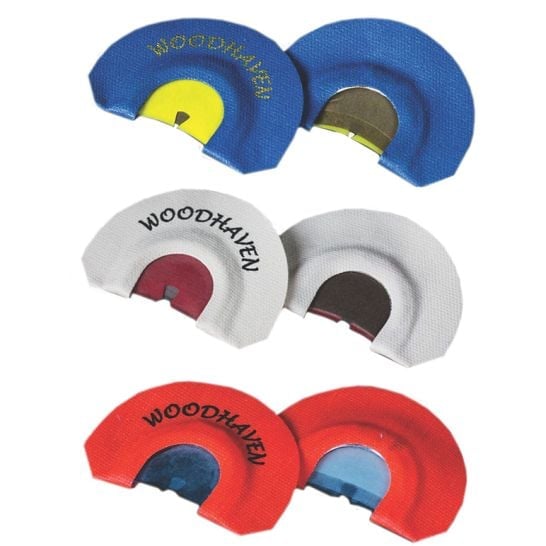
Mouth Calls – Also known as diaphragm calls, these are placed inside the mouth and operated by blowing air across a latex reed. Popular for turkey and elk hunting due to their versatility and hands-free operation.
-
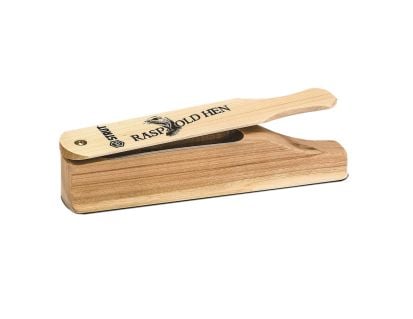
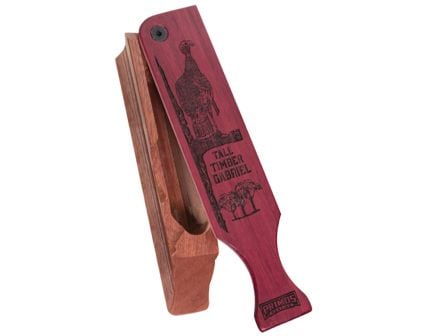
Box Calls – Commonly used for turkey hunting, box calls consist of a wooden box and a paddle that, when scraped together, produce realistic turkey sounds. Known for their volume and ease of use, they are ideal for beginners and seasoned hunters alike.
-
Slate and Pot Calls – These use a striker and a surface (often slate, glass, or aluminum) to create a variety of sounds. Popular for turkey hunting and allow for a wide range of tones and pitches.
-
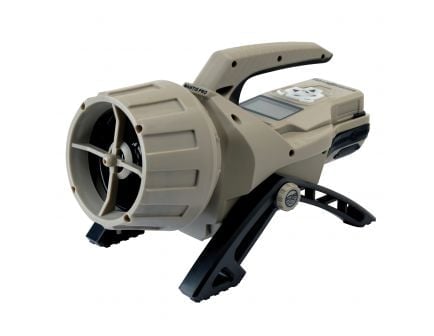
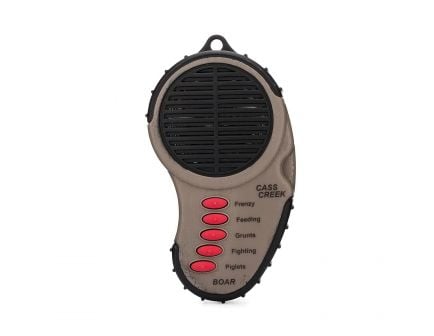
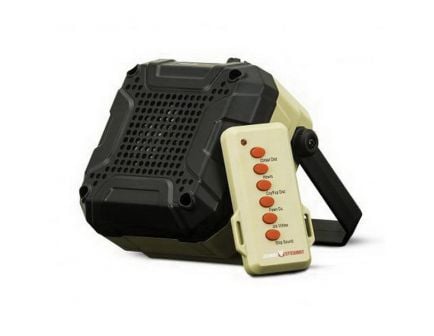
Electronic Calls – Electronic devices use digital recordings of animal sounds and can be operated remotely. Especially popular for predator hunting, as they can produce a wide variety of calls and keep the hunter’s scent and movement away from the target area.
-
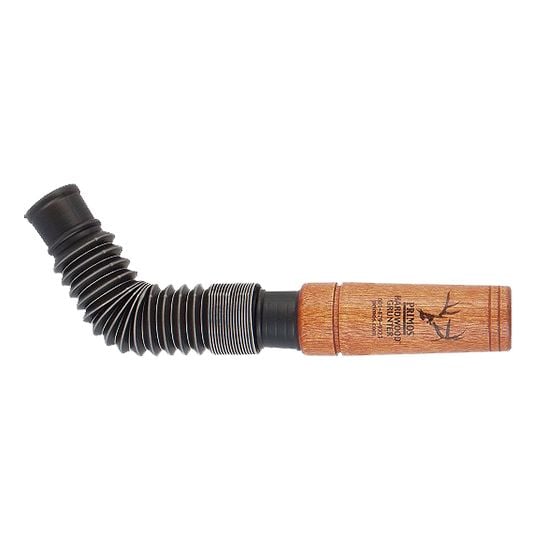
Grunt and Bleat Calls – Grunt calls are designed for deer hunting, mimicking the grunts made by bucks or does. Bleat calls imitate the sound of a doe or fawn, which can attract deer during specific seasons.
-
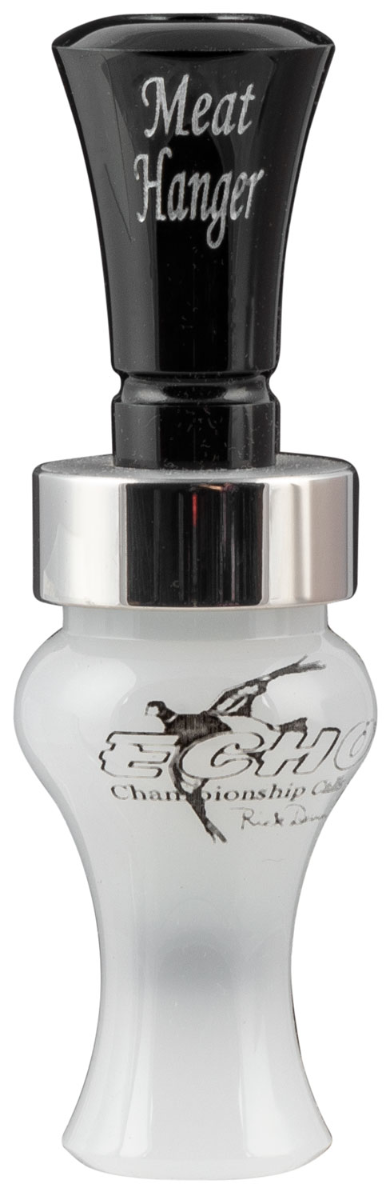
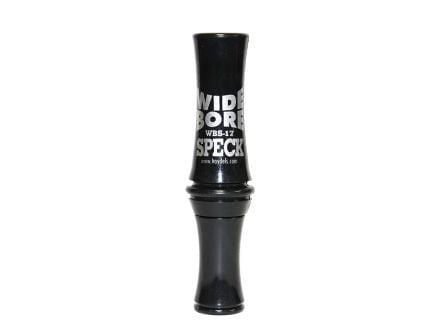
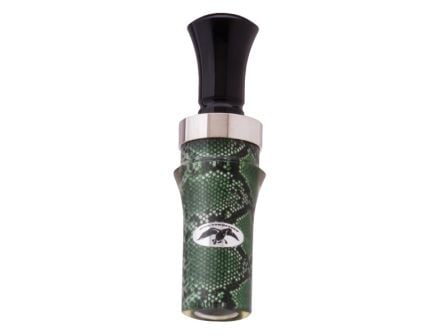
Duck and Goose Calls – Waterfowl calls are crafted to replicate the quacks, honks, and feeding sounds of ducks and geese. Essential for attracting flocks during migration and hunting seasons.
How to Choose the Right Call
Selecting the right call depends on several factors, including the species you’re targeting, your hunting environment, and your level of experience. Here are some tips to help you make the best choice:
- Target Species: Choose a call specifically designed for the animal you intend to hunt. For example, use a grunt call for deer or a slate call for turkey.
- Ease of Use: Beginners may prefer box or push-button calls, which are straightforward and easy to master. Experienced hunters might opt for diaphragm or mouth calls for greater versatility.
- Volume and Range: Consider the size of your hunting area. Larger areas may require louder calls, such as box or electronic calls, to reach distant animals.
- Durability: Look for products made from high-quality materials that can withstand outdoor conditions, including moisture and temperature changes.
- Portability: Lightweight and compact options are easier to carry in the field, especially if you need to move frequently.
Tips for Using Calls Effectively
Mastering the use of these tools takes practice and patience. Here are some tips to help you get the most out of your calls:
- Practice Regularly: Spend time practicing before heading into the field. Listen to recordings of real animal sounds and try to mimic them as closely as possible.
- Match the Season: Use calls that correspond to the animal’s behavior during different times of the year, such as mating or feeding calls.
- Vary Your Calling: Avoid repetitive patterns that may alert animals to your presence. Mix up the volume, pitch, and rhythm of your calls.
- Stay Concealed: Even the most realistic sound won’t work if animals spot you. Use natural cover and minimize movement while calling.
- Be Patient: Sometimes it takes time for animals to respond. Call sparingly and wait quietly between sequences.
Benefits of Using Calls
Incorporating calls into your hunting strategy offers several advantages:
- Increased Success Rates: Attracting animals with realistic sounds can bring them closer, improving your chances of a successful shot.
- Versatility: Calls can be used in a variety of environments, from dense forests to open fields and wetlands.
- Enhanced Experience: Using calls adds an interactive element to hunting, making the experience more engaging and rewarding.
- Learning Opportunity: Mastering different calls helps hunters better understand animal behavior and communication.
Popular Brands and Features to Look For
When shopping for calls, consider reputable brands known for quality and innovation. Look for features such as:
- Adjustable Tones: Some allow you to modify pitch and volume for greater realism.
- Weather Resistance: Durable construction ensures reliable performance in all conditions.
- Ease of Cleaning: Products that are easy to disassemble and clean will last longer and perform better.
- Instructional Resources: Many brands offer instructional videos or guides to help you get started.
Conclusion
Game calls are essential tools for hunters seeking to attract and harvest game more effectively. With a wide variety of options available—from mouth and box calls to electronic devices—there’s a solution suited for every hunter and every situation.
By choosing the right call, practicing your technique, and understanding animal behavior, you can enhance your hunting experience and increase your chances of success.
Explore Palmetto State Armory’s selection of high-quality game calls to find the perfect addition to your hunting gear.