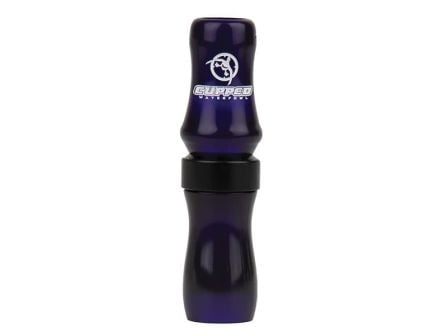
Waterfowl Calls: Frequently Asked Questions
Waterfowl calls are essential tools for hunters looking to attract ducks, geese, and other water-based species.
Whether you’re a seasoned hunter or just starting out, understanding the different types and how to use them can make a significant difference in your hunting success.
Below, we answer some of the most common questions to help you make informed decisions and improve your hunting experience.
What Are Waterfowl Calls and How Do They Work?
These specialized devices are designed to mimic the sounds made by ducks, geese, and other birds. Hunters use them to attract birds by replicating natural vocalizations.
These calls work by manipulating airflow and vibration through reeds or other mechanisms inside the call, producing realistic sounds that can lure birds into shooting range.
What Types Are Available?
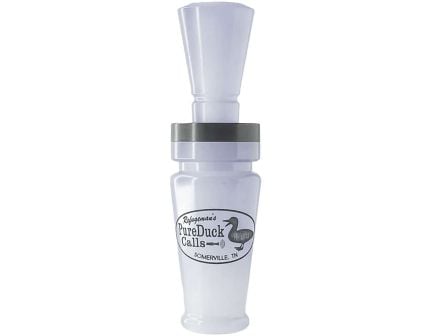
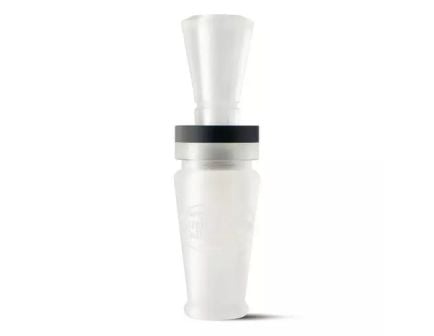
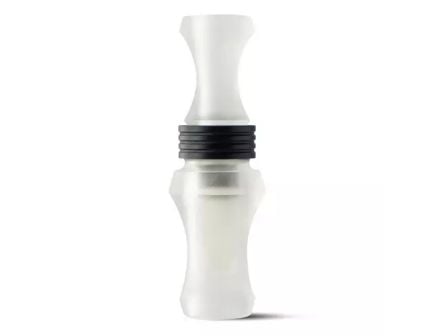
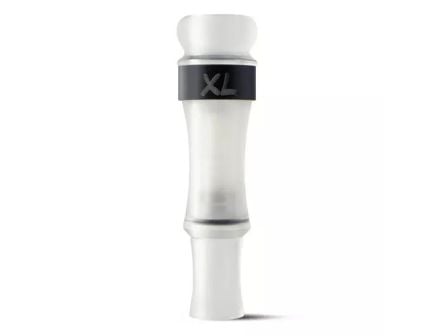
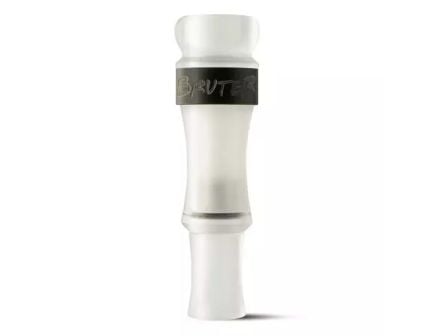
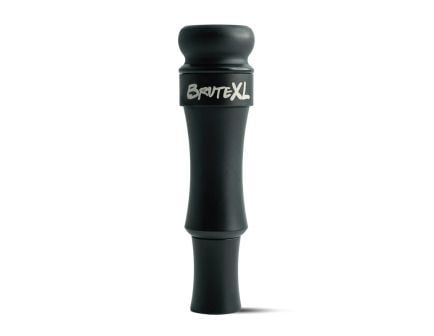
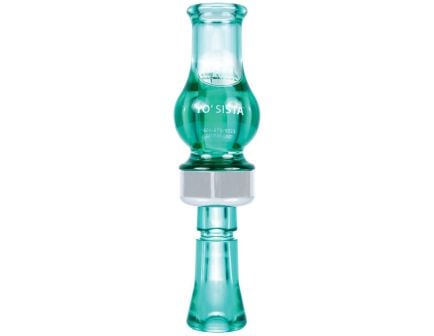
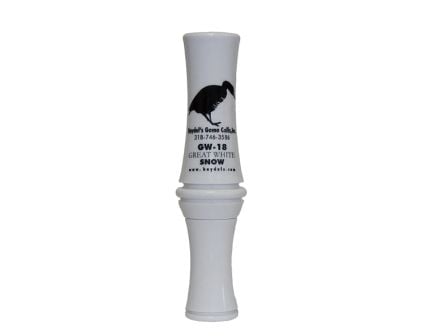
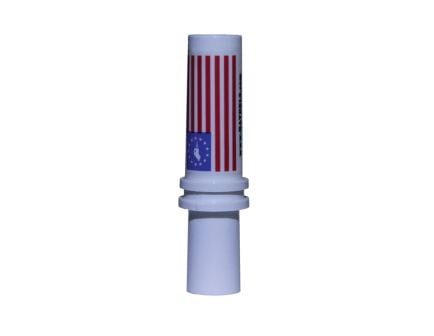
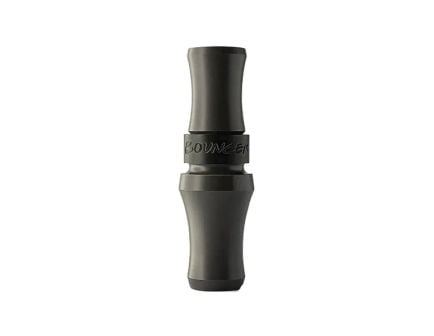
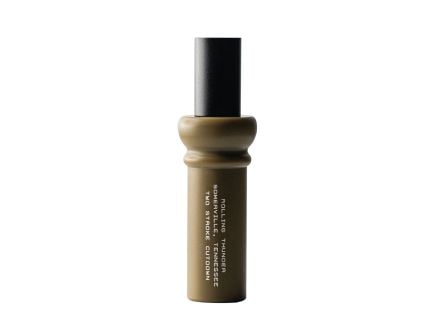
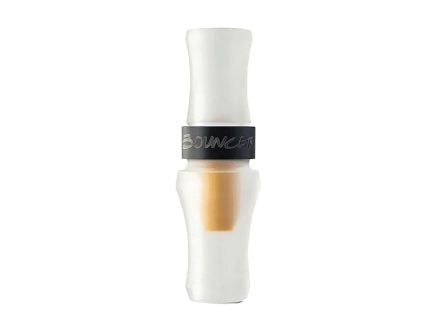
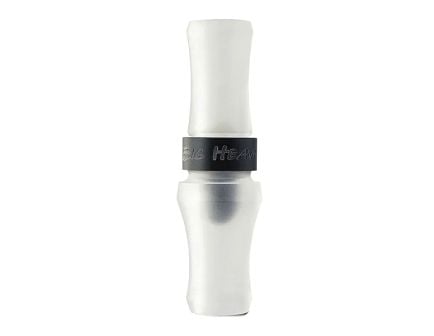
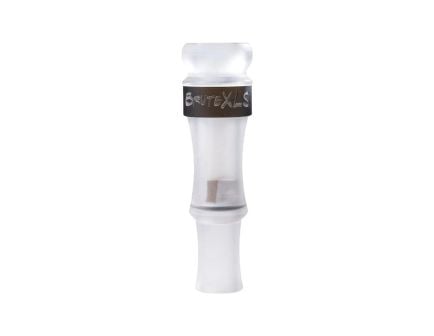
- Duck Calls: Used to imitate the quacks, feeding, and greeting sounds of various duck species.
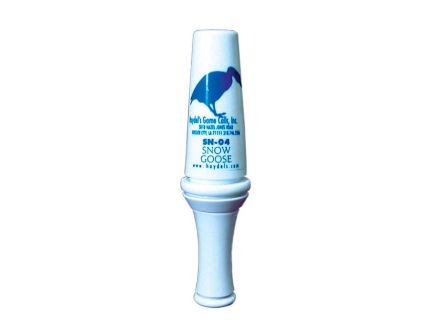
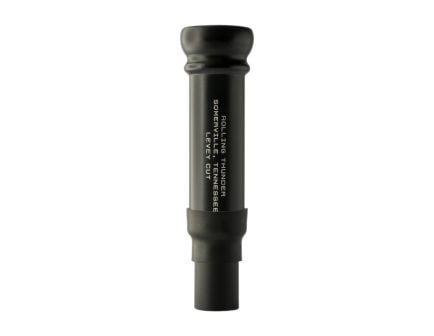
- Goose Calls: Replicate the honks, clucks, and moans of geese; typically larger and require different blowing techniques.
- Whistle Calls: Used for species like teal, pintail, and wigeon, producing high-pitched sounds distinct from traditional calls.
- Electronic Calls: Some hunters use electronic devices that play pre-recorded sounds, though these are subject to specific regulations in many areas.
How Do I Choose the Right Call for My Needs?
- Target Species: Choose a model designed for the specific type of bird you plan to hunt.
- Material: Options include wood, acrylic, or polycarbonate. Wood offers a softer, more natural sound, while acrylic is louder and carries farther. Polycarbonate is durable and affordable, making it a good choice for beginners.
- Single vs. Double Reed: Single reed models offer more versatility and range but require more skill. Double reed versions are easier to use and produce a raspy, realistic sound, making them ideal for beginners.
- Weather Conditions: Consider how the device performs in wet or cold conditions, as some materials and designs are more resistant to the elements.
What Are the Benefits of Using These Devices?
- Increased Attraction: They can draw birds closer, increasing your chances of a successful hunt.
- Versatility: Different types allow you to adapt to changing conditions and bird behavior.
- Realism: High-quality models produce authentic sounds that can fool even wary birds.
- Control: They give you the ability to communicate with birds, adjust your strategy, and respond to their reactions in real time.
How Do I Properly Use a Call?
- Learn the Basics: Start with simple quacks or honks before moving on to more complex sounds.
- Practice Regularly: Use your device at home or in the field to develop muscle memory and control.
- Listen to Real Birds: Study recordings or observe live birds to understand their vocalizations and timing.
- Vary Your Calling: Mix up your sounds to mimic natural bird behavior and avoid sounding repetitive.
- Use Proper Technique: Hold the device correctly, control your breath, and adjust your hand position to change the tone and volume.
What Maintenance Is Required?
- Clean Regularly: Disassemble and clean with warm water to remove dirt, debris, and moisture.
- Inspect Reeds: Check for wear or damage and replace as needed to maintain sound quality.
- Store Properly: Keep your equipment in a dry, cool place when not in use to prevent warping or cracking.
- Avoid Excessive Moisture: While some are designed to handle wet conditions, it’s best to dry them thoroughly after each use.
Can Beginners Use These Effectively?
No doubt, many models are designed with beginners in mind. Double reed duck calls and certain goose calls are particularly user-friendly and require less technique to produce realistic sounds.
With a bit of practice and guidance, even novice hunters can quickly learn to use them effectively and enhance their hunting experience.
What Accessories Complement Calls?
- Lanyards: Keep your calls organized and easily accessible around your neck.
- Call Cases: Protect your gear from damage during transport and storage.
- Tuning Kits: Adjust and maintain your calls for optimal performance.
- Instructional Materials: DVDs, books, and online tutorials can help you improve your skills.
How Do I Know If My Call Is Working?
The best way to gauge effectiveness is by observing bird reactions in the field. If birds respond by turning, circling, or approaching your location, your call is likely working well.
If you’re not seeing results, try adjusting your technique, volume, or cadence to better match the birds’ behavior.
Conclusion
Waterfowl calls are invaluable tools for hunters seeking to attract ducks, geese, and other species.
By understanding the different types, how to use them, and how to maintain them, you can significantly improve your hunting success. Whether you’re a beginner or an experienced hunter, investing time in learning and practicing will pay off in the field.
Explore our wide selection at Palmetto State Armory and find the perfect call to elevate your next hunting adventure.