Predator Calls: Frequently Asked Questions
What Are Predator Calls and How Do They Work?
Predator calls are specialized devices or tools designed to mimic the sounds of prey animals or other predators. These tools are used by hunters to attract animals such as coyotes, foxes, bobcats, and more.
By replicating distress calls, mating calls, or territorial sounds, these devices trigger the natural instincts of predators, drawing them into shooting range or observation distance.
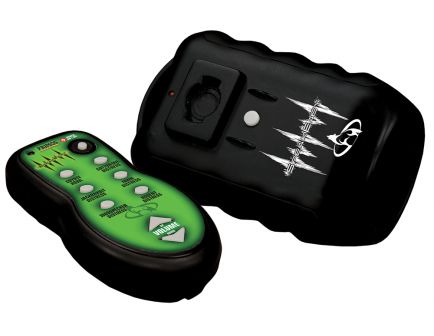
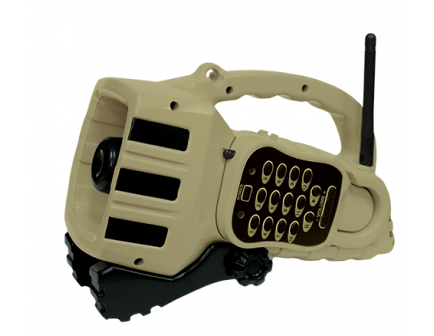
There are two main types: manual (mouth-blown) and electronic. Manual versions require the user to blow air through the device and manipulate it to produce realistic sounds. Electronic models use pre-recorded sounds and are operated with the push of a button, often offering a wider variety of calls and increased volume.
What Types Are Available?
These hunting tools come in several varieties, each suited for different situations and target species:
- Distress Calls: Mimic the sounds of injured or distressed prey animals such as rabbits, rodents, or birds. These are highly effective for attracting predators looking for an easy meal.
- Howlers: Designed to imitate the vocalizations of coyotes or other predators. These can be used to challenge territorial animals or locate packs.
- Pup Distress Calls: Simulate the cries of young predators in distress, which can provoke a strong response from adult animals.
- Electronic Devices: Offer a wide range of pre-recorded sounds, including multiple prey and predator vocalizations, and often feature remote controls for convenience.
Each type has its own advantages, and many hunters carry a combination to adapt to changing conditions in the field.
How Do I Choose the Right One for My Needs?
Selecting the right tool depends on several factors, including your target species, hunting environment, and personal preferences.
Here are some tips to help you choose:
- Target Species: Identify which predators are common in your area. For example, coyote howlers are ideal for coyote hunting, while rabbit distress calls work well for foxes and bobcats.
- Hunting Environment: Open fields may require louder calls or electronic devices with remote speakers, while dense woods might benefit from softer, more subtle manual calls.
- Skill Level: Beginners may find electronic options easier to use, as they require less practice to produce realistic sounds. Experienced hunters often enjoy the challenge and versatility of mouth-blown calls.
- Portability: Consider the size and weight, especially if you plan to cover a lot of ground during your hunt.
What Are the Benefits of Using Electronic Devices?
Electronic models have become increasingly popular due to their versatility and ease of use.
Some of the key benefits include:
- Variety of Sounds: These devices can store dozens of different animal sounds, allowing hunters to quickly switch between calls as needed.
- Remote Operation: Many come with remote controls, enabling hunters to place the device away from their position and operate it from a distance. This helps to divert the predator’s attention away from the hunter.
- Consistent Sound Quality: Electronic options produce consistent, high-quality sounds that can be difficult to replicate with manual calls, especially for beginners.
- Volume Control: Adjustable volume settings allow hunters to tailor the sound to their environment, whether they need to reach distant predators or avoid startling nearby animals.
How Can I Use These Tools Effectively?
To maximize your success, consider the following tips:
- Scout Your Area: Learn about the local predator population and their habits. Look for tracks, scat, and other signs to identify active areas.
- Set Up Wisely: Position yourself downwind from where you expect predators to approach. Use natural cover to conceal your presence.
- Start Soft: Begin with low-volume sounds to avoid spooking nearby animals. Gradually increase the volume if there’s no response.
- Mix Up Your Calls: Alternate between different distress sounds and howls to keep predators interested and guessing.
- Be Patient: Predators may take time to respond. Remain still and alert, as they often approach cautiously.
- Limit Movement: Excessive movement can alert animals to your presence. Use a shooting stick or bipod to stay steady.
What Accessories Can Enhance My Experience?
Several accessories can help improve your hunting success:
- Decoys: Visual decoys, such as moving prey replicas, can add realism and draw predators closer.
- Camouflage: Proper camo clothing and face masks help you blend into your surroundings.
- Shooting Rests: Bipods, tripods, or shooting sticks provide stability for accurate shots.
- Rangefinders: Useful for estimating distances and making precise shots.
- Batteries and Memory Cards: For electronic devices, always carry spare batteries and memory cards to ensure your equipment is ready when you need it.
How Should I Maintain and Store My Equipment?
Proper care and storage will extend the life of your hunting tools:
- Manual Calls: Clean mouthpieces regularly to prevent buildup and maintain sound quality. Store in a dry, cool place.
- Electronic Devices: Remove batteries when not in use for extended periods. Keep the device clean and dry, and store it in a protective case.
- Check for Damage: Inspect your equipment before each hunt to ensure it is in good working condition.
Why Shop at Palmetto State Armory?
Palmetto State Armory offers a wide selection of predator calling equipment from trusted brands, ensuring you have access to the latest technology and proven designs.
Whether you’re a seasoned hunter or just starting out, you’ll find the right gear to suit your needs. Our knowledgeable staff is always available to answer your questions and help you make the best choice for your next hunt.
Explore our full range of predator calls and gear up for your next successful hunt with Palmetto State Armory!