Hunting Decoys FAQ
What Are Hunting Decoys and How Do They Work?
Decoys are lifelike replicas of animals, such as ducks, geese, turkeys, or deer, designed to attract game within shooting range.
These models are crafted to mimic the appearance, posture, and sometimes even the movement of real animals. By strategically placing them in the field, hunters can create the illusion of a safe and active area, encouraging wild game to approach.
Decoys work by appealing to the instincts of the target species. For example, waterfowl models simulate a flock feeding or resting on the water, signaling safety and abundance to passing birds. Turkey replicas can imitate hens or rival toms, triggering curiosity or territorial responses.
The effectiveness of these tools relies on their realism, placement, and the hunter’s understanding of animal behavior.
Types of Decoys
There are several types, each tailored to specific game and hunting scenarios:
-
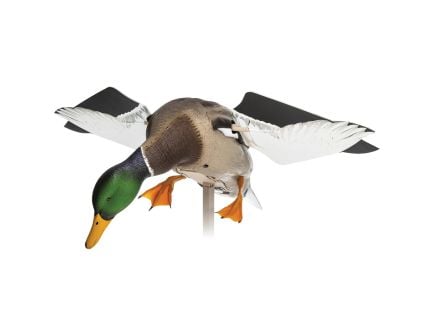
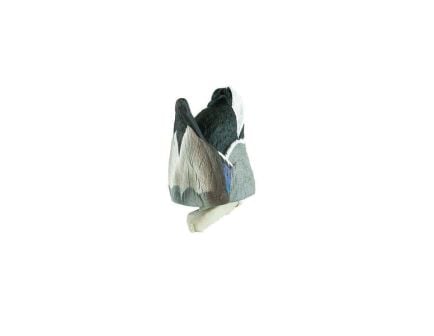
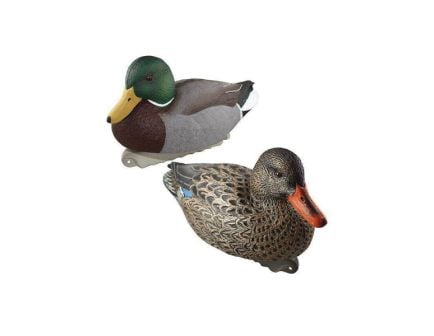
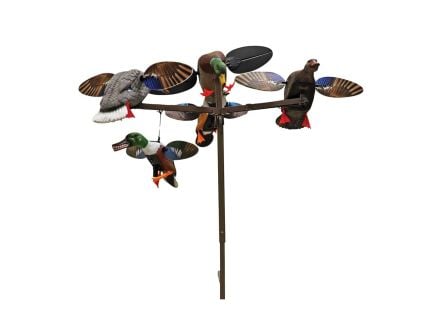
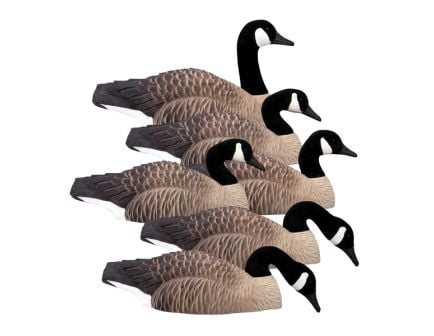
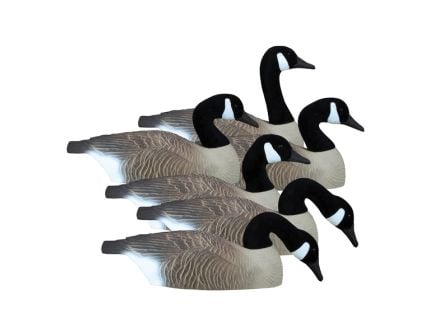
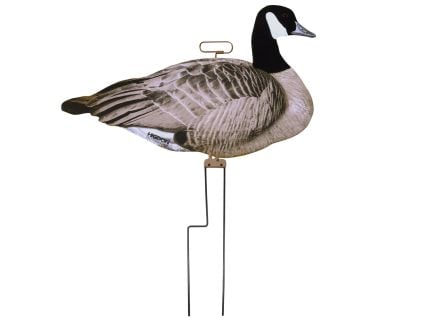
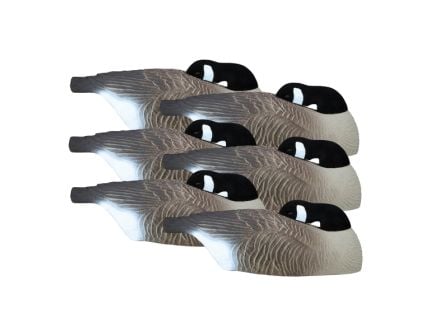
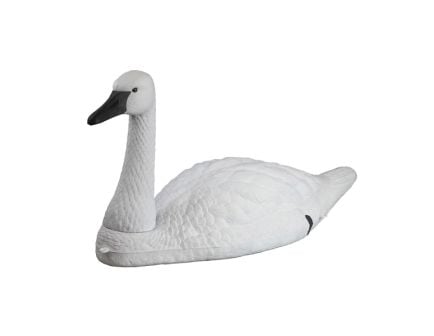
Waterfowl Decoys – Waterfowl models are among the most popular and come in various forms, including floating, full-body, and shell versions. Floating types are ideal for ponds, lakes, and marshes, while full-body and shell options are used on land or ice. Some advanced models feature motion mechanisms, such as spinning wings or swimming actions, to enhance realism and attract more birds.
-
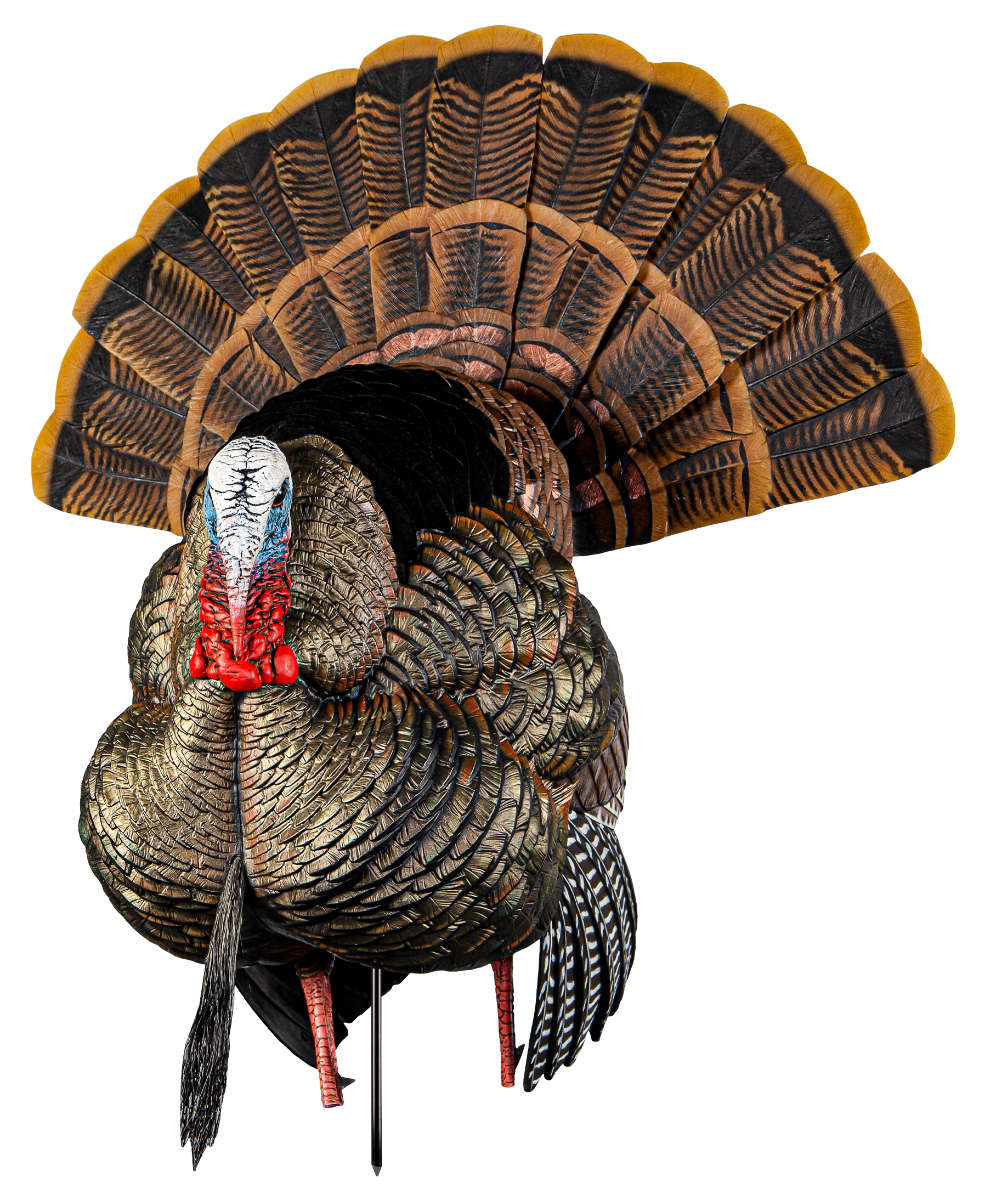
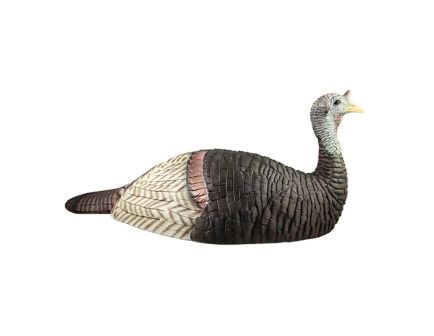
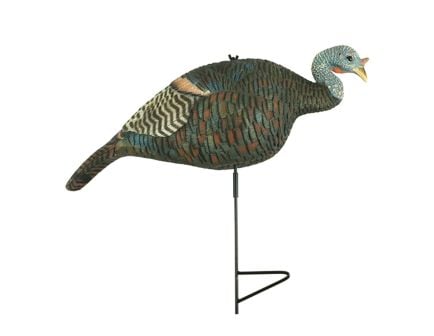
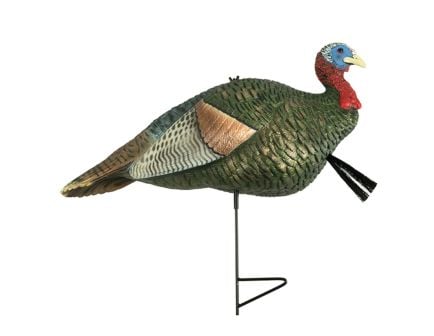
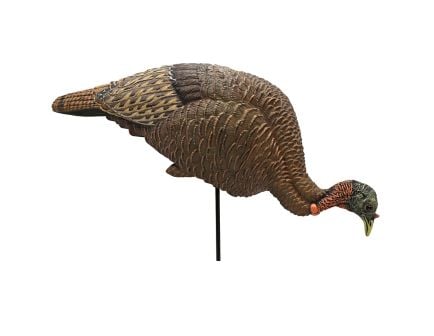
Turkey Decoys – Turkey replicas are designed to replicate hens, jakes, or toms. Hunters use different combinations depending on the season and the behavior they want to trigger. For example, a hen model can lure in gobblers during the spring, while a jake version may provoke dominant toms to approach.
-
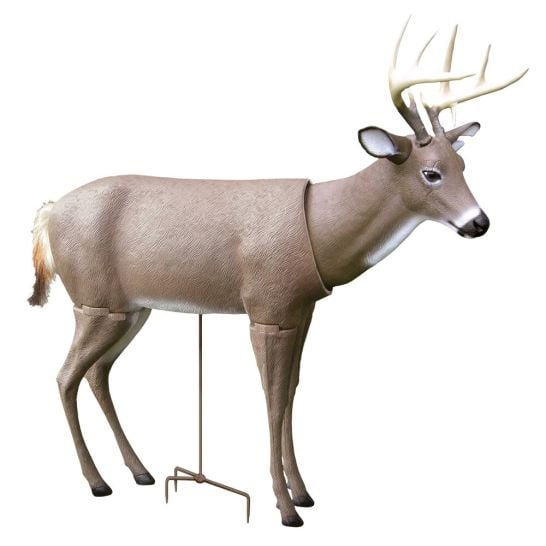
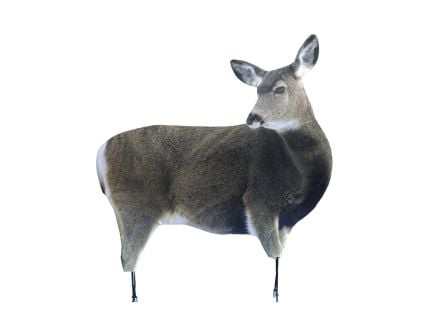
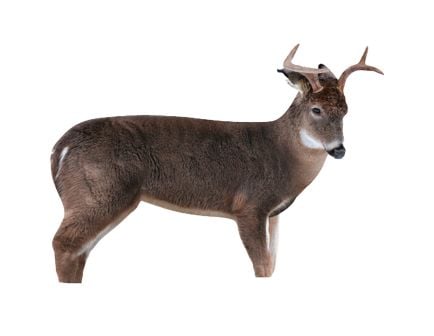
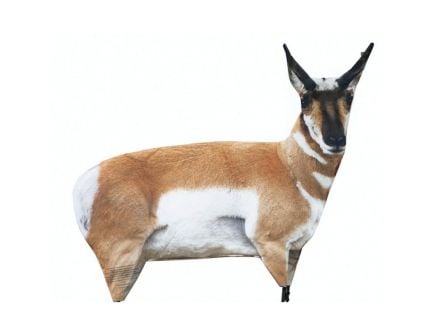
Deer Decoys – Deer models are often used during the rut to attract bucks. These can be full-body or partial, and some feature movable parts like tails or heads. Placing a doe replica in a visible area can entice bucks to investigate, providing hunters with a clear shot opportunity.
-
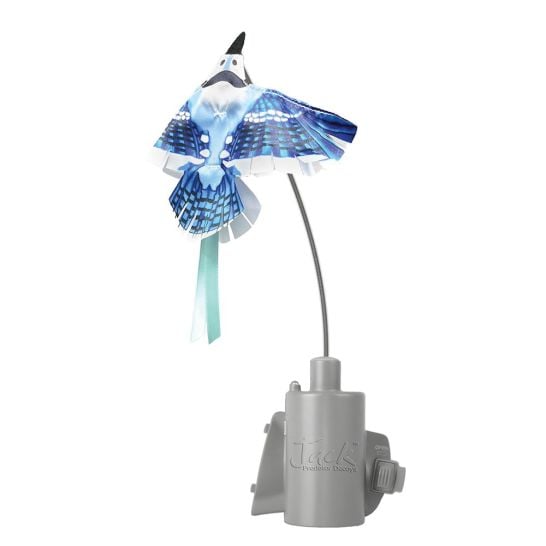
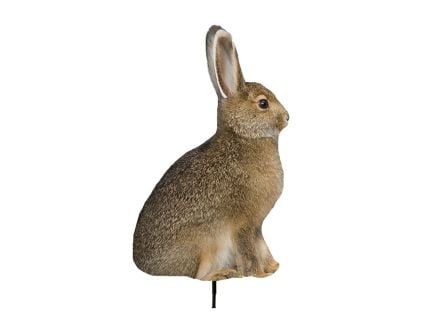
Predator Decoys – Predator models, such as those mimicking rabbits or rodents, are used to attract coyotes, foxes, and other predators. These often incorporate movement to simulate injured prey, making them irresistible to curious predators.
How to Choose the Right Decoy
Selecting the right option depends on several factors, including the target species, hunting environment, and personal preferences.
Here are some key considerations:
- Realism: Look for models with lifelike paint schemes, accurate postures, and realistic movement. The more convincing the decoy, the more likely it is to fool wary game.
- Durability: Choose options made from high-quality materials that can withstand harsh weather and repeated use.
- Portability: Lightweight and collapsible versions are easier to transport, especially for hunters who cover a lot of ground.
- Ease of Setup: Quick and simple setup allows hunters to spend more time hunting and less time preparing their spread.
- Quantity: Sometimes, a larger spread is more effective, especially for waterfowl. Consider how many you can comfortably carry and deploy.
Tips for Setting Up Decoys
Proper placement is crucial for success.
Here are some tips to maximize effectiveness:
- Mimic Natural Behavior: Observe how real animals group and position your models accordingly. For example, waterfowl often land into the wind, so set your spread to create a landing zone.
- Use Motion: Adding movement, whether through wind-powered or battery-operated options, can make your setup more convincing.
- Vary Positions: Mix up the postures and orientations to avoid a uniform, unnatural look.
- Consider Visibility: Place models where they are easily seen by approaching game, such as open fields or clearings.
- Adjust for Conditions: Change your setup based on weather, time of day, and animal behavior for optimal results.
Benefits of Using Decoys
These tools offer several advantages for hunters of all experience levels:
- Increased Success Rates: They can draw game closer, providing better shot opportunities.
- Versatility: With a variety available, hunters can target multiple species throughout the year.
- Enhanced Realism: Modern versions are highly detailed, making them effective even against wary or pressured animals.
- Learning Tool: Using decoys helps hunters observe animal reactions and improve their understanding of wildlife behavior.
Caring for Your Decoys
Proper maintenance ensures your models remain effective season after season.
Here are some care tips:
- Clean Regularly: Remove mud, debris, and water stains after each hunt to maintain appearance.
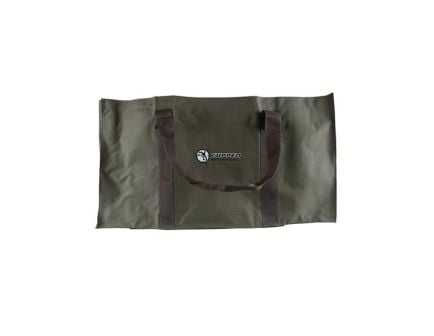
- Store Properly: Keep them in a cool, dry place and use bags to prevent damage during transport.
- Inspect for Damage: Check for cracks, fading, or broken parts and repair or replace as needed.
- Touch Up Paint: Use safe paint to restore any worn or chipped areas, keeping your models looking lifelike.
Frequently Asked Questions
Q: How many should I use for waterfowl hunting?
A: The ideal number depends on the species and hunting location. For ducks, a spread of 12-36 is common, while goose hunters may use larger spreads. Experiment to find what works best in your area.
Q: Can I mix different types in one spread?
A: Yes, mixing species can add realism, especially if those species naturally congregate. For example, adding a few goose models to a duck spread can make it more attractive.
Q: Do motion models truly make a difference?
A: Motion options can be highly effective, especially on calm days when natural movement is limited. They help catch the attention of distant game and add realism to your setup.
Q: How do I keep my models from shining or reflecting sunlight?
A: Use matte-finished versions and avoid placing them in direct sunlight. Regular cleaning and touch-ups can also reduce unwanted shine.
Shop Quality Decoys at Palmetto State Armory
Whether you’re a seasoned hunter or just starting out, Palmetto State Armory offers a wide selection to suit every need.
Browse our collection to find realistic, durable, and effective options for waterfowl, turkey, deer, and predator hunting. Equip yourself with the right gear and elevate your hunting experience today!