
VA & RI Residents: upcoming state regulations will impact certain firearm purchases in your state. Click here to view deadlines and learn more.
Food Plot & Feeding
Improve your hunting success and support wildlife with our high‑quality food plot and feeding supplies. Whether you’re planting a new food plot or maintaining an existing one, we offer deer feeders and nutritional supplements you need to attract and sustain healthy deer, turkey, and other game. Our offerings are designed to promote strong growth and year‑round wildlife health. Shop our selection today for trusted brands, competitive pricing, and expert support to help you get the most out of your hunting season.

Food Plots & Feeding: Frequently Asked Questions
Establishing wildlife-friendly plantings and providing supplemental nutrition are essential strategies for hunters and land managers looking to attract, nourish, and sustain healthy animal populations.
Whether you’re managing land for deer, turkey, or other game species, understanding the basics of these practices can make a significant difference in your success.
Below, we answer some of the most common questions to help you get the most out of your land management efforts.
What Are Food Plots and Why Are They Important?
Wildlife plots are intentionally planted areas designed to provide extra nutrition for animals, particularly game like deer and turkey.
These areas are typically seeded with crops such as clover, alfalfa, brassicas, or cereal grains that offer high nutritional value.
Such plantings serve several purposes:
- Attracting Wildlife: Well-maintained plots draw animals to specific areas, making them easier to observe and hunt.
- Improving Nutrition: Extra forage helps wildlife maintain optimal health, especially during periods when natural food sources are scarce.
- Supporting Population Growth: By providing consistent nutrition, these plantings can help increase the carrying capacity of your land, supporting larger and healthier wildlife populations.
What Types of Food Plots Are There?
Wildlife plantings generally fall into two categories: hunting plots and nutrition plots.
- Hunting Plots: These are smaller areas (typically 0.25 to 1 acre) strategically placed near hunting stands or blinds. They are designed to attract game during hunting season.
- Nutrition Plots: Larger plots (1 acre or more) are planted to provide year-round nutrition. These are often located in less disturbed areas and are not necessarily intended for hunting.
Both types can be planted with a variety of crops, depending on your goals and the wildlife species you wish to attract.
What Are the Best Crops for Wildlife Plots?
The best crops depend on your region, soil type, and target species.
Some popular choices include:
- Clover: A perennial favorite, clover is high in protein and attracts deer and turkey.
- Brassicas: This group includes turnips, radishes, and rape, which are excellent for late-season nutrition.
- Cereal Grains: Oats, wheat, and rye are easy to grow and provide quick forage.
- Alfalfa: Another high-protein option, alfalfa is ideal for supporting antler growth and lactating does.
- Soybeans and Corn: These annuals are excellent for attracting deer, especially in the summer and fall.
Mixing several types of crops can provide a diverse and reliable food source throughout the year.
How Do I Prepare the Soil for a Wildlife Plot?
Proper soil preparation is crucial for a successful planting.
Here are the basic steps:
- Site Selection: Choose an area with good sunlight and drainage.
- Soil Testing: Conduct a soil test to determine pH and nutrient levels. Most crops thrive in soil with a pH between 6.0 and 7.0.
- Clearing and Tilling: Remove weeds and debris, then till the soil to create a good seedbed.
- Fertilization and Liming: Based on your soil test, add lime to adjust pH and apply fertilizer to provide essential nutrients.
- Seeding: Plant your chosen crops at the recommended depth and rate.
Following these steps will help ensure your plot gets off to a strong start.
What Is Supplemental Feeding and How Does It Differ from Food Plots?
Supplemental nutrition involves providing additional food sources, such as pellets, corn, or protein blocks, to wildlife.
Unlike planted plots, which rely on crops, this method uses manufactured or natural feed to support animal health.
- Purpose: Supplemental nutrition is often used during periods of food scarcity, such as winter or drought, to help wildlife maintain body condition.
- Methods: Feed can be distributed using gravity feeders, troughs, or broadcast on the ground.
- Benefits: This approach can help support antler growth, fawn survival, and overall herd health.
It’s important to use high-quality feed and maintain clean feeding areas to prevent disease and over-concentration of animals.
How Can I Maximize the Effectiveness of My Wildlife Plots and Nutrition Program?
To get the most out of your efforts, consider these tips:
- Rotate Crops: Changing crops each year helps prevent soil depletion and reduces pest problems.
- Maintain Plots: Regular mowing, fertilizing, and weed control keep plantings productive.
- Monitor Wildlife: Use trail cameras to track usage and adjust your strategy as needed.
- Provide Water: Access to clean water is just as important as food for attracting and sustaining wildlife.
- Combine Strategies: Use both plantings and supplemental nutrition for a comprehensive approach to wildlife management.
What Equipment Do I Need for Wildlife Plots and Feeding?
While large-scale operations may require tractors and implements, many plantings can be established with basic equipment:
- ATVs or UTVs: Useful for hauling seed, fertilizer, and feed.
- Hand Spreaders: For evenly distributing seed and fertilizer.
- Tillers or Discs: To prepare the seedbed.
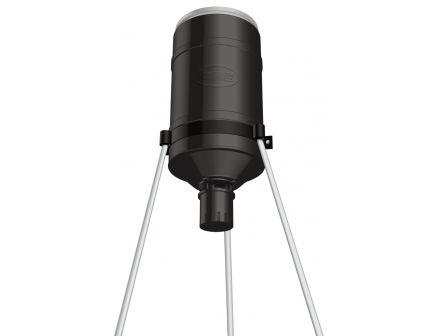
- Feeders: Gravity or timed feeders for supplemental nutrition.
Investing in the right tools can make the process more efficient and effective.
How Do Wildlife Plots and Supplemental Nutrition Benefit Wildlife Beyond Hunting?
These practices provide year-round benefits for wildlife, not just during hunting season.
They help by:
- Support Breeding: Improved nutrition leads to higher fawn and poult survival rates.
- Enhance Antler Growth: Bucks with access to quality forage grow larger antlers.
- Boost Immune Systems: Well-fed animals are more resistant to disease and harsh weather.
- Increase Biodiversity: Planted areas attract a variety of species, from songbirds to pollinators.
By investing in these strategies, you’re contributing to the overall health and sustainability of your local ecosystem.
Conclusion
Wildlife plantings and supplemental nutrition are powerful tools for anyone looking to attract, nourish, and sustain healthy animal populations.
By understanding the basics of site selection, crop choice, soil preparation, and feeding strategies, you can create a thriving habitat that benefits both game animals and the broader ecosystem.
Whether you’re a seasoned land manager or just getting started, a well-planned program can make a lasting impact on your land and your hunting success.