
-
Regular Price $246.99 Special Price $223.99
-
Regular Price $151.99 Special Price $137.99
-
Regular Price $125.99 Special Price $112.99
-
Regular Price $103.99 Special Price $92.99
-
Regular Price $1,629.99 Special Price $1,467.99
-
Regular Price $778.99 Special Price $700.99
-
Out of Stock
-
Out of Stock
-
Out of Stock
-
Out of Stock
-
Out of Stock
-
Out of Stock
-
Out of Stock
-
Out of Stock
-
Out of Stock
-
Out of Stock
-
Out of Stock
-
Out of Stock
-
Out of Stock
-
Out of Stock
Rangefinders
Enhance your accuracy with precision-engineered rangefinders designed for hunters, shooters, and outdoor enthusiasts. From compact laser models to advanced ballistic rangefinders, our collection delivers fast, reliable distance readings in any environment. Find top brands built for clarity, durability, and pinpoint performance in the field or on the range.


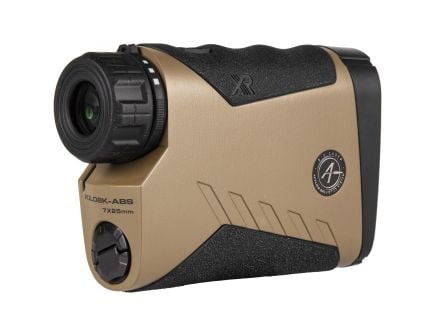
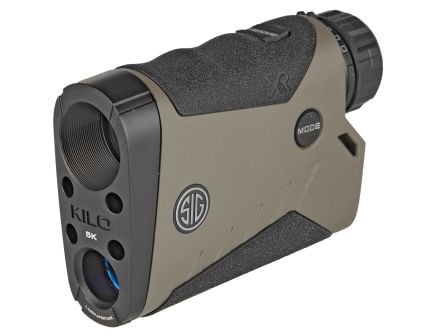


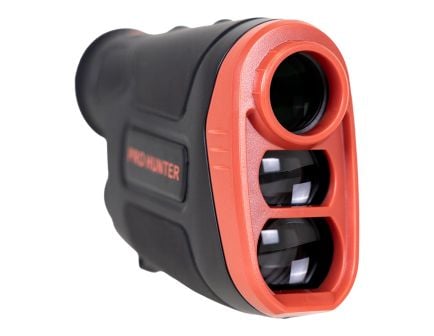


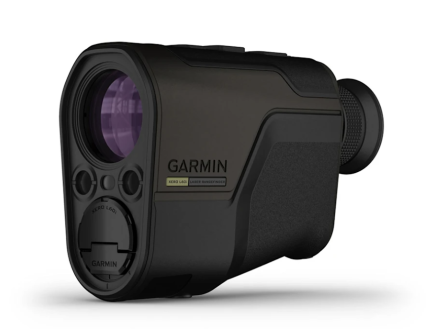


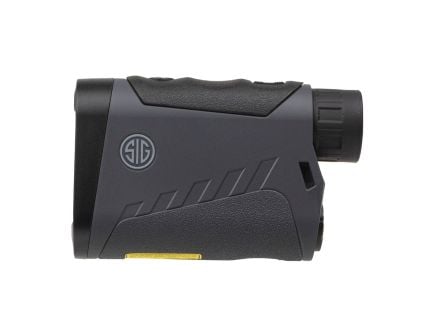

Rangefinder FAQ
What is a Rangefinder?
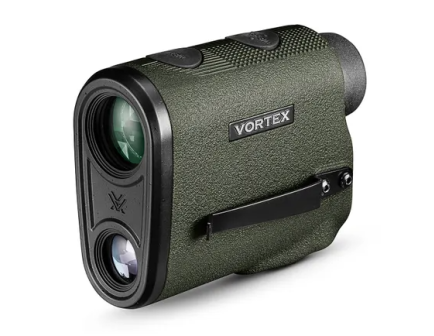
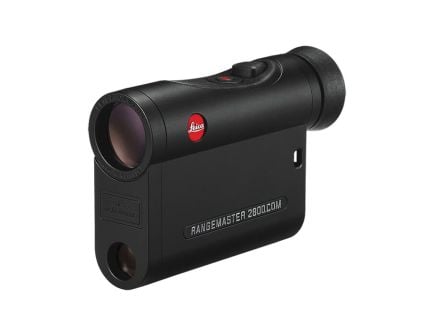
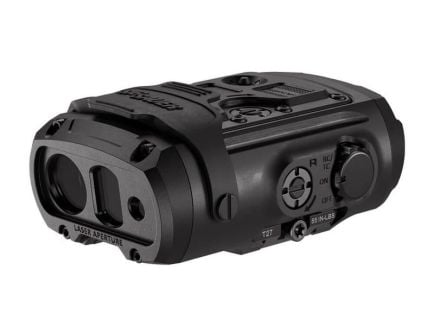
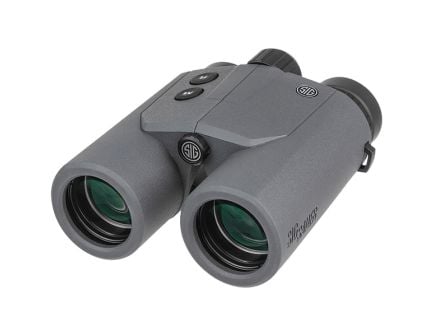
A rangefinder is a precision optical device designed to measure the distance from the user to a specific target. Most modern models use laser technology to calculate this distance quickly and accurately.
When you aim the device at your target and turn it on, it sends out a laser beam. This beam hits the target and comes back to the sensor. The unit measures how long the laser took to return. It then shows the exact distance, usually in yards or meters.
These devices are important tools for hunters, shooters, golfers, and outdoor lovers. They help users know exact distances for better accuracy and performance. Some advanced models have extra features like angle compensation, ballistic data, and target priority modes. These features make them even more useful in the field.
Key Features to Look for
When shopping for a distance-measuring device, several features can make a significant difference in performance and usability:
- Maximum Range: This indicates the farthest distance the unit can accurately measure. For hunting and shooting, a range of 600 to 1,200 yards is common, while some high-end models can reach even farther.
- Magnification: Most options offer optical magnification, typically between 4x and 7x, allowing you to see distant targets more clearly.
- Angle Compensation: This feature calculates the true horizontal distance to a target when shooting at an incline or decline, which is especially useful for bowhunters and long-range shooters.
- Speed and Accuracy: Look for a device that provides quick readings and high accuracy, often within a margin of one yard or less.
- Display Type: Some use LED displays, while others use LCD. Consider which is easier to read in your typical lighting conditions.
- Durability: Weather-resistant or waterproof construction ensures your equipment can withstand tough outdoor conditions.
- Size and Weight: Compact and lightweight models are easier to carry and handle, especially during long days in the field.
Benefits for Hunting and Shooting
Using a distance-measuring tool offers several advantages for hunters and shooters:
- Improved Accuracy: Knowing the exact distance to your target allows you to make precise adjustments to your aim, whether you’re using a rifle, bow, or shotgun.
- Faster Target Acquisition: Finding the range quickly helps you make faster decisions in the field. This is important when game animals are moving.
- Confidence in Every Shot: With reliable distance data, you can shoot with greater confidence, reducing the chances of missed shots or wounded game.
- Versatility: Many models are suitable for multiple activities, including hunting, target shooting, golfing, and even surveying.
How to Choose the Right Model for Your Needs
Selecting the best device depends on your intended use and personal preferences.
Here are some tips to help you make the right choice:
- Determine Your Primary Use: Are you primarily hunting, target shooting, or golfing? Some units are optimized for specific activities, offering features like ballistic calculators for shooters or pin-seeking technology for golfers.
- Consider the Typical Range: Think about the distances you’ll most often need to measure. For bowhunting, a shorter maximum range may suffice, while long-range shooters may need a device with extended capabilities.
- Evaluate Additional Features: Features like angle compensation, scan mode, and multiple target priority can add value and convenience.
- Set a Budget: These devices are available at various price points. Decide how much you’re willing to invest and look for the best combination of features within your budget.
- Read Reviews: Customer reviews and expert opinions can provide valuable insights into real-world performance and reliability.
Maintenance and Care Tips
To ensure your device delivers accurate readings and lasts for years, follow these simple maintenance tips:
- Keep Lenses Clean: Use a soft, lint-free cloth to gently clean the lenses. Avoid using harsh chemicals or abrasive materials.
- Store Properly: When not in use, store your equipment in a protective case to prevent dust, dirt, and moisture from damaging the optics and electronics.
- Check Batteries Regularly: Replace batteries as needed to ensure your device is always ready for use. Some models have battery level indicators for added convenience.
- Avoid Extreme Conditions: While many units are weather-resistant, prolonged exposure to extreme heat, cold, or moisture can affect performance. Use protective covers or cases when necessary.
Frequently Asked Questions
Q: Can these devices be used in low-light conditions?
A: Many have lighted displays or reticles. This makes them easier to use in low light, like dawn or dusk. However, performance can differ by model, so check the specifications for details on low-light features.
Q: What is angle compensation, and why is it important?
A: Angle compensation, also called incline/decline or horizontal distance measurement, adjusts the distance shown when shooting at an angle. This is important for hunters and shooters in hilly or mountainous areas. It gives the true horizontal distance needed for accurate shot placement.
Q: How accurate are modern models?
A: Most quality devices provide accuracy within one yard or less. Some high-end models offer even better precision. Accuracy can be affected by several factors. These include how well the target reflects light, Weather conditions also play a role.
Q: Are these tools difficult to use?
A: Rangefinders are easy to use, you often just need to press a button to get a distance reading. Many models have simple menus and easy controls.
Shop at Palmetto State Armory
At Palmetto State Armory, we have a wide range of distance-measuring devices from top brands. You can find the right tool for your hunting, shooting, or outdoor needs.
Whether you are an expert marksman or a weekend shooter, our products offer the accuracy and reliability you need. Check out our collection today and improve your precision!