AR-15 Safety Selectors: Frequently Asked Questions
What is an AR-15 Safety Selector?
This component is a crucial part of the AR-15 rifle platform, responsible for controlling the firing mode of the firearm. Located on the lower receiver, it allows the user to switch between "safe" and "fire" positions, ensuring the rifle can only discharge when intended. This small but vital part plays a significant role in firearm safety and user confidence.
Why Upgrade Your Selector?
Upgrading this part can enhance both the functionality and ergonomics of your rifle. Many factory levers are basic and may not offer the tactile feedback or ambidextrous operation that some shooters prefer. Aftermarket options often provide smoother operation, improved durability, and customization such as extended levers or ambidextrous controls. These upgrades can make your AR-15 more user-friendly, especially for left-handed shooters or those seeking faster, more intuitive manipulation.
What Types Are Available?
There are several types to choose from, each catering to different preferences and shooting styles:
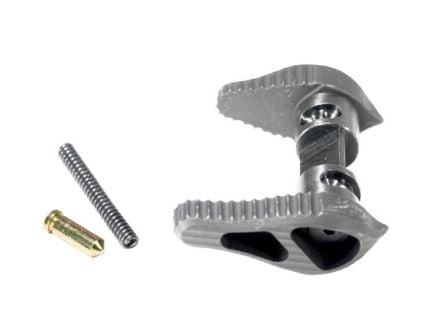
- Standard Levers: These are the traditional, single-sided controls found on most AR-15s. They are simple, reliable, and easy to use.
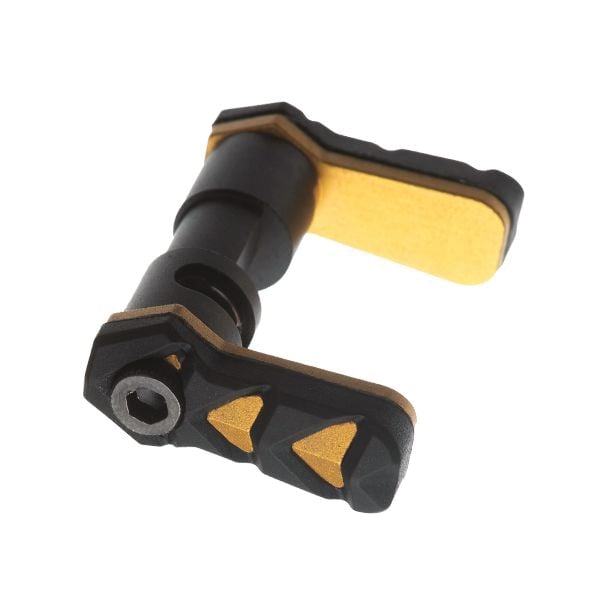
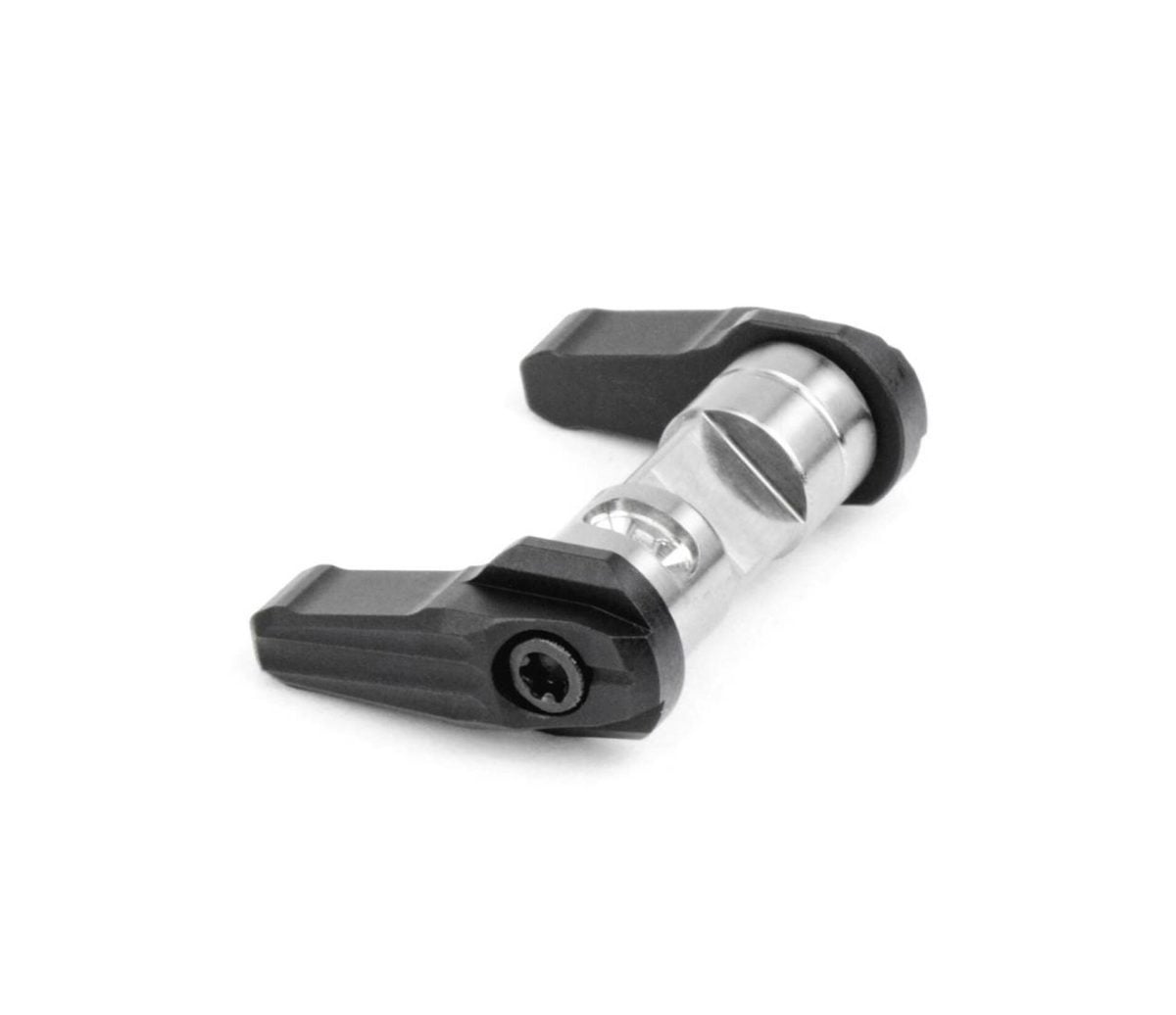
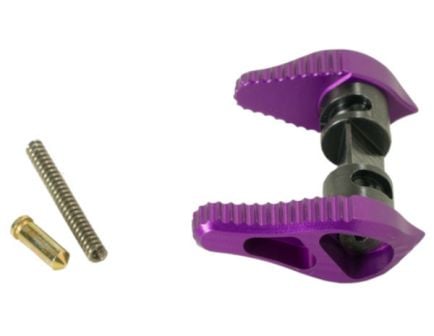
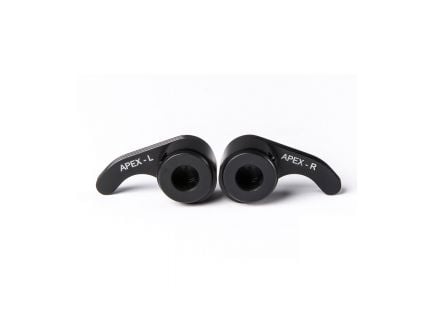
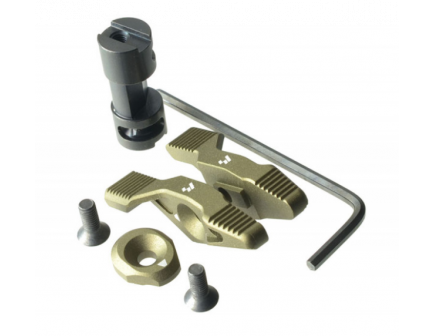
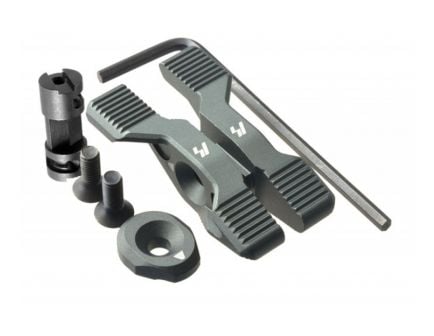
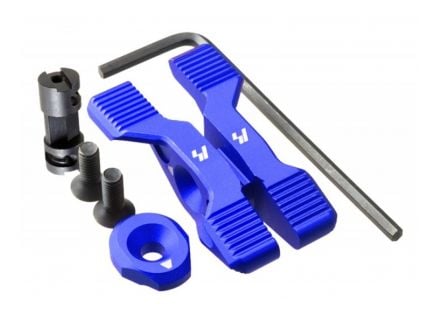
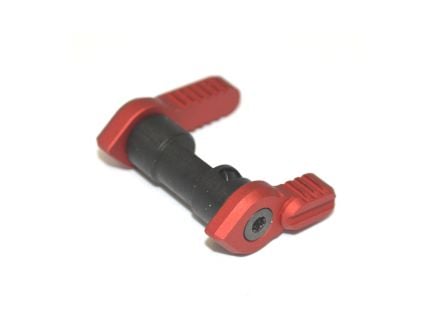
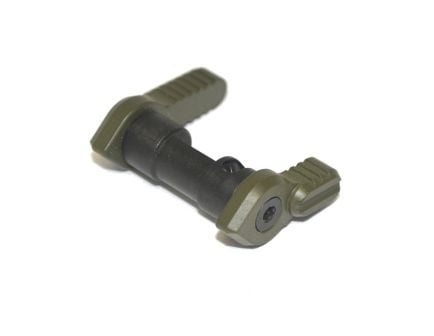
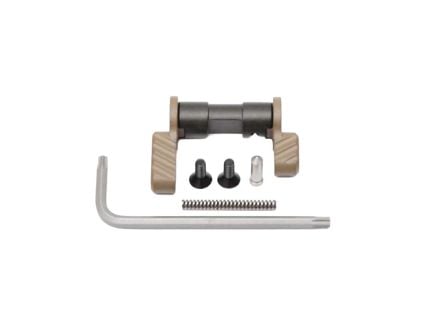
- Ambidextrous Models: Designed for both right- and left-handed shooters, these feature levers on both sides of the receiver, allowing for quick and easy operation regardless of dominant hand.
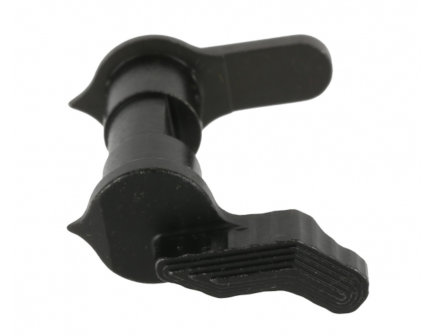
- Short-Throw Versions: These reduce the rotation angle required to switch between "safe" and "fire," enabling faster transitions and a more ergonomic feel.
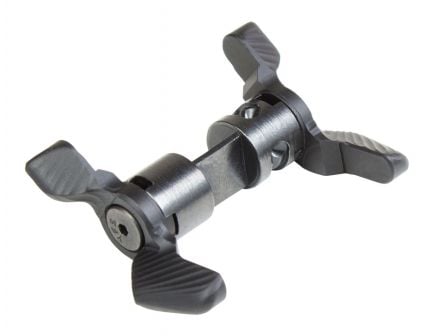
- Enhanced or Extended Levers: Featuring larger or textured surfaces, these provide improved grip and easier manipulation, especially when wearing gloves.
How Do Ambidextrous Controls Benefit Shooters?
Ambidextrous levers are a popular upgrade for those seeking greater versatility and comfort. By providing controls on both sides of the lower receiver, they allow shooters to engage or disengage the safety with either hand. This is particularly beneficial for left-handed users or those who practice off-hand shooting. Additionally, these selectors can improve speed and efficiency during tactical drills or competitive shooting scenarios.
What Materials Are They Made From?
These components are typically constructed from high-quality materials to ensure durability and reliable performance. Common choices include:
- Steel: Known for its strength and longevity, steel is a popular choice, especially in duty or high-use rifles.
- Aluminum: Lightweight and corrosion-resistant, aluminum versions are favored for their reduced weight and modern appearance.
- Polymer: Some manufacturers offer polymer options, which are lightweight and cost-effective, though they may not be as durable as metal alternatives.
Many also feature protective coatings or finishes, such as nitride, phosphate, or anodizing, to further enhance corrosion resistance and longevity.
Are They Compatible with All Lower Receivers?
Most are designed to be compatible with standard mil-spec lower receivers. However, some proprietary or non-standard lowers may require specific models or minor fitting. When selecting a new lever, it’s important to verify compatibility with your specific lower receiver to ensure proper function and fit.
What Features Should You Look For?
When choosing a selector, consider the following features to match your needs and preferences:
- Ambidextrous Design: Ideal for left-handed shooters or those seeking greater flexibility.
- Short-Throw Operation: Reduces the angle needed to switch between modes, allowing for quicker transitions.
- Textured or Extended Levers: Enhances grip and ease of use, especially in adverse conditions or when wearing gloves.
- Durable Construction: Look for models made from high-quality materials with robust finishes for long-lasting performance.
- Customizable Options: Some offer interchangeable levers or color choices to match your rifle’s aesthetics.
How Do You Maintain This Component?
Proper maintenance ensures smooth operation and longevity. Regularly inspect the lever for signs of wear or debris buildup. Clean the area with a suitable solvent and lubricate lightly to prevent corrosion and ensure smooth movement. Routine care helps maintain reliable function and enhances overall firearm safety.
Can You Customize the Look?
Yes, many manufacturers offer these parts in a variety of finishes and colors, allowing you to personalize your rifle. Options include classic black, flat dark earth, OD green, and even vibrant anodized colors. Some also feature unique designs or laser-etched markings for added style. Customizing this part is a simple way to add a personal touch to your AR-15 build.
What Are the Signs That Replacement Is Needed?
Over time, these levers can experience wear or damage that may affect their performance. Signs that a replacement may be necessary include:
- Difficulty switching between "safe" and "fire" positions
- Excessive play or looseness in the lever
- Visible wear, cracks, or deformation
- Inconsistent or unreliable engagement
If you notice any of these issues, replacing the part with a high-quality aftermarket option can restore reliable function and enhance safety.
Conclusion
The selector is a small but essential component that plays a significant role in the safe and effective operation of your rifle. Whether you’re seeking improved ergonomics, ambidextrous controls, or a custom look, upgrading this part can enhance your shooting experience. Explore Palmetto State Armory’s wide selection to find the perfect fit for your build and shooting style.