Waterfowl Decoy FAQ
What Are Waterfowl Decoys and How Do They Work?
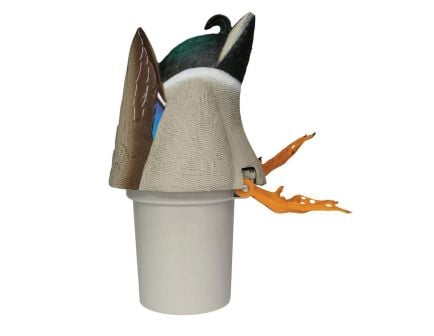
Waterfowl decoys are lifelike replicas of ducks, geese, and other species used by hunters to attract real birds into shooting range.
Crafted from durable materials such as plastic or foam, these tools are designed to mimic the appearance, posture, and sometimes even the movement of live waterfowl.
By strategically placing them in water or on land, hunters create the illusion of a safe and inviting environment, encouraging passing birds to land nearby.
The effectiveness of these replicas relies on their realistic appearance and placement. Birds are naturally social and often seek out groups for safety and feeding opportunities. When they spot a spread of decoys, they are more likely to approach, believing it to be a safe area. This technique has been used for generations and remains a cornerstone of successful hunting.
What Types of Decoys Are Available?
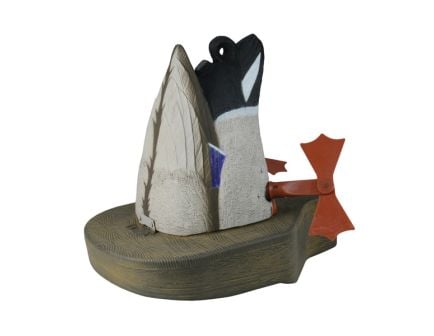
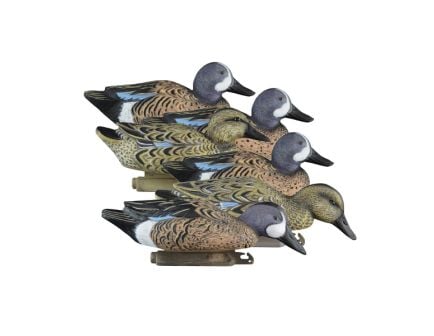
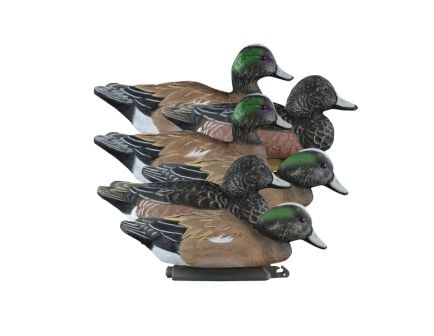
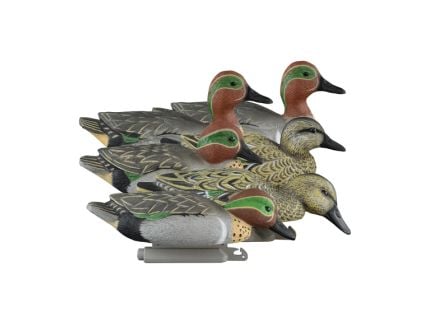
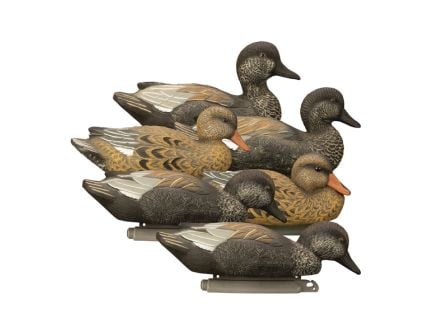
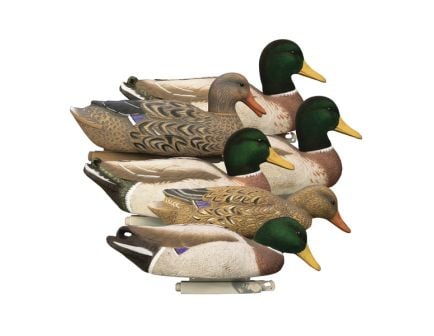
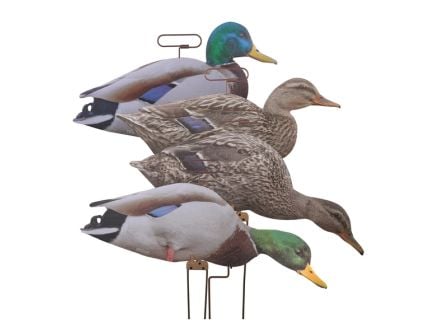
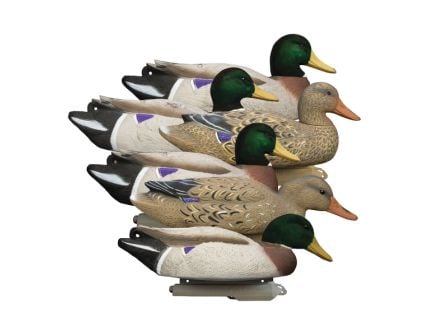
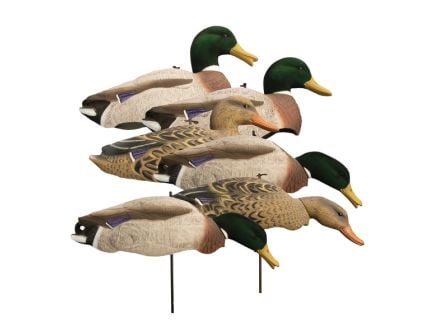
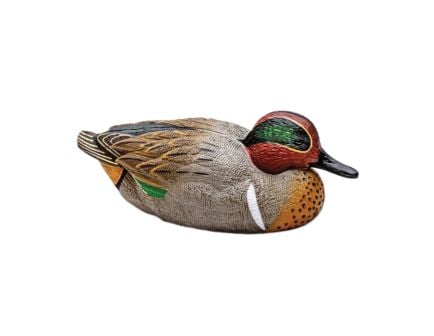
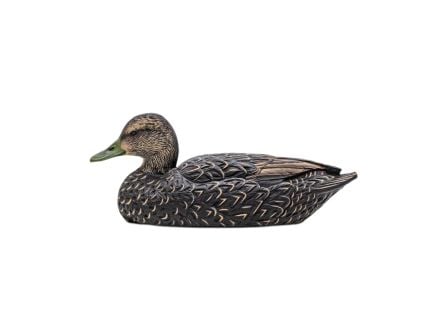
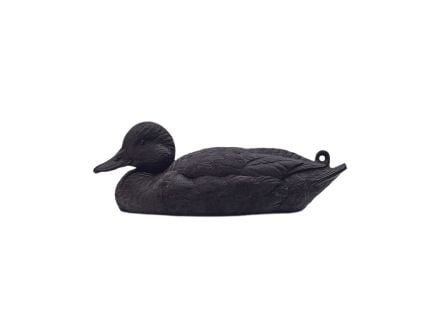
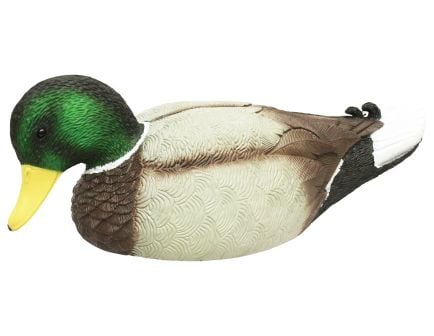
- Duck Decoys: Available in various species such as mallards, pintails, teal, and wood ducks. These come in different postures, including feeding, resting, and active positions, to create a natural-looking spread.
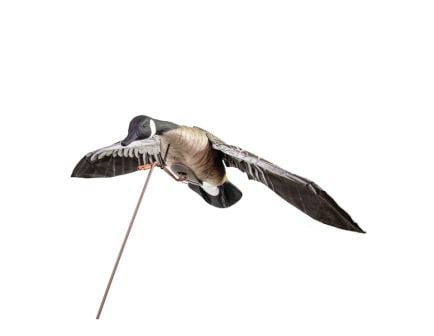
- Goose Decoys: Larger than those for ducks, these are used to attract species like Canada geese and snow geese. They are often used in fields or along shorelines.
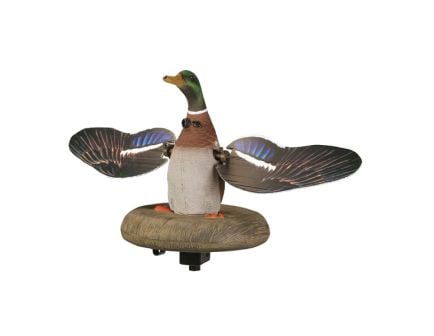
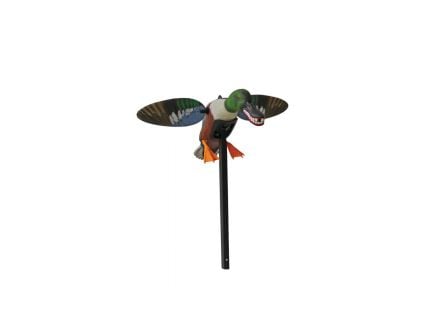
- Motion Decoys: Featuring moving parts, such as spinning wings or bobbing heads, these simulate the natural movement of live birds and are highly effective at catching the attention of distant flocks.
- Full-Body Decoys: Designed for maximum realism, these three-dimensional models are often used on land or in shallow water.
- Shell and Silhouette Decoys: Lightweight and easy to transport, these are ideal for hunters who need to carry large numbers into the field.
Choosing the right type depends on the target species, hunting environment, and personal preference.
How Many Decoys Should You Use?
The number needed for a successful hunt can vary based on several factors, including the species being targeted, the size of the hunting area, and local bird behavior.
For duck hunting, a spread of 12 to 36 is common, while goose hunters may use larger spreads of 50 or more to create the appearance of a large, safe flock.
Early in the season, when birds are less wary, smaller spreads can be effective. As the season progresses and birds become more cautious, increasing the number and variety can help maintain success.
Experimenting with different spread sizes and configurations is key to finding what works best in your hunting area.
How Should You Set Up Decoys for Maximum Effectiveness?
- Mimic Natural Behavior: Observe how real birds group together and try to replicate those patterns. Leave open landing zones within your spread to give incoming flocks a clear place to land.
- Consider Wind Direction: Waterfowl typically land into the wind. Position your setup so that birds approach from the desired direction, giving you the best shooting opportunities.
- Vary Species and Postures: Mixing different species and postures creates a more convincing scene and can attract a wider variety of birds.
- Use Motion Decoys Wisely: Place moving models near the center or upwind edge of your spread to draw attention and add realism.
Experimenting with different setups and adjusting based on bird response can help you fine-tune your spread for optimal results.
What Features Should You Look for in Quality Decoys?
- Realistic Paint Schemes: High-quality models feature detailed, lifelike paint jobs that closely mimic the colors and patterns of real birds.
- Durable Construction: Look for options made from tough, weather-resistant materials that can withstand repeated use in harsh conditions.
- Weighted Keels: For those used in water, weighted keels help keep them upright and stable, even in windy or choppy conditions.
- UV-Resistant Coating: A UV-resistant finish helps prevent fading and maintains a realistic appearance over time.
- Easy Transport and Setup: Lightweight designs and convenient carrying systems make it easier to deploy and retrieve them in the field.
Investing in quality products ensures they will perform well season after season and help you achieve consistent results.
How Do You Maintain and Store Decoys?
Proper care and storage will extend their lifespan and keep them looking realistic. After each hunt, rinse off mud and debris with clean water and allow them to dry completely before storing. Inspect for any damage, such as cracks or chipped paint, and make repairs as needed.
Store your gear in a cool, dry place, preferably in a decoy bag or storage bin to prevent damage during transport. Keeping your equipment clean and well-maintained ensures it remains effective and ready for action each hunting season.
Why Choose Palmetto State Armory for Waterfowl Decoys?
At Palmetto State Armory, we offer a wide selection of high-quality waterfowl decoys from trusted brands.
Whether you’re a seasoned hunter or just starting out, our collection includes duck, goose, and motion options designed to help you create the perfect spread.
With competitive prices and expert customer service, Palmetto State Armory is your go-to source for all your waterfowl hunting needs.