Trail Camera FAQ
What Are Trail Cams and How Do They Work?
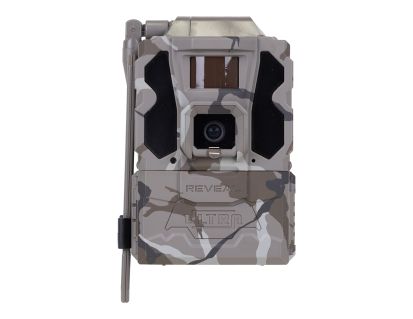
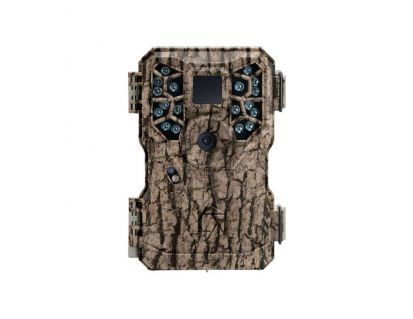
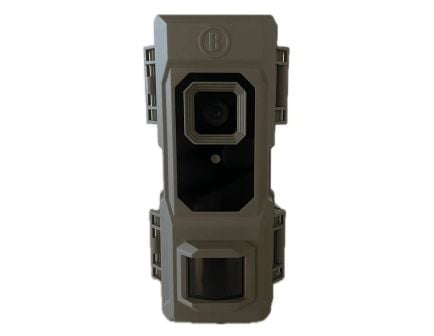
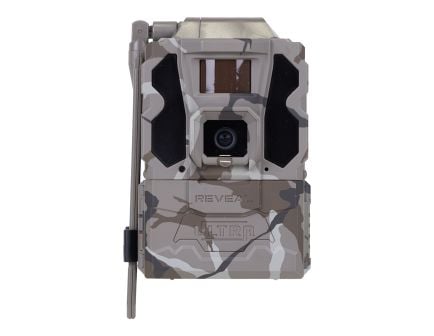
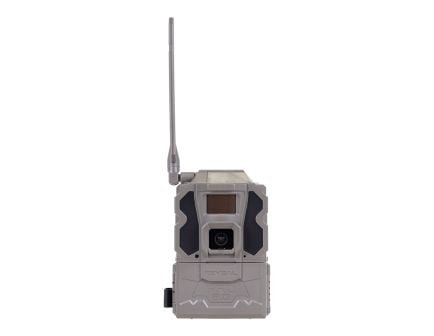
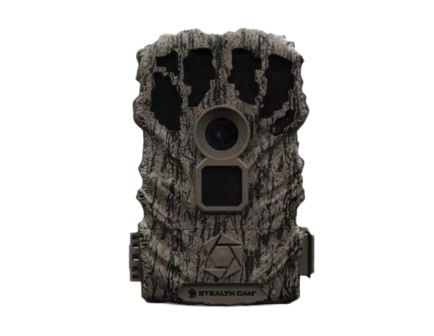
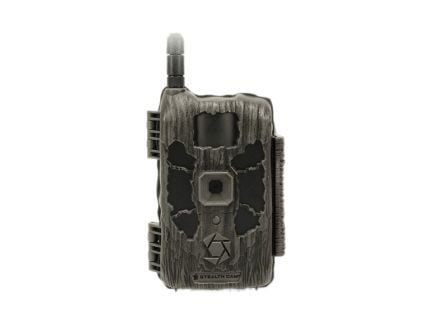
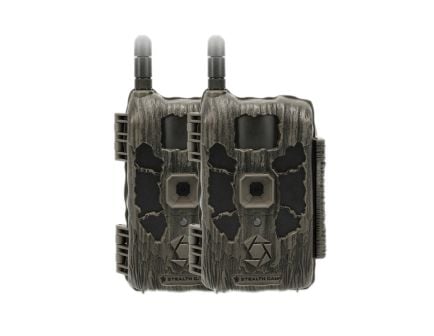
Trail cameras, also known as game or scouting cameras, are specialized devices designed to capture images and videos of wildlife and outdoor activity.
These devices are often used by hunters, wildlife fans, and land owners. They help track how animals move and behave in a specific area.
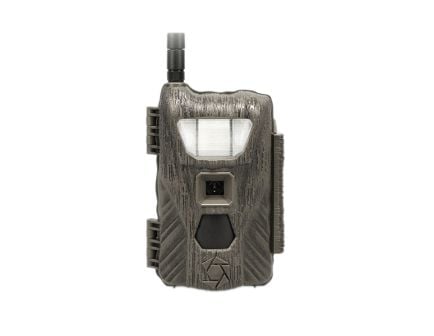
Many come fitted with motion detectors that activate the camera to snap a photo or start recording video whenever movement is sensed within its detection area. Many newer models also include infrared imaging—this lets them take clear photos in low light or at night without disturbing or scaring wildlife.
Key Features to Look for
When selecting a device for outdoor monitoring, several features can enhance your scouting and observation experience:
- Image and Video Quality: Look for models with high-resolution sensors for crisp, clear images and videos. Higher megapixel counts generally provide better detail, which is especially useful for identifying specific animals or monitoring property.
- Trigger Speed: This refers to how quickly the camera captures an image after detecting motion. A faster trigger speed ensures you don’t miss fast-moving wildlife.
- Detection Range: The detection range determines how far away the camera can sense movement. A longer range is ideal for covering larger areas.
- Battery Life: Extended battery life is vital for long-term monitoring. It helps most in remote areas where battery changes are hard.
- Night Vision: Infrared LEDs or low-glow technology allow for discreet nighttime photography without alerting animals.
- Storage Capacity: Consider models that support large SD cards or offer cloud storage options for extended use.
- Weather Resistance: Durable, weatherproof housings protect the device from rain, snow, and extreme temperatures.
How Can These Cameras Enhance Your Outdoor Experience?
These devices offer a range of benefits for outdoor enthusiasts, hunters, and property owners:
- Wildlife Monitoring: Gain valuable insights into animal behavior, movement patterns, and population density in your area.
- Hunting Preparation: Scout game trails, feeding areas, and bedding spots. Use this to plan more effective hunting strategies.
- Property Surveillance: Monitor remote properties, cabins, or entry points for trespassers or unwanted activity.
- Nature Observation: Capture candid wildlife moments in their natural habitat. Perfect for nature lovers and photographers.
- Research and Education: These cameras are useful tools for biologists, researchers, and educators who study animal habits and ecosystems.
Types Available
There are several types to suit different needs and preferences:
- Standard Models: These capture still images and videos when triggered by motion. They are ideal for general wildlife monitoring and hunting.
- Cellular Options: Equipped with SIM cards, these can send images and videos to your smartphone or email. This gives you real-time updates from the field.
- Wireless Versions: These connect to Wi-Fi networks to send images and videos remotely. They work well in areas with reliable wireless coverage.
- No-Glow and Low-Glow: Designed for stealth, these use infrared LEDs that are invisible or barely visible to animals and humans. This makes them ideal for discreet monitoring.
Tips for Setting Up and Using Trail Cams
To maximize effectiveness, consider the following tips:
- Choose the Right Location: Position your device along game trails, close to water sources, or at feeding spots to increase your chances of capturing wildlife.
- Mount at the Correct Height: Position it at the right height for the target species. For deer, set it about waist-high. For smaller animals, place it lower.
- Angle and Direction: Aim slightly downward. Avoid pointing straight at the rising or setting sun, this helps prevent glare and over exposure.
- Clear Obstructions: Remove branches, tall grass, or other objects that could trigger false alarms or obscure the view.
- Regularly Check and Maintain: Periodically check for battery life, memory card space, and lens cleanliness to ensure optimal performance.
Frequently Asked Questions
How long do batteries typically last?
Battery life varies depending on the model, usage, and environmental conditions. Many can run for weeks or even months on one set of batteries. This is most true with efficient models and lithium batteries.
Can these devices record video as well as still images?
Yes, most modern options offer both photo and video recording modes. Users can typically select the desired mode and adjust settings such as video length and resolution.
Are they weatherproof?
Most are designed with rugged, weather-resistant housings to withstand rain, snow, and temperature change, making them suitable for year-round outdoor use.
What memory card size is recommended?
The recommended memory card size depends on the resolution and how frequently it captures images or videos. Many users opt for SD cards ranging from 16GB to 64GB for extended use without frequent card changes.
Do these cameras work for home security?
Absolutely. They are a cost-effective way to monitor driveways, backyards, and other areas around your home. They offer peace of mind and useful evidence if suspicious activity occurs.
Why Buy from Palmetto State Armory?
At Palmetto State Armory, we offer many high-quality outdoor cameras from trusted brands. You can find the right model for your needs. Our knowledgeable staff can help you choose the right device for your situation.