Axes & Hatchets FAQ
What Are Axes and Hatchets Used For?
These handy tools are made for chopping, splitting, and shaping wood. They are important for outdoor lovers, campers, hunters, and anyone who needs to cut firewood or clear brush.
Both are invaluable for survival situations, bushcraft, and general outdoor maintenance.
Whether you’re building a shelter, preparing a campfire, or maintaining trails, having a reliable cutting tool in your gear can make all the difference.
What Are the Main Differences Between Axes and Hatchets?
While these tools share similar designs, their differences lie in size, weight, and intended use:
-
Axes: The larger tool generally has handles ranging from 20 to 36 inches and heads weighing 2 to 4 pounds. They are designed for two-handed use, providing the leverage needed for heavy-duty tasks like splitting logs or felling trees.
-
Hatchets: The smaller version features shorter handles, usually between 10 and 16 inches, and lighter heads, often under 2 pounds. Their compact size makes them easy to carry and ideal for one-handed tasks such as chopping small branches, making kindling, or performing detailed woodwork.
Choosing between the two depends on your specific needs. For heavy chopping and splitting, the axe is the better choice. For portability and lighter tasks, the hatchet is more suitable.
What Should You Look for When Choosing an Axe or Hatchet?
Selecting the right tool involves considering several key factors:
- Purpose: Determine whether you need something for heavy-duty chopping, splitting, or more precise tasks like carving or kindling.
- Handle Material: Handles are commonly made from wood (such as hickory), fiberglass, or steel. Wood offers a traditional feel and shock absorption, while fiberglass and steel provide increased durability and weather resistance.
- Head Design: The shape and weight of the head affect performance. Splitting models have wedge-shaped heads for splitting logs, while felling types have thinner blades for cutting across wood grain. Smaller tools often have a balanced design for versatility.
- Weight and Balance: A well-balanced tool reduces fatigue and increases efficiency. Lighter options are easier to control, while heavier ones deliver more power.
- Grip and Comfort: Ergonomic handles and non-slip grips enhance safety and comfort during use.
By considering these factors, you can find a tool that matches your outdoor activities and personal preferences.
How Do You Maintain and Care for Axes and Hatchets?
Proper maintenance ensures your tool remains effective and safe to use.
Here are some essential care tips:
- Sharpen the Blade: Regularly sharpen the edge using a sharpening stone, file, or dedicated sharpener. A sharp blade cuts more efficiently and reduces the risk of accidents.
- Clean After Use: Remove dirt, sap, and moisture from the blade and handle after each use to prevent rust and decay.
- Oil the Metal: Apply a light coat of oil to the blade to protect against rust, especially if storing the tool for an extended period.
- Inspect the Handle: Check for cracks, splinters, or loose fittings. Wooden handles can be treated with linseed oil to prevent drying and splitting.
- Store Properly: Keep your tool in a dry place, ideally in a sheath or cover to protect the blade and prevent accidents.
Routine maintenance not only extends the life of your equipment but also ensures it performs at its best when you need it most.
What Are the Benefits of Carrying an Axe or Hatchet Outdoors?
Bringing one of these tools on your outdoor adventures offers several advantages:
- Versatility: They can handle a wide range of tasks, from chopping firewood and clearing campsites to crafting shelters and processing game.
- Portability: The smaller hatchet, in particular, is compact and lightweight, making it easy to pack in a backpack or attach to a belt.
- Reliability: Unlike power tools, these don’t require batteries or fuel, ensuring they’re always ready for use.
- Survival Utility: In emergency situations, a sturdy cutting tool can be a lifesaver for building fires, constructing shelters, or signaling for help.
Whether you’re camping, hiking, or hunting, having a quality tool adds a layer of preparedness and self-sufficiency to your outdoor experience.
What Types Are Available?
There are several types, each designed for specific tasks:
- Felling Models: Designed for chopping down trees, featuring long handles and thin, sharp blades.
- Splitting Tools/Mauls: Built for splitting logs, with heavier, wedge-shaped heads.
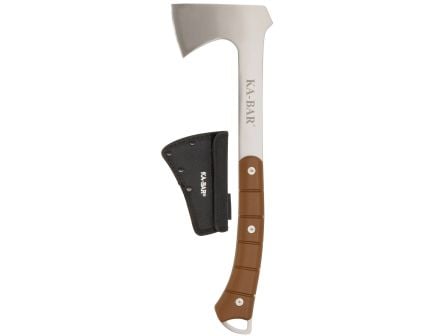
- Camp Versions: Medium-sized, suitable for general camp tasks, offering a balance between power and portability.
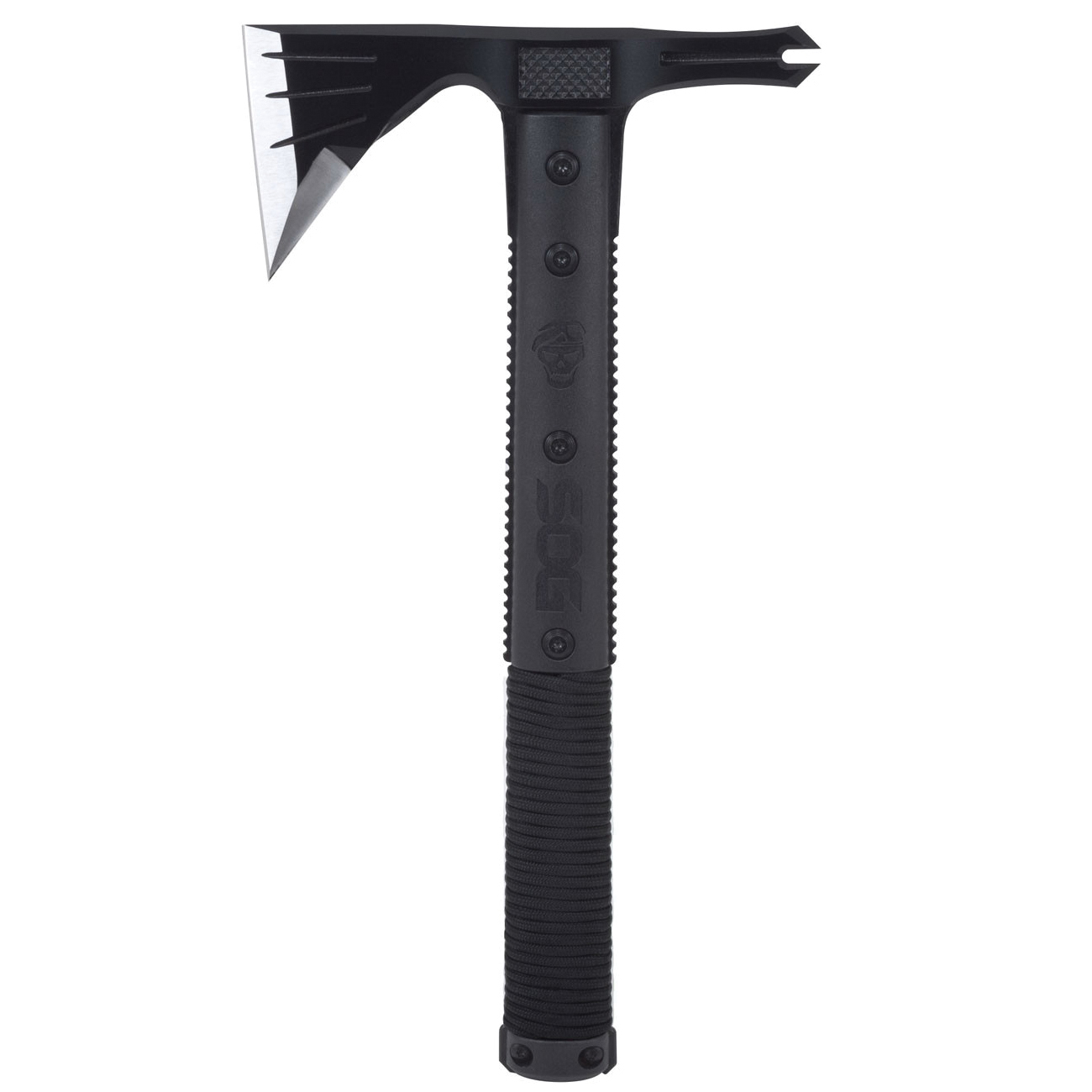
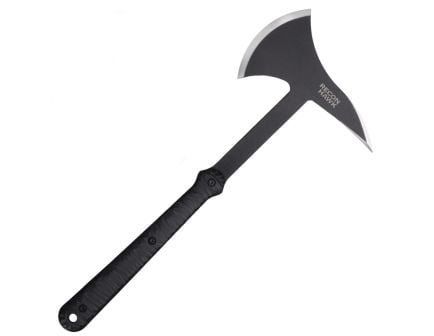
- Tactical Options/Tomahawks: Lightweight and versatile, often used for breaching, throwing, or self-defense in addition to traditional chopping tasks.
- Survival Tools: Compact and multi-functional, often including features like hammer heads or integrated fire starters.
Understanding the different types helps you choose the right one for your specific needs, whether it’s for heavy-duty wood processing or lightweight camp chores.
Why Buy from Palmetto State Armory?
Palmetto State Armory has a great selection of high-quality cutting tools from trusted brands. This ensures you get reliable gear for your outdoor adventures.
Our collection includes different sizes, styles, and materials to meet every need. We have heavy-duty options for wood splitting and compact models for backpacking.
When you shop with us, you benefit from:
- Expertly Selected Products: We stock only the best, chosen for their durability, performance, and value.
- Competitive Pricing: Get top-quality tools at prices that fit your budget.
- Customer Support: Our knowledgeable team is here to help you find the perfect item for your next adventure.
Equip yourself with the right tool from Palmetto State Armory and tackle any outdoor challenge with confidence.