Cover Scents & Attractants: Frequently Asked Questions
Cover scents and attractants are essential tools for hunters looking to increase their chances of a successful hunt.
Whether you’re a seasoned hunter or just starting out, understanding how these products work and how to use them effectively can make a significant difference in your hunting experience.
Below, we answer some of the most common questions about these products to help you make informed decisions for your next outing.
What Are Cover Scents and Attractants?
Cover scents are products designed to mask or neutralize human odors, making it harder for game animals to detect your presence. They often mimic natural smells found in the environment, such as pine, earth, or cedar.
Attractants, on the other hand, are formulated to lure game animals to a specific area. These can include food-based aromas, pheromones, or other natural smells that appeal to the animal’s senses.
How Do They Work?
Cover scents work by overwhelming or blending with your natural scent, making it less likely for animals to recognize human odors.
When applied to clothing, gear, or the surrounding area, these products help you blend into the environment. This is especially important for animals with keen senses of smell, such as deer or elk.
What Types Are Available?
- Earth scents: Mimic the smell of soil or decaying leaves.
- Pine or cedar scents: Replicate the aroma of coniferous forests.
- Fresh scents: Such as rain or water, ideal for wetland environments.
- Animal scents: Like fox or raccoon urine, which can mask human odor by introducing a familiar animal smell.
Each type is suited for different environments and hunting scenarios, so it’s important to choose one that matches your hunting location.
How Should They Be Applied?
- Sprays: Directly onto clothing, boots, and gear.
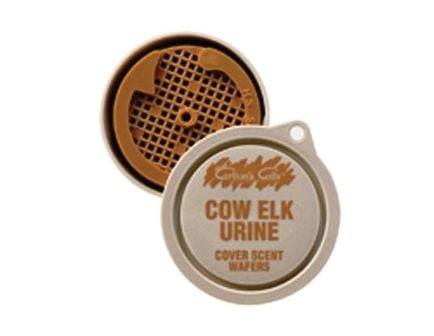
- Wafers or disks: Hung from trees or attached to clothing.
For best results, apply before entering the field and reapply as needed, especially after sweating or exposure to rain.
What Are Attractants and How Are They Used?
- Liquid sprays: Sprayed on vegetation or the ground.
- Granular or powder forms: Scattered in feeding areas.
- Blocks or licks: Placed on the ground for animals to investigate.
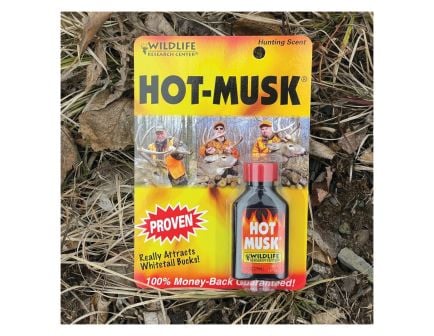
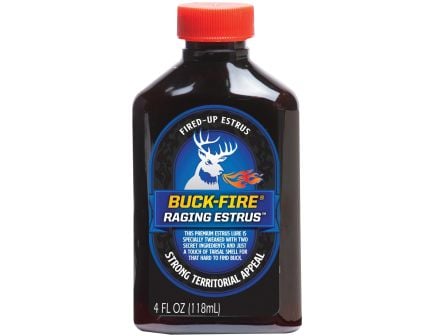
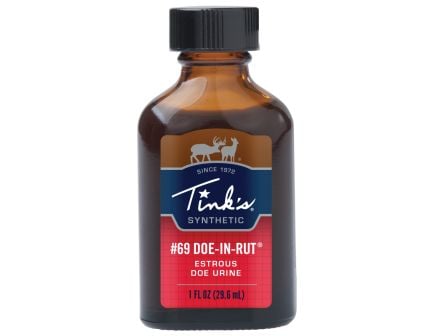
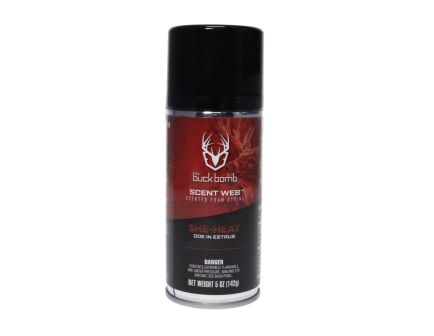
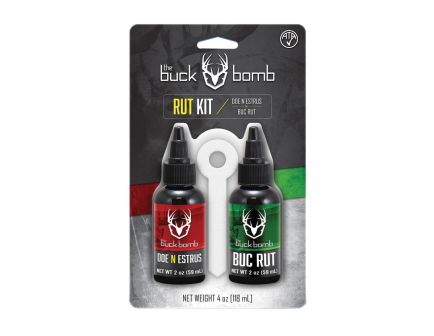
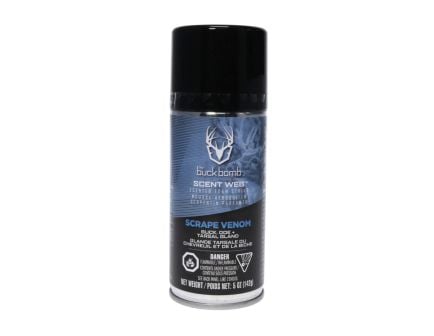
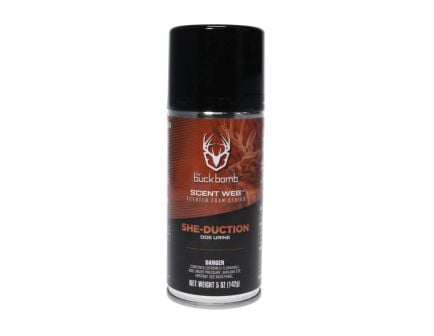
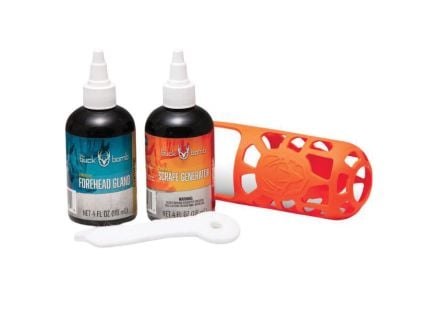
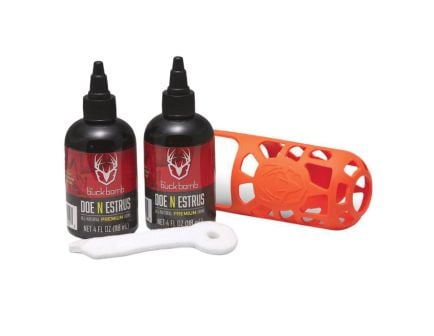
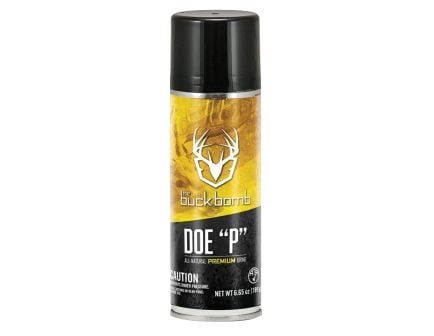
- Natural scent: Draw in bucks with naturally occurring scent such as doe estrus or dorsal gland scent.
These often contain ingredients like sweet corn, apples, acorns, or specific pheromones that appeal to the target species.
They are typically used near hunting stands or blinds to increase the likelihood of animals coming within range.
What Are the Benefits of Using Attractants?
- Increase animal activity: Draw more game into your hunting area.
- Encourage repeat visits: Animals may return to the same spot if they find a reliable food source.
- Improve shot opportunities: By concentrating animal movement, you can position yourself for a better shot.
Can Both Be Used Together?
Absolutely. Many hunters use both types to maximize their effectiveness. By masking your scent and simultaneously drawing animals in, you increase your chances of a successful hunt. For example, you might use an earth-scented spray on your clothing while placing an apple-scented lure near your stand.
How Do You Choose the Right Product for Your Hunt?
- Target species: Different animals are attracted to different smells. Deer may respond well to acorn or apple aromas, while predators might be drawn to meat-based options.
- Season: During the rut, pheromone-based products can be especially effective. In early or late season, food-based options may work better.
- Environment: Match masking scents to your surroundings. Use pine in coniferous forests and earth scents in wooded or open areas.
How Long Do They Last?
The longevity of these products depends on the form and environmental conditions. Sprays may need to be reapplied every few hours, especially in wet or windy conditions.
Blocks and licks can last several days or even weeks, depending on animal activity and weather.
Are There Any Tips for Maximizing Effectiveness?
- Stay clean: Wash your clothing and gear with scent-free detergents before applying masking products.
- Store properly: Keep these items sealed and away from strong odors when not in use.
- Use the wind: Always hunt with the wind in your favor, even when using masking scents.
- Be patient: It may take time for animals to discover and respond to lures.
What Are Some Popular Options for Deer Hunting?
- Doe estrus scents: Used during the rut to attract bucks.
- Apple and acorn lures: Mimic natural food sources.
- Earth and pine masking scents: Help hunters blend into forested environments.
Conclusion
Cover scents and attractants are valuable tools for hunters seeking to improve their odds in the field.
By understanding how these products work and how to use them effectively, you can enhance your hunting experience and increase your chances of success.
Explore Palmetto State Armory’s wide selection to find the perfect match for your next hunt.

 Regular Price $7.99 Special Price $6.89