

When Armalite and Eugene Stoner first developed the AR-15, it was conceived as the most futuristic firearm ever made, with all elements designed to maximize accuracy and minimize weight and recoil. A huge portion of that design revolved around the implementation of the direct impingement gas system.
This method of operation siphoned gas from the fired round to propel the bolt carrier group back, extract the spent casing, and chamber another.
If this sounds familiar, it should; this is how every auto-loading rifle functions today. But the exact way Stoner accomplished this is what makes the AR so accurate today.
Over time, things have changed, and there are now AR-15s with multiple direct impingement variants, as well as rifles that employ either long- or short-stroke piston systems.
So which one is which, and why should shooters pick one over the other? Let’s delve in and find out.
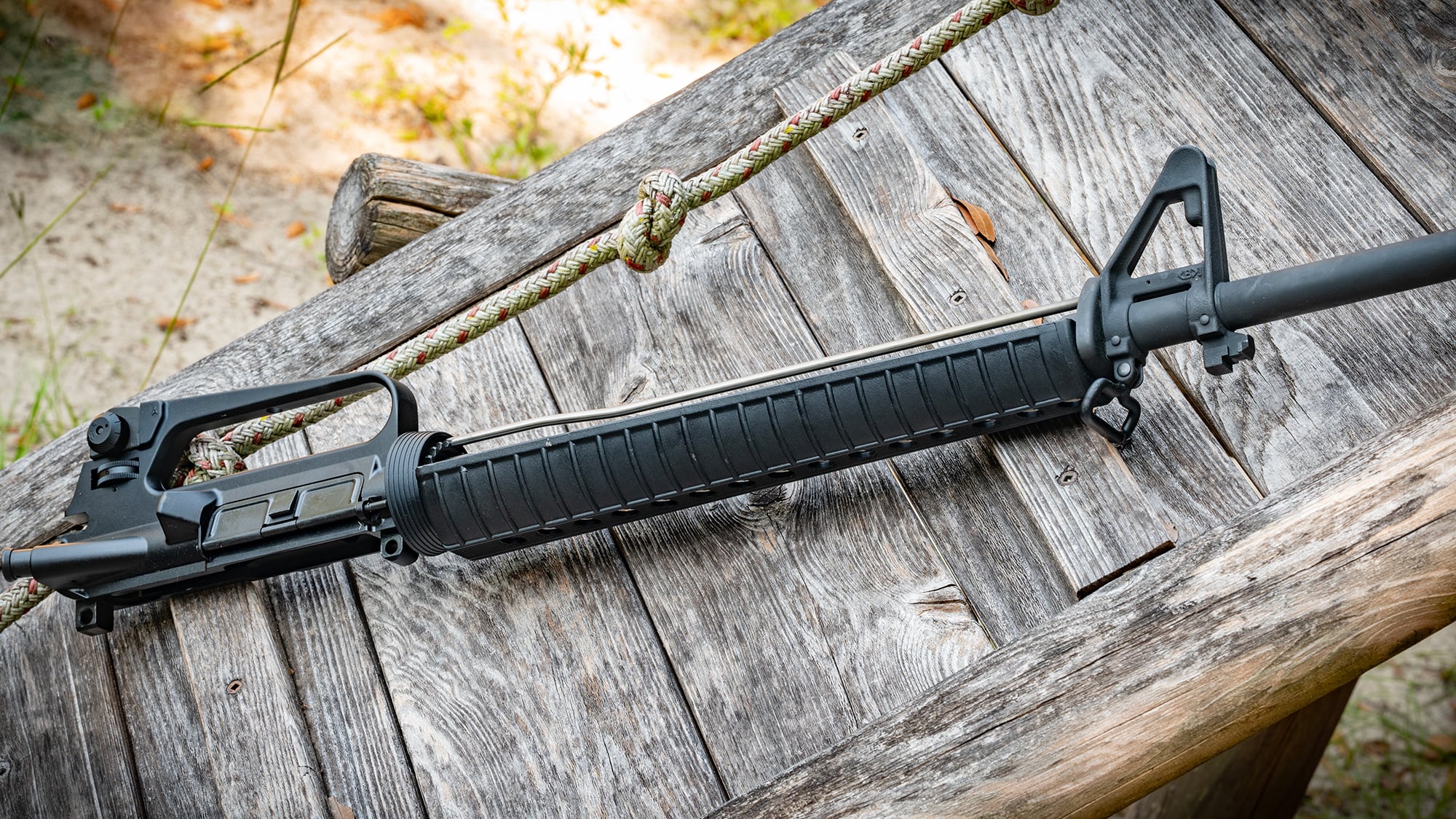
How AR-15 Gas Systems Work
In the broadest sense, AR-15 gas systems refer to methods that an auto-loading firearm uses to expand gases from a fired round to cycle the action.
What do I mean by cycling the action?
Cycling the action includes:
- Pushing the bolt or slide rearward.
- Extracting and ejecting the spent casing.
- Compressing the recoil spring.
- Propelling the bolt forward.
- Stripping a new round from the magazine.
- Chambering the cartridge.
If your head is spinning, think of it this way: All the actions taken by a repeating rifle, like a Mauser or Springfield, are done automatically instead of manually. While a bolt-action shooter must unlock the bolt, pull it rearward to eject a round, and then push it forward and down to chamber a new round and lock the action, an auto-loader accomplishes this in a fraction of a second, utilizing mechanical operating systems. Speaking of which, let’s move on to the most common method of operation for the AR-15.
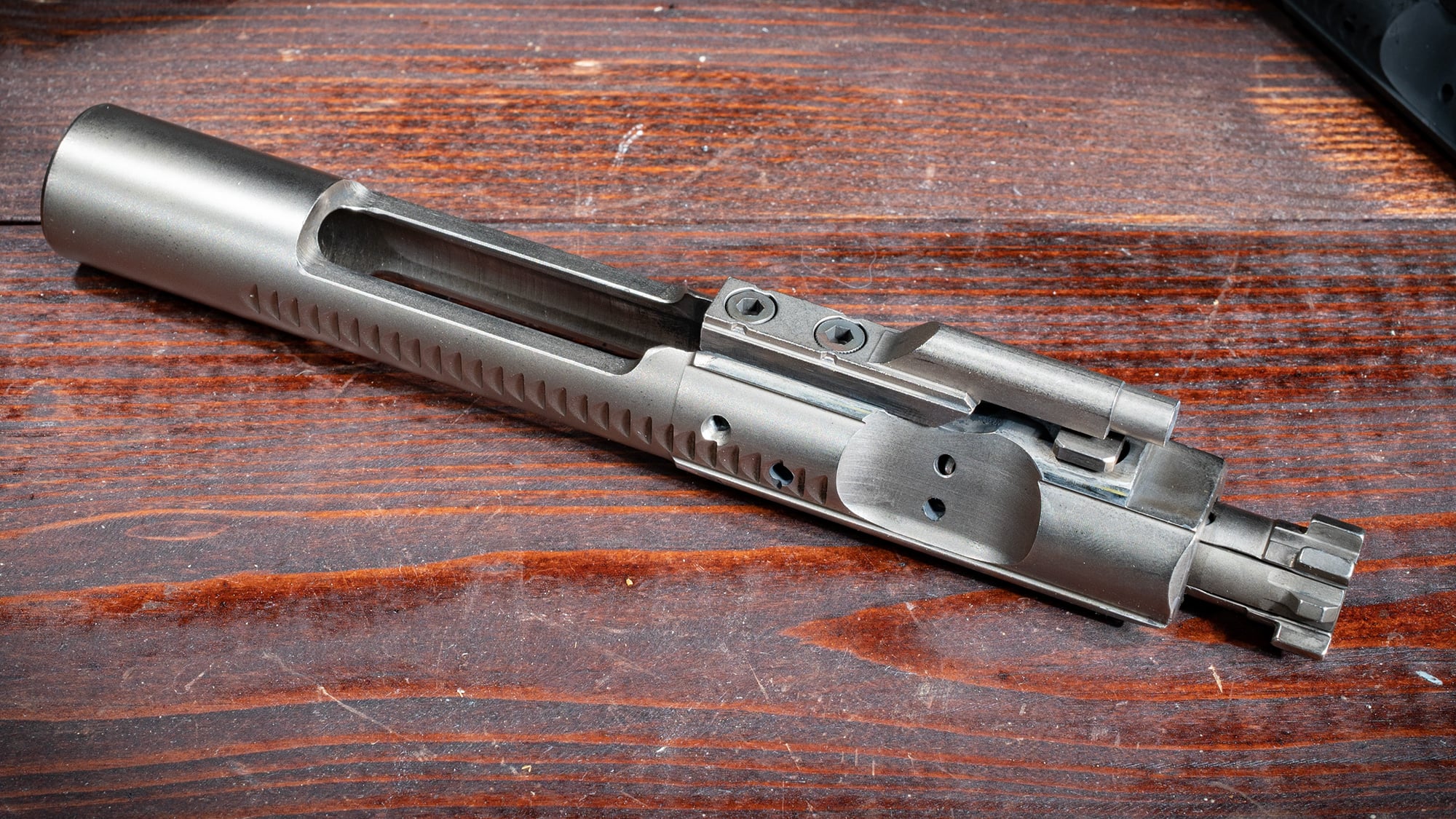
Direct-Impingement Gas System
The first gas system employed on AR-15 rifles, as well as the M16 and its variants, direct-impingement is arguably the most accurate gas system for AR pistols and rifles. It accomplishes this by minimizing forces on the barrel, resulting in more consistent barrel harmonics and, consequently, more precise fire.
Think of it this way - Accuracy isn’t a metric of how precise a rifle is, but rather how consistent it is. Where precision is how close shots are to the target, accuracy is how close the rounds are to each other. The best way to make a gun more accurate is to ensure that everything within the gun operates as consistently as possible. In other words, make everything happen as much the same way every time. Direct impingement does this by having as few moving parts as possible interact with the barrel.
Accuracy vs. Precision
- Precision = how close shots are to the bullseye.
- Accuracy = how close shots are to each other.
- DI helps accuracy by keeping the system consistent.
With piston-driven guns, the piston touches the gas tower, which touches the barrel and changes the harmonics, or how it vibrates with each shot. This, in turn, causes small changes in the barrel with each shot, and thus leads to decreased accuracy. With direct impingement, only the gas tube touches the gas block, so the barrel has limited vibrational forces acting on it. This means the barrel remains largely the same positionally and harmonically between shots - leading ot more consistent grouping and thus better accuracy.
Why shooters like direct impingement (DI):
- Minimizes external forces on the barrel.
- Creates consistent barrel harmonics.
- Delivers tighter groupings and improved accuracy.
But not all direct-impingement systems are the same - not even on the same platform like the AR-15. Although functionally identical, different barrel lengths have different gas configurations. And these different configurations or types are better for certain barrel lengths than others. Well, let’s take a closer look and figure it out.
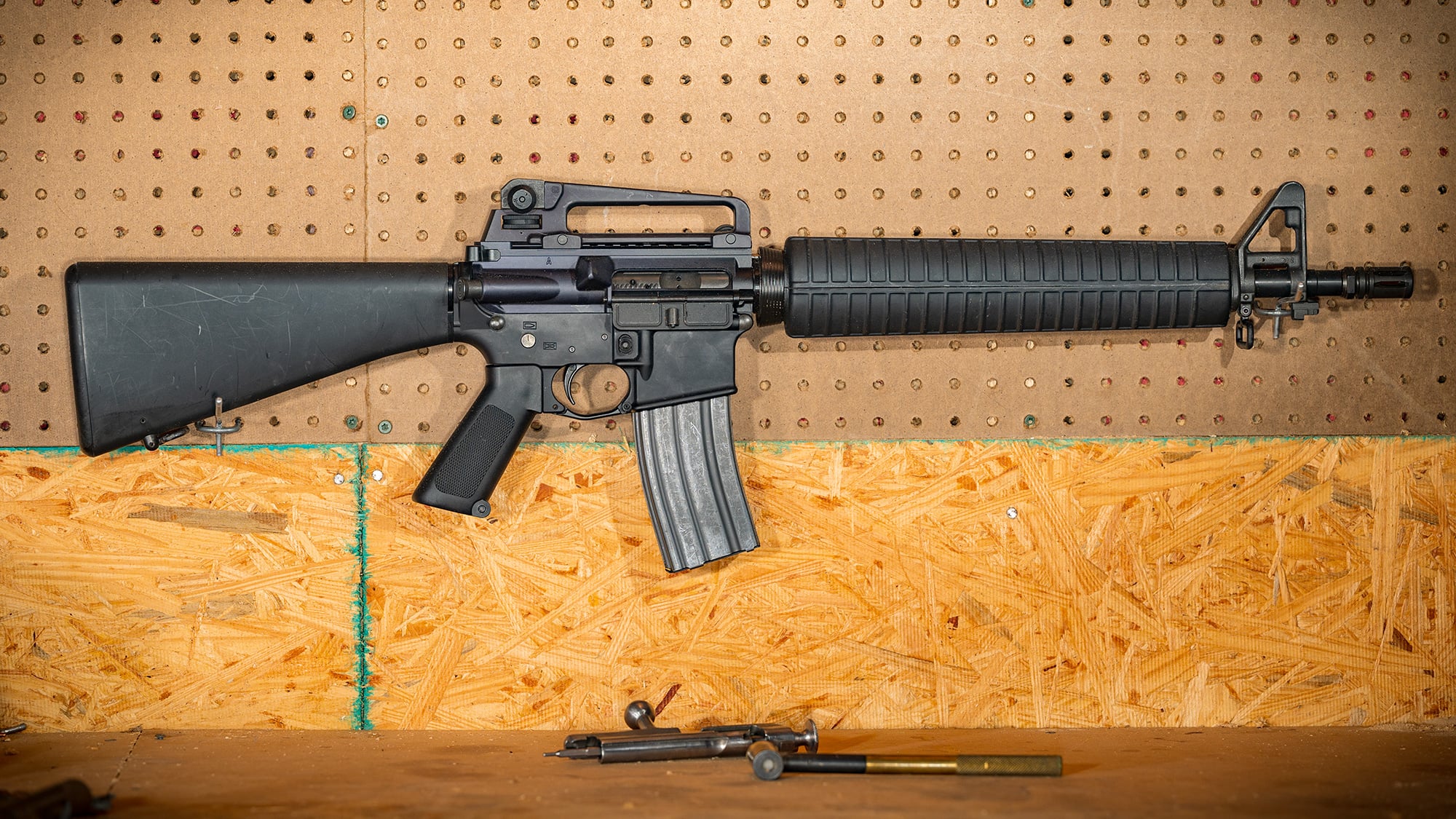
AR-15 Gas System Lengths
There are four different gas system lengths for direct impingement AR-15s; they all accomplish the same task, but go about it slightly differently, at least in terms of pressure, gas volume, and consequently, bolt speed.
-
Typically used on the shortest barrels found on the AR-15 - 10.5in and shorter. This short gas system has the shortest distance from the gas block to the carrier, and thus the highest pressure levels and fastest bolt velocity. This system also has the shortest dwell time, or time after the fired bullet passes the gas block before directing it back on the carrier. This shortened dwell time equates to more felt recoil.
-
This is the most common gas length found on AR-15s, and is appropriate for barrels between 14.5 and 16 inches. It has moderate recoil, as the dwell time is substantially increased compared to a pistol. This gas system normally has no issues when run in conjunction with a sound suppressor. Also, this length gas system tends to be a little over-gassed for carbine, which in turn leads to more reliable operation with lower pressure ammo or guns that need cleaning.
-
With a gas tube which is two inches longer than on a carbine length gas system, mid-length attempts to have the best of both worlds with carbines using barrels between 16 and 18 inches. It has a mild recoil impulse and a reasonably dwell time, making for a softer shooting experience than with a carbine or pistol-length system. Not as violent or as reliable as a carbine gas system, but still reliable with a properly maintained gun.
-
Rifle-length gas systems are the original system used on the AR-15 and M16 rifle. Designed for 20-inch barrels (but still reliably functional on 18-inch ones), this system offers the softest recoil impulse possible. Shooters who want a fixed stock rifle - either retro or modernized - can appreciate how well balanced and pleasant these guns are to shoot.
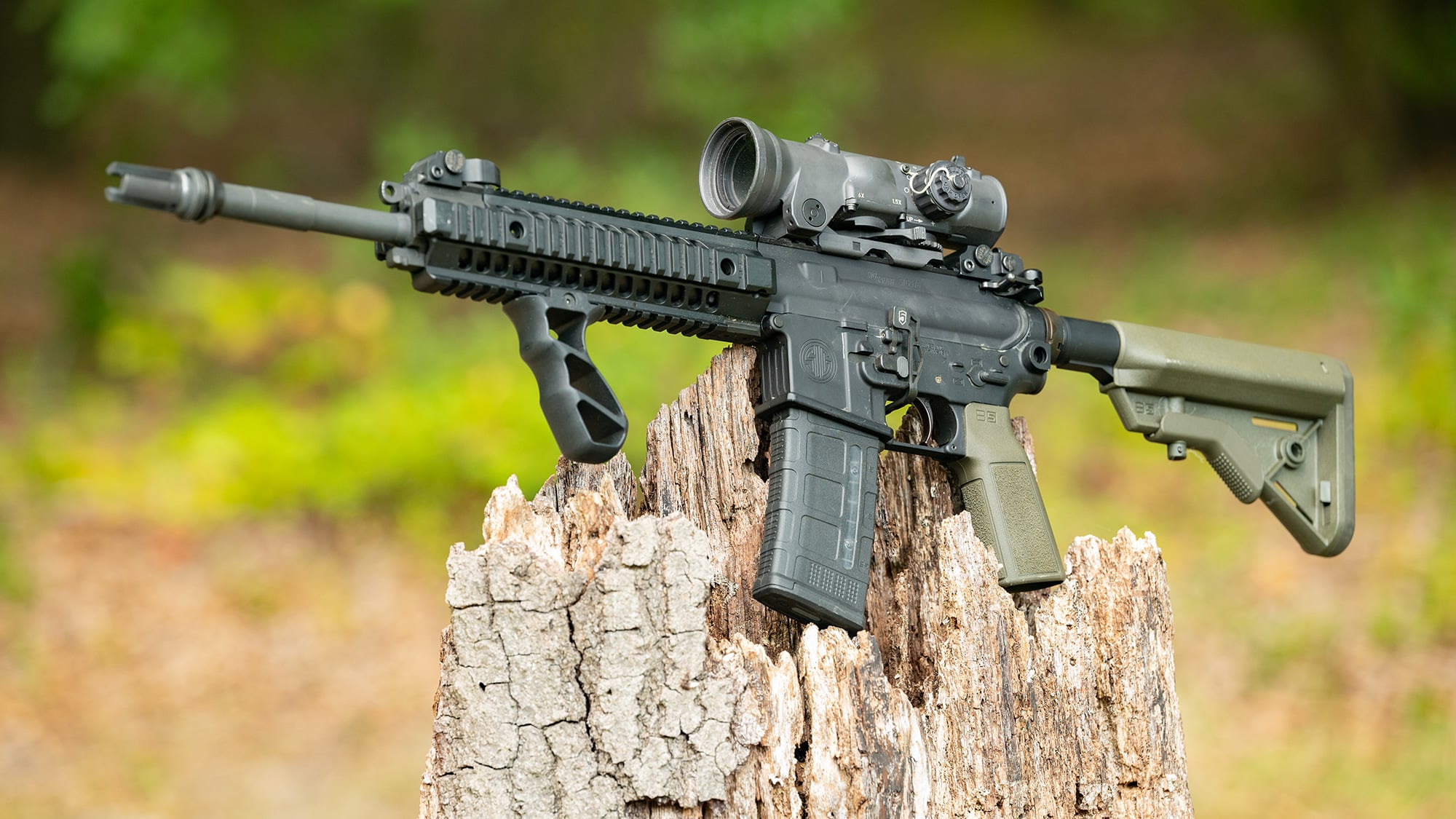
Piston-Driven AR-15s
At the beginning of the War on Terror, certain American forces reported issues with their M4 and M16 rifles malfunctioning in the field due to the ultra-fine sand of the desert getting into the actions of the guns. These same soldiers noticed that the enemy’s AKM rifles didn’t have this issue because their long-stroke piston actions could tolerate more fouling and foreign debris than the Stoner design. This led to multiple American companies developing piston-driven AR-15s to meet demand.
Interestingly enough, these companies were 30 years late to the party. Colt had internally developed its own piston gun called the Model 703 in 1969. These guns bare more than a passing resemblance to the Stoner 63 LMG system, and many of the concepts developed for each are found on one another as well as future Colt projects. And while these guns never made it into civilian hands (much less the prototype stages), it shows that the concept of a more reliable Armalite wasn’t a new one in the early 2000s.
Short-Stroke vs Long-Stroke
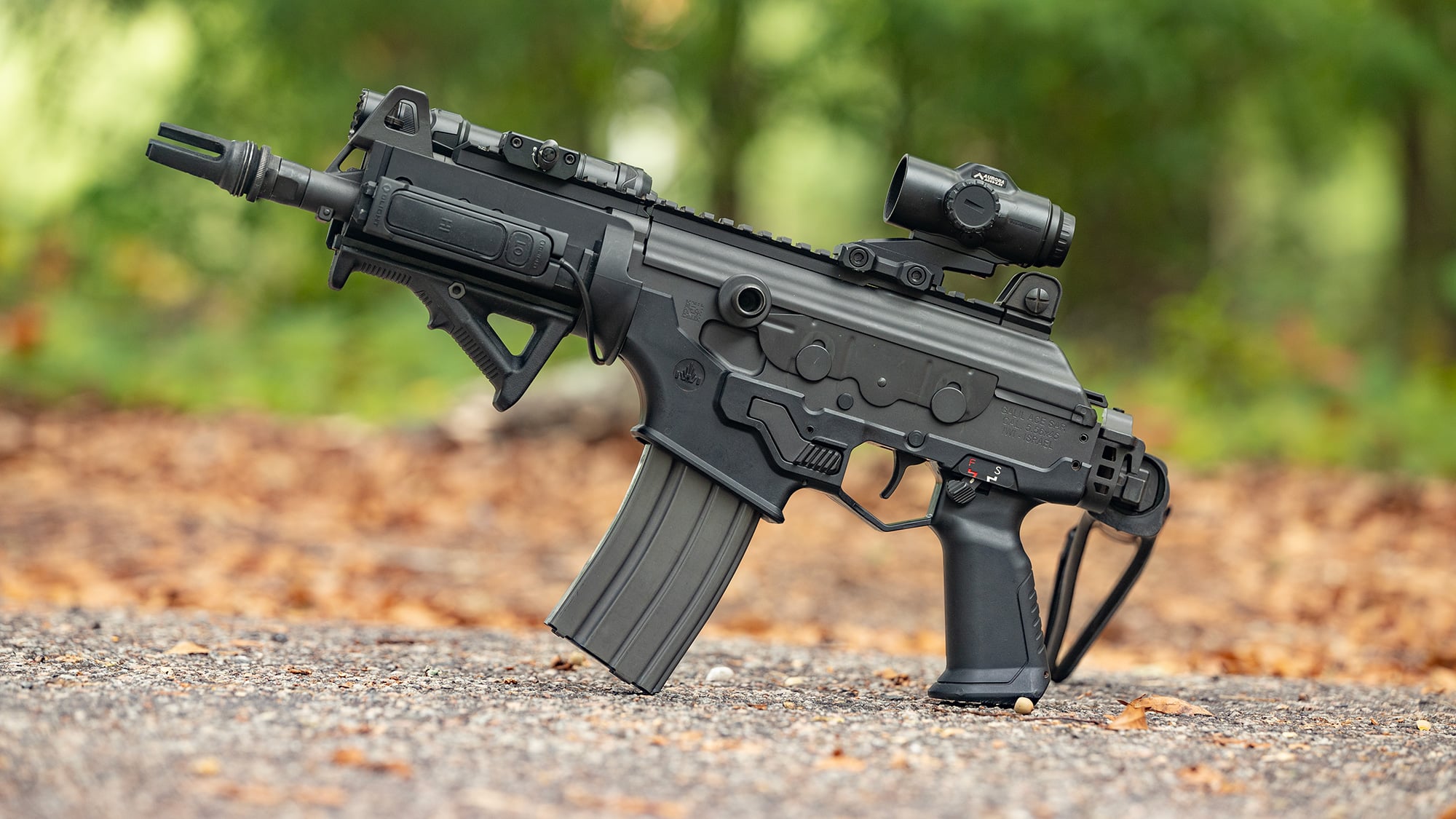
Back to the modern piston guns, though, these come in two major categories and function in one of two ways. They’re either modifications of existing direct impingement guns like the one from Adams Arms, or the completely unique upper like the SIG 516 and the HK 416.
Their differences are mostly just of price - conversion kits are cheaper than standalone units - but also of durability and longevity. In general, purpose-built uppers are more durable than conversion kits.
Furthermore, there are two types of piston AR-15s: short-stroke and long-stroke. Both utilize a piston to drive the bolt carrier group rearward, but how they accomplish this is slightly different. Long-stroke piston guns utilize a large piston permanently attached to the bolt carrier group, while short-stroke guns have the piston detached. So on the short stroke guns, the piston still drives into the BCG, but it is retained inside the gas tube and doesn’t travel with the carrier group.
What’s the functional difference?
Short stroke guns tend to be lighter and have less recoil, since the piston’s weight isn’t added to the BCG, and thus the shooter has less mass reciprocating with each shot, and thus less felt recoil. The downside of short-stroke piston guns is that their lack of mass means the guns are a little less reliable than long-stroke guns.
Which Ar-15 Gas System Should You Choose?
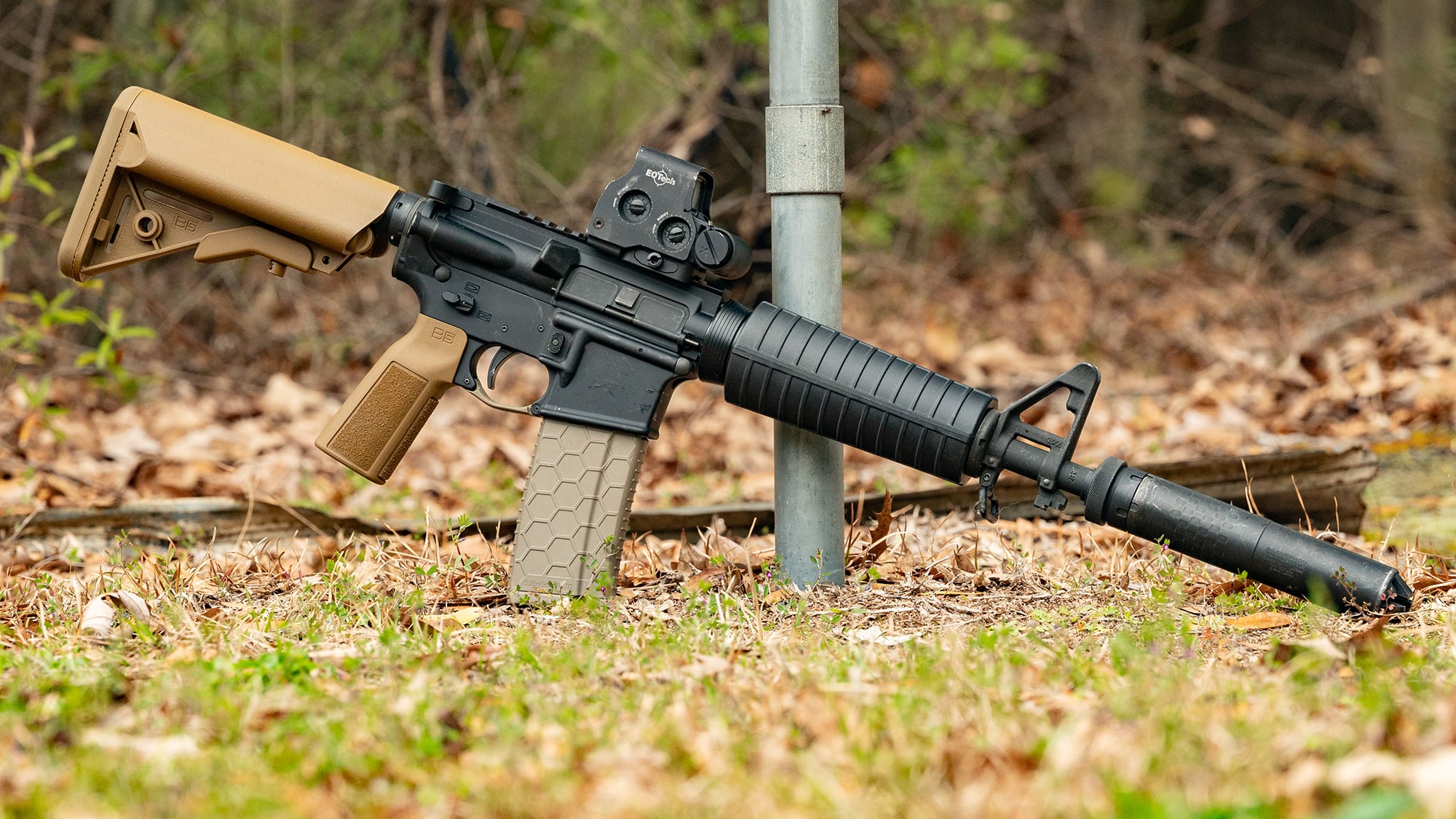
Like every in-depth guide will tell you, it depends. Use the guide above to make sure the barrel length of your AR-15 is compatible with the system you’re looking for, but for the most part, the longer the gas system, the more pleasant the gun is to shoot, but at the cost of reliability. As for the piston guns, they absolutely have their place in heavy use or full-auto weapons, but for the most part, the average shooter will be best served with a direct-impingement AR-15. Not just because it’s more accurate than piston guns, but because they are vastly lighter and better-balanced.
And a gun that is comfortable to carry and shoot is one they shooters will be most likely to practice and become proficient with. And ultimately, a shooter’s skillset has vastly more impact on their success than the equipment they’re using. I wish it weren’t true, but I simply can’t buy my way to being a peerless shooter; I have to earn it the same way you will - with practice and dedication.
