

If you’ve ever purchased a firearm online, you’re undoubtedly familiar with an FFL. FFL, or Federal Firearm License, is an individual who is legally licensed to either import, build, or deal in firearms in the United States. FFLs weren’t always a thing in the US but were established due to the 1938 Federal Firearms Act.
This act, among other things, restricted private firearms transfers across state lines in response to the rising gun violence of Prohibition-era America. Although the Gun Control Act of 1968 largely replaced this act, many of the components of the original Federal Firearms Act and National Firearms Act of 1934 were kept.
For our purposes, the most important part of these is how they restrict the sale of firearms across state lines, with the exception of long guns sold across contiguous state lines - IE, South Carolina, and Georgia.
Interestingly, this act didn’t just create one type of overarching FFL gun dealer but nine unique FFL types that designated what a licensee can and cannot do, so if you want to be able to correct your know-it-all buddy who says only Class 3 Dealers can sell or own machine guns, read on.
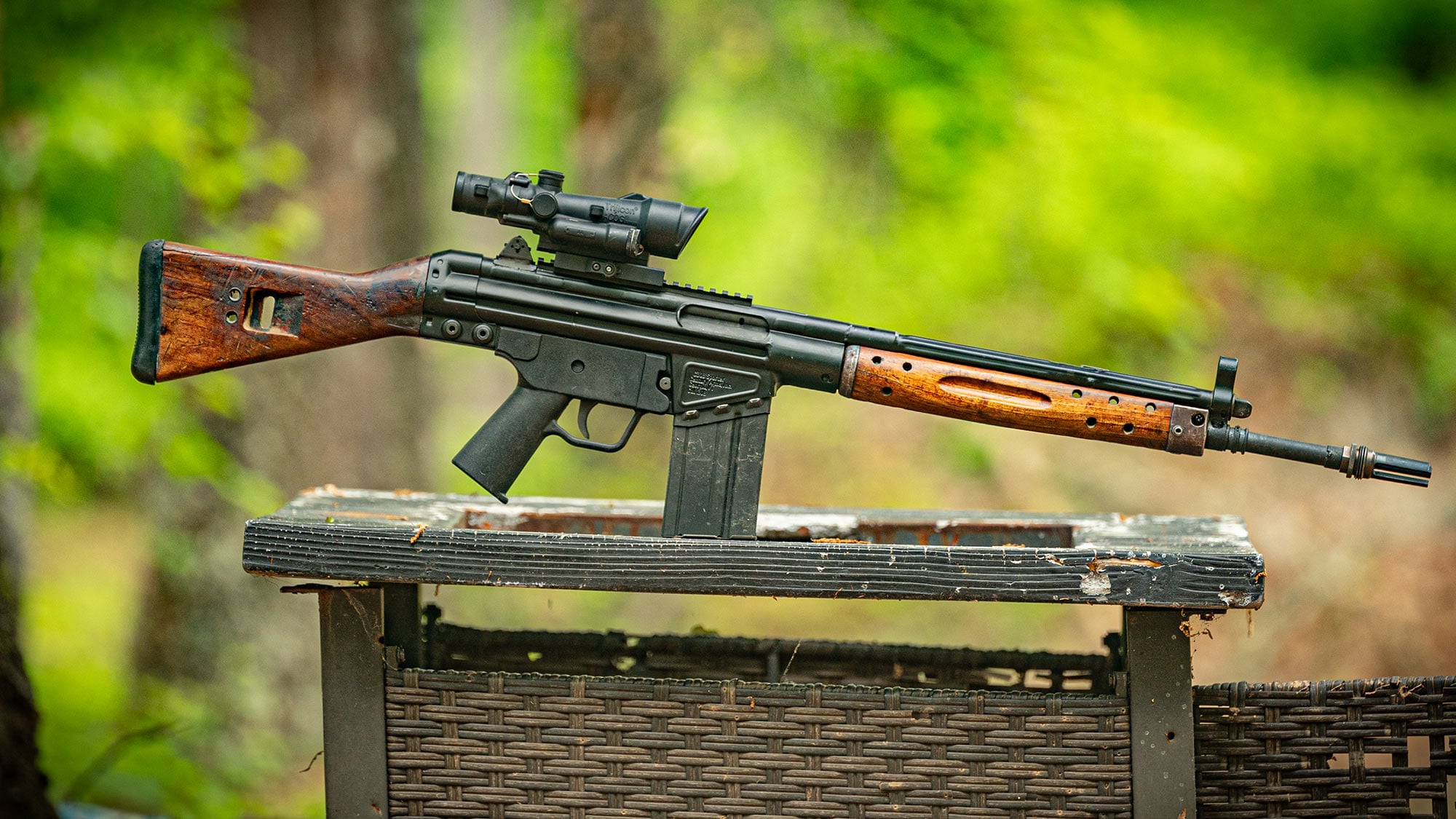
FFL Type 01 - Standard Dealer
FFL01 holders are your traditional gun shop owners. Places that sell firearms and transfer firearms from out-of-state individuals, manufacturers, or resellers. When you go to Bob’s Gun Emporium, Bob likely has an FFL 01. The most significant restriction on FFL 01s is that they cannot deal with NFA items or destructive devices.
The other business type with an FFL 01 license is your traditional gunsmith. Even though the gunsmith doesn’t fill out a 4473 when accepting a gun for work, the ATF still requires this. Presumably, it is because the shop or individual will have the firearm for some time. Interestingly enough, some gunsmiths told me that the ATF has advised them they don’t need to log guns released within 24 hours. But I’m not a lawyer, so your mileage may vary.
Lastly, a standard FFL 01 costs the dealer 200 dollars for the initial license, suitable for three years, and $90 to renew for another three.
FFL 02 - Pawnbroker
In the Southern United States, pawnshops are everywhere. And the vast majority of them also sell firearms. While these are usually pretty poor places to sell your guns (or anything), they are an excellent resource for finding old used guns.
But because they both buy and sell firearms, they need an FFL in the United States. And for some reason, the ATF believes they need a special FFL - the FFL 02. It’s not that mysterious. The biggest reason why an FFL 02 exists is because of pawning firearms. With a pawn shop, guns in the business’ possession are likely only to be there temporarily. Plus, statistically, pawned firearms are more likely to be used in crimes.
Like the FFL 01, FFL 02 licenses cost $200 initially and $30 for renewal.
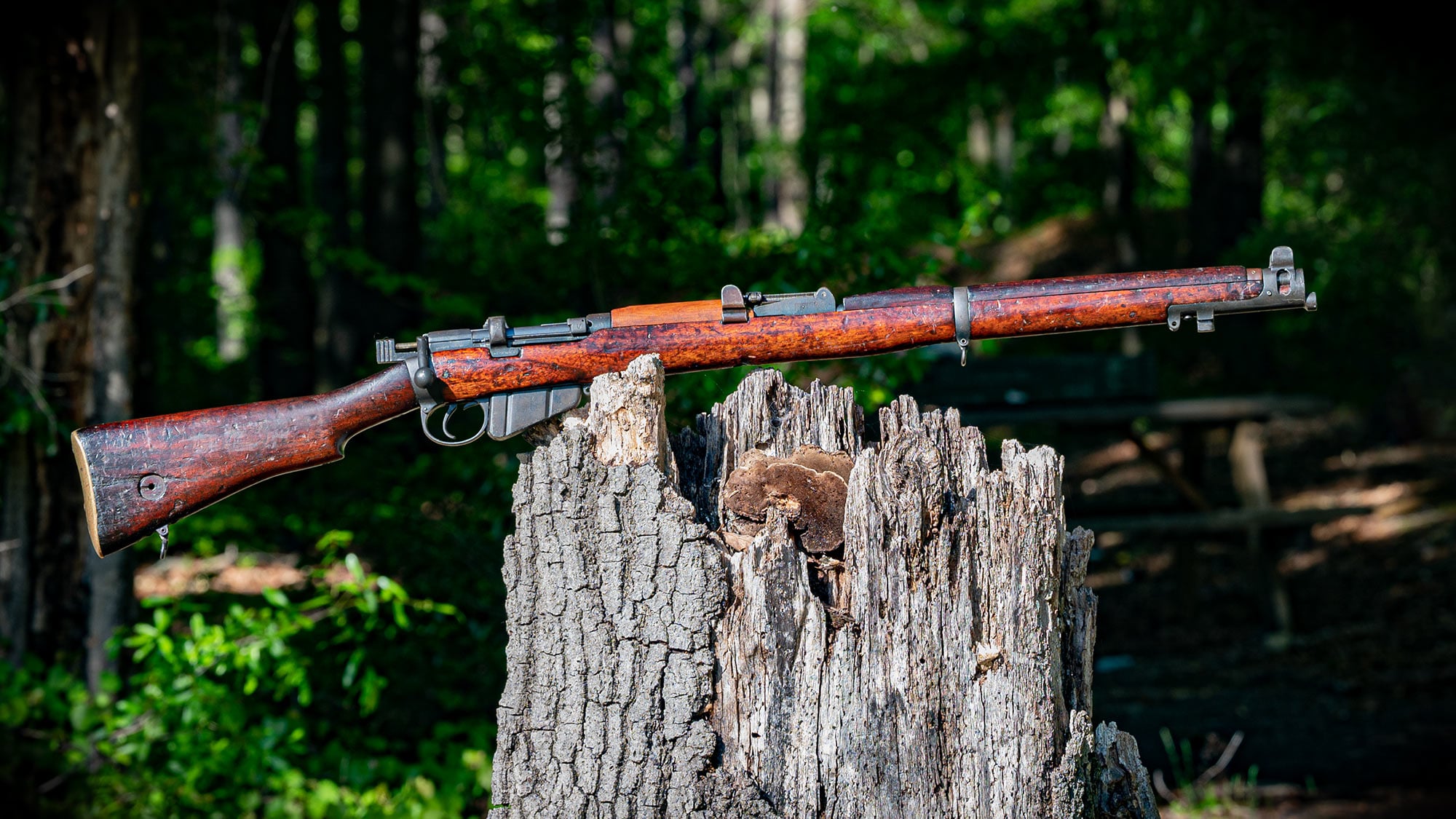
FFL 03 - Curio and Relics
These licenses used to be very popular among gun enthusiasts in previous decades. The ATF defines a curio and relic as a gun built 50 or more years from the current date. This type of FFL isn’t actually for dealing with firearms; it is for collectors of unique and older guns. The benefit of this type of FFL is that it allows holders to order guns directly to their homes without having to transfer the gun to an FFL 01.
Also, FFL 03 holders can transfer to other FFL 03 holders in different states, but not individuals. That said, if an FFL 03 owns a C&R gun that they purchased in the past without the intention of reselling, they can legally transfer/sell it to an individual in the same state without issue. Though be warned, doing so repeatedly, or soon after transferring the gun to yourself, can give the appearance of trying to skirt the law to the ATF and may result in a visit from the ATF or revocation of your license.
FFL 03s only cost $30 for three years and $30 for renewal.
FFL 06 - Ammo Manufacturer
No, I’m not talking about Bubba’s smokin’-hot handloads brave shooters buy in sandwich bags at gun shows, but actual ammunition manufacturers. (Depending on how many rounds Bubba sells, he may need a license.) This license covers companies like Federal, Hornady, and Winchester, which sell ammunition as a business. If an individual loads a few rounds for themselves and later decides to sell them, they do not need this license. However, as a personal piece of advice, they should have some excellent insurance to cover their liabilities.
There are two stipulations, though—FFL 06s cannot create or sell armor-piercing ammunition or explosive rounds, AKA destructive devices. Fun Fact: For legally owned explosive launchers like grenade or rocket launchers, each round must have a tax stamp. FFL 06 licenses are fairly inexpensive, at $30 for the license itself and a $30 renewal fee.
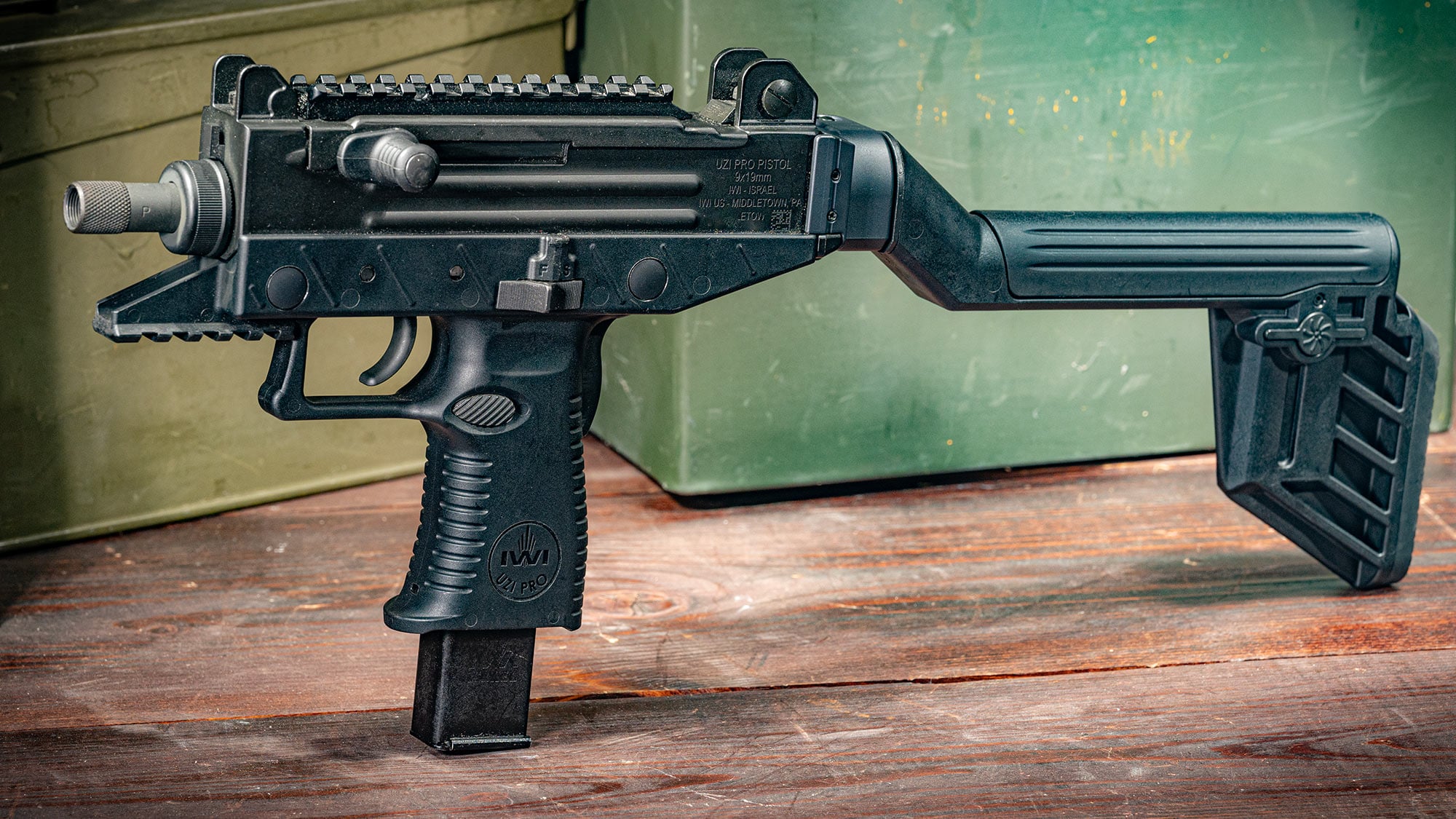
FFL 07 - Arms Manufacturer
An FFL 07 license is for businesses that make or assemble firearms as part of their business. The FFL 07 isn’t for a shooter who helps their friend put an AR-15 together, but the ATF has been a little gray on build parties. These licenses are for companies like Remington, Ruger, Colt, and Palmetto State Armory, which manufacture firearms.
If you intend to make money building/assembling AR-15s on a regular basis, you should get this license. Remember that an FFL 07, just like all the FFLs mentioned above, requires a physical location except for an FFL 03.
That location is subject to all laws and rules (and audits of these rules) regarding safe weapon storage, etc. The number of regulations and how they’re applied could fill a dictionary. So, if you’re looking to start a business building guns, I recommend reading up further and contacting the ATF for more information.
An FFL 07 costs $150 initially and $150 every three years to renew.
FFL 08 - Firearms and Ammunition Importer
The FFL 08 license is for businesses like Century Arms, Atlantic Firearms, and Royal Tiger Imports, which imports firearms from other countries to sell in the United States. This license is not for importing destructive devices, ammo for destructive devices, or armor-piercing ammunition.
If you want to become the next Century Arms importing huge swathes of AKs or other firearms from overseas (which are 922r-compliant), this is the license for you. An FFL 08 costs $150 upfront and $150 every three years to renew the license.
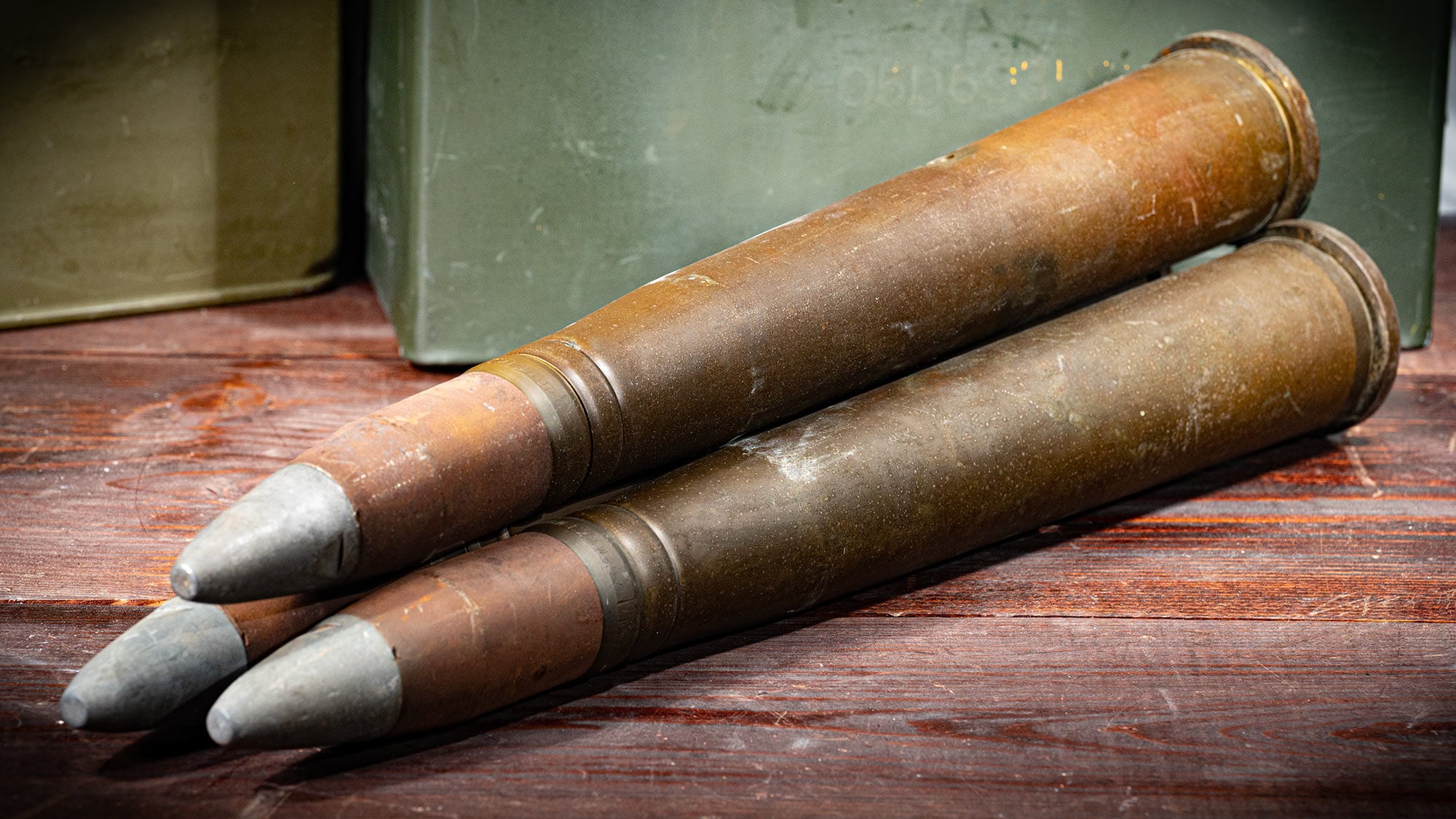
FFL 09 - Destructive Device Dealer
You might be wondering, what exactly is a “Destructive Device” in the eyes of the ATF? Here’s the legal definition per 26 USC § 5845(f)
“The term “destructive device” means (1) any explosive, incendiary, or poison gas (A) bomb, (B) grenade, (C) rocket having a propellant charge of more than four ounces, (D) missile having an explosive or incendiary charge of more than one-quarter ounce, (E) mine, or (F) similar device; (2) any type of weapon by whatever name known which will, or which may be readily converted to, expel a projectile by the action of an explosive or other propellant, the barrel or barrels of which have a bore of more than one-half inch in diameter, except a shotgun or shotgun shell which the Secretary finds is generally recognized as particularly suitable for sporting purposes; and (3) any combination of parts either designed or intended for use in converting any device into a destructive device as defined in subparagraphs (1) and (2) and from which a destructive device may be readily assembled. The term “destructive device” shall not include any device that is neither designed nor redesigned for use as a weapon; any device, although originally designed for use as a weapon, which is redesigned for use as a signaling, pyrotechnic, line throwing, safety, or similar device; surplus ordnance sold, loaned, or given by the Secretary of the Army pursuant to the provisions of section 7684(2) , 7685 , or 7686 of title 10 , United States Code ; or any other device which the Secretary finds is not likely to be used as a weapon, or is an antique or is a rifle which the owner intends to use solely for sporting purposes.”
In layman’s terms, anything that is explosive with a charge greater than one-quarter of an ounce and a firearm with a bore larger than half an inch, with the exception of shotguns and black powder firearms.
Essentially, an FFL 09 is for businesses that sell explosives like grenades, mines, and rockets. The FFL 08’s initial license fee is $3,000, while renewing that license for another three years is an additional $3,000.
FFL 10 - Destructive Devices and Armor-Piercing Ammo Manufacturer
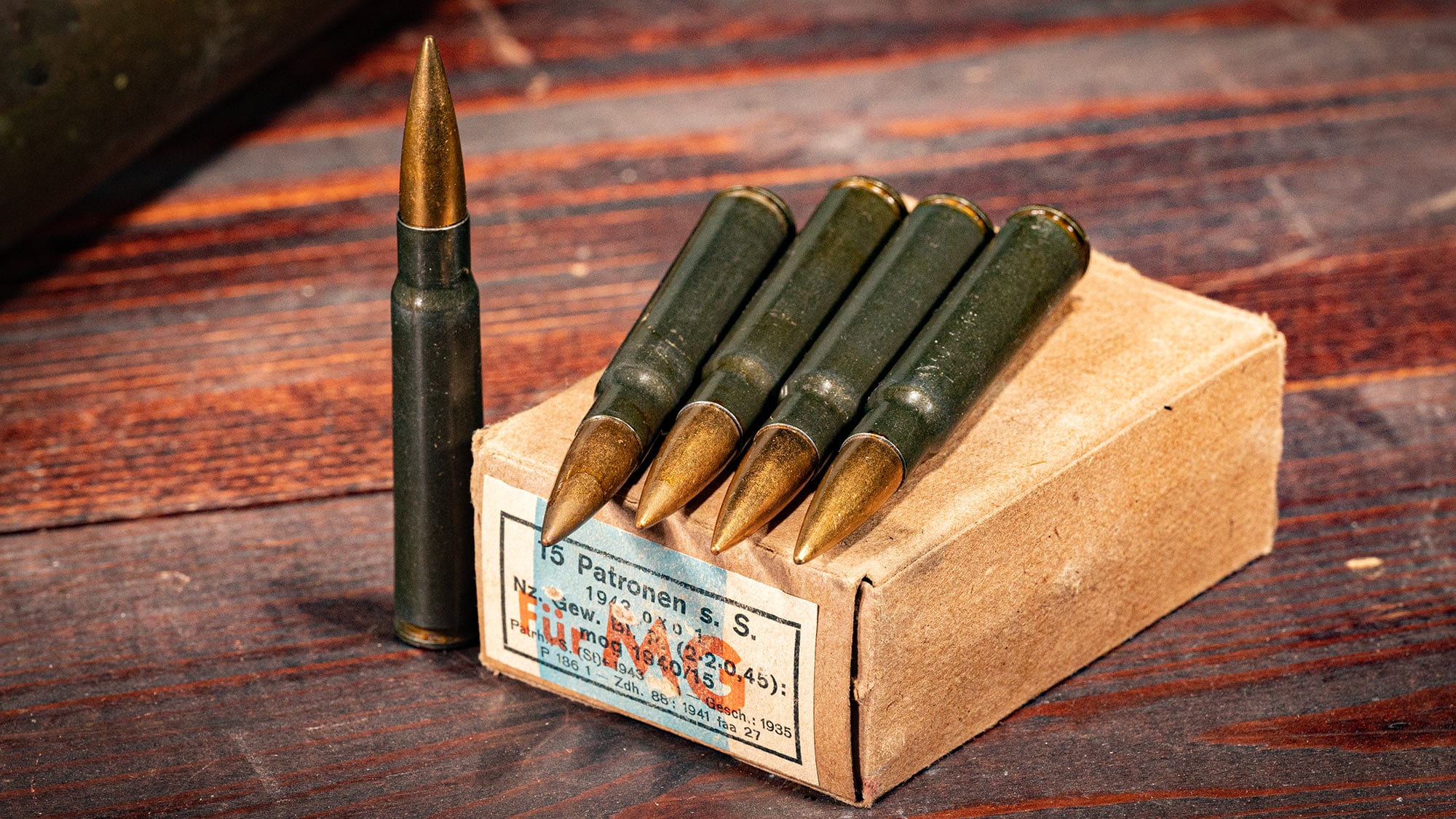
Want to arm US forces with the latest and greatest in hand-held firepower or supply 155mm Howitzer shells to hungry guns in the States? You need an FFL 10. This license covers manufacturing things like the M79 grenade launcher, the M203 under-barrel launcher, the 40mm HE shells that both launchers fire, and armor-piercing ammunition.
Like the FFL 09, the FFL 10 requires $3,000 upfront and $3,000 every three years to renew.
FFL 11 - Importer of Destructive Devices and AP Ammo
The FFL 11 license is exactly what it sounds like - permission from the government to import destructive devices, those devices’ explosive ammunition, and armor-piercing ammunition from other countries into the United States.
But what about class-three dealers? Aren’t there special NFA-specific gun shops shooters have to use to transfer NFA-regulated items like suppressors and short-barreled rifles?
Special Occupational Taxpayer - SOT
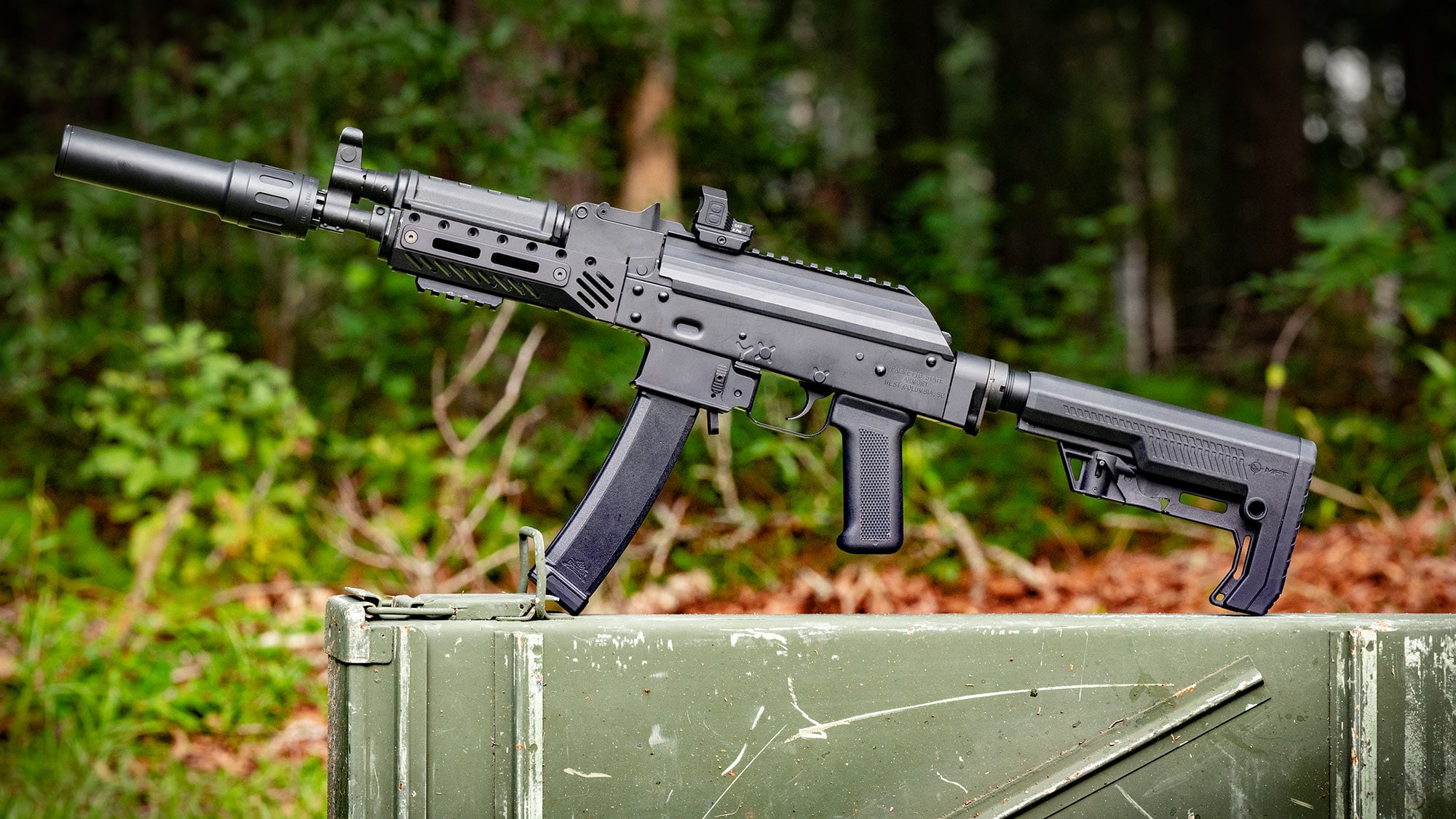
Indeed, they aren’t particular dealers, per se, but dealers who pay a special tax allowing them to deal with NFA items. This status is known as SOT or Special Occupational Taxpayer status.
An FFL that pays this special tax every year is permitted to deal with NFA items and act as a go-between for qualified individuals and NFA sellers. Does that mean that the only way for an individual to obtain an NFA item legally is to go through an FFL with an SOT?
No.
Individuals can still utilize an ATF Form 1 to register a device that they themselves build. The build is a bit of a misnomer since swapping a barrel on a carbine or rifle for one under 16 inches constitutes building. The same is true for shooters who attach a brace to a pistol with a barrel under 16 inches.