

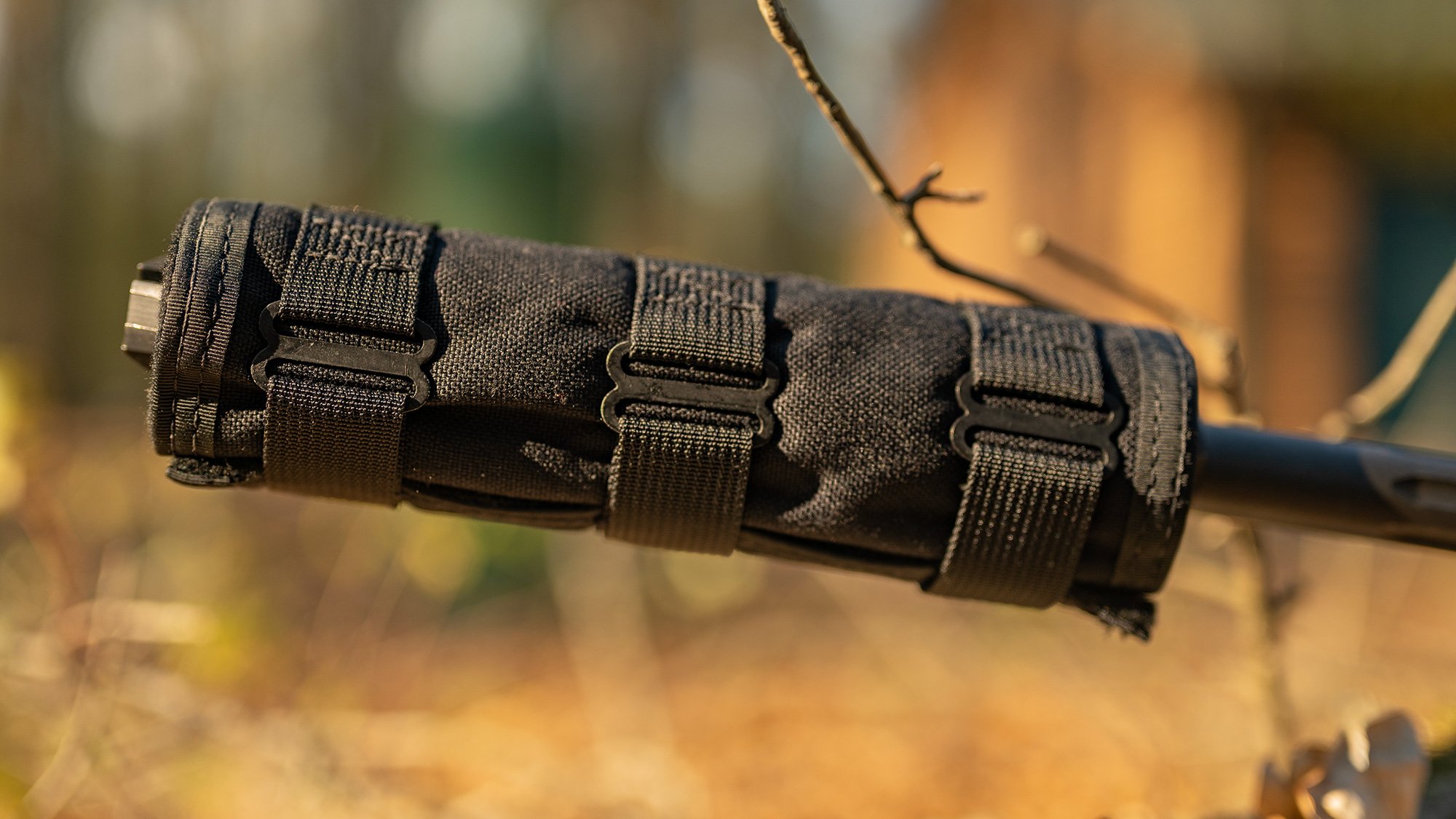
Have you ever seen an action movie with a tough special forces guy kitted out with all kinds of bleeding-edge gear, including a suppressed rifle with its suppressor covered in some kind of fabric wrap, and wondered, “What is that?” That is a suppressor cover.
Although its name is supremely unhelpful in describing its function, suppressor covers are vital equipment for anyone who uses a suppressed rifle for serious work. But choosing the correct one, and for that matter, whether you need one or not, depends on your needs for your given gun. So, with that out of the way, let’s take a deep dive into the world of suppressor covers.
What Do People Wrap Their Suppressors With?
At a glance, suppressor covers appear to be made out of any number of terrible materials. Several door-kickers look like they simply wrapped their can with fabric and bound it with chicken wire - but looks can be deceiving.
All modern suppressor covers are constructed from heat-resistant materials like Kevlar, Nomex, fiberglass, Cordura or some form of silicone. That is because suppressors get ludicrously hot. We’re talking temperatures ranging from 100 degrees Fahrenheit up to 500 and even 800 degrees. (Note: If your suppressor is 800 degrees, let it rest - it’s likely to pop from the material wear combined with the high pressure of rifle rounds.)
For everyday use, most shooters will want a simple Kevlar sleeve with an elastic outer component to keep the cover on their can. The only issue with Kevlar covers is that they can be a little bulky, and if they catch something while you’re carrying the gun, they will most likely come off the gun. This might seem inconsequential right up to the point that the now exposed hot suppressor rests on your clothing or exposed skin.
I once had a good friend of mine at SHOT Show Media Day at the Range place a suppressed demo gun back on a wrack incorrectly, and when it started to fall, he instinctively caught it - by the suppressor! Several hours of waiting in the VA hospital waiting room later and my buddy had a gnarly scar covering the palm of his now mummified hand. Lesson learned: (and this applies to all guns) if you drop a firearm, don’t try to catch it - especially if it’s loaded! No scratch or dent on a gun is worth getting shot over.
Silicone suppressor covers are great for low-profile use and barely stand out. The only downside is that they aren’t as durable. So, if you carry your rifle in the slung position, expect to replace the covers every couple of years.
Do You Really Need a Suppressor Cover?
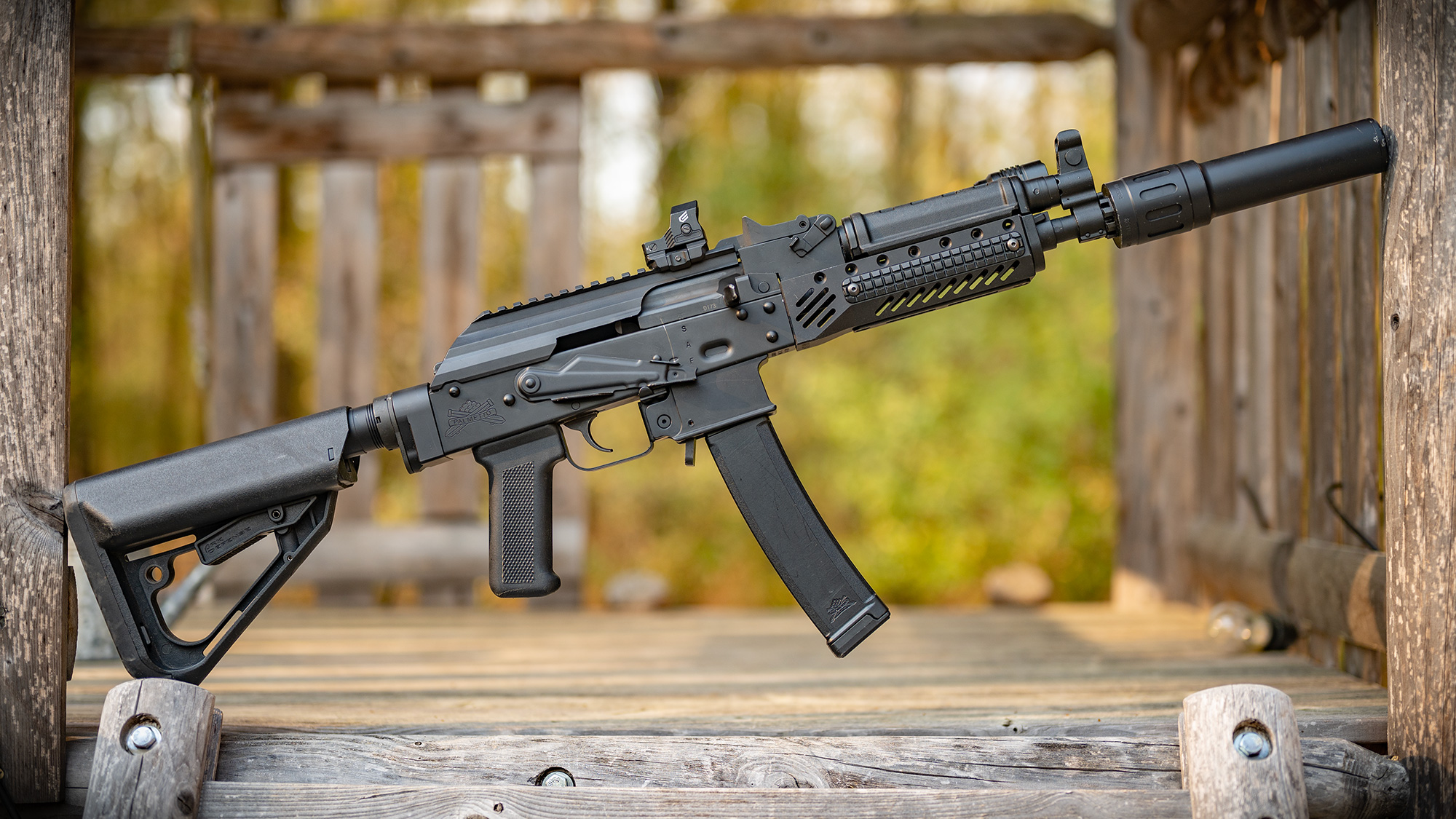
Do you need a suppressor cover for your can? It really depends on the suppressor and how it’s being used. As a general rule, if you’re running a pistol suppressor or rimfire suppressor on anything not fully automatic, you don’t really need a suppressor cover. These cans certainly get hot, but nowhere near as hot as a suppressor with supersonic rifle rounds fired through it. One exception would be for rapid firing during intense plinking sessions or training. With a high enough round count, your pistol suppressor won’t have enough time to cool, and the cumulative heat can make obtaining a sight picture very tricky, but there will be more on that and mirage later.
It also depends on your barrel length since shorter barrels will have much more of the hot expanding gas of a detonated round captured inside the suppressor. For instance, my personal AP53 SBR 5.56mm rifle has a very short 8.2-inch barrel. When I run my 5.56mm suppressor on that gun, it gets unsafe to handle after half a magazine.
Alternatively, my giant .45 ACP suppressor mounted on my lever-action Henry chambered in .38 special will never get hot enough to be unsafe to handle. This is due to a combination of long barrel, low-pressure round, and restricted rate of fire since the Henry is manually operated. If you want a real-world example of just how quickly a suppressor can heat up, I’ve trained with SWAT officers who run 10.5in PSA M4 carbines in full auto suppressed. After a single magazine, the suppressor is hot enough to fry an egg!
Another thing to consider is that suppressors don’t just get hot; they stay hot. If you’re running a suppressed gun hard in a training course or combat scenario, the brief intermission between shooting strings isn’t nearly enough for the suppressor to cool down. In my personal experience, a steel rifle suppressor takes about 30 minutes in an air-conditioned room to reach a safe temperature. If you’re outside here in sunny South Carolina in the summer, the suppressor might never reach a comfortable temperature unless it's in the shade.
Lastly, a suppressor cover is essential for long-range shooters, especially. If you’ve ever looked over the hood of a car parked in the sun, you know exactly why: mirage. The difference in temperature between the air touching the suppressor and the air beside it causes the air to have different molecular densities. This affects how light passes through it and causes distortion we call mirage.
It is impossible to obtain a proper sight picture when looking through iron sights at a target beyond a hot suppressor. Magnified optics alleviate this somewhat, but they don’t eliminate it entirely. The last thing a precision shooter wants to deal with when attempting a difficult long-range shot is their target seemingly stretching and compressing. A Kevlar suppressor cover will keep that heat from escaping as rapidly as possible and heavily reduce the visible mirage. So, can you shoot with a suppressor cover? Yes.
Suppressor Covers: Must-Have or Pointless Accessory?
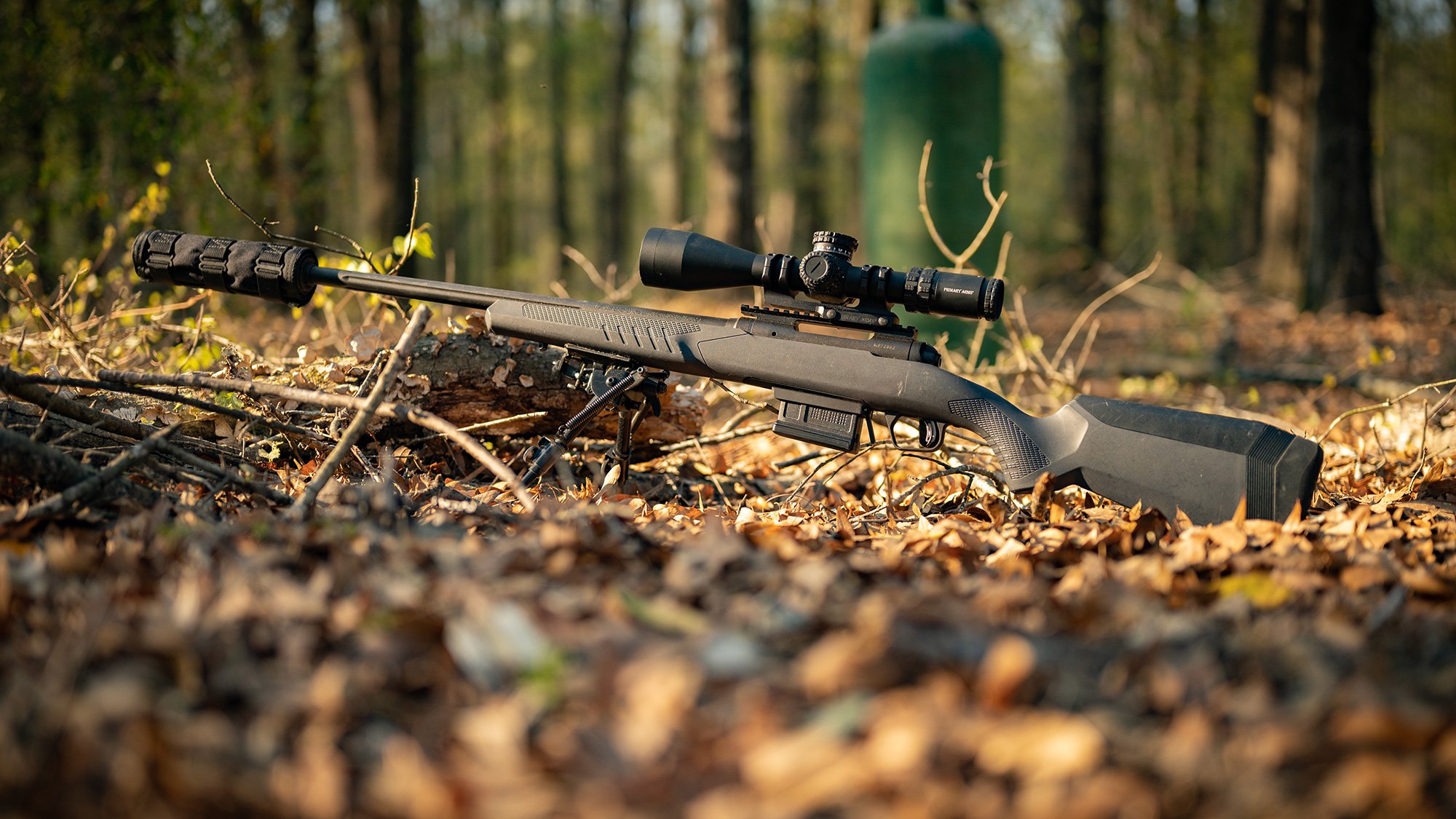
I don’t tend to run suppressor covers unless I anticipate a high-round-count shooting session or I’m shooting in a very hot environment with direct sunlight. But for those times when I may need to hang a suppressed weapon on my person with a sling, they are an absolute must. For new shooters looking to run a rifle with a dedicated can, I would highly recommend they purchase one. You might not need them, but they’re relatively inexpensive and a God-send when you do need one.
They also prevent damage to your suppressor if you mistakenly rest it on a piece of non-heat-resistant fabric while it’s hot. (Ask me about the permanently melted-on piece of nylon on my 30-caliber suppressor!) Ultimately, suppressor covers are a cheap piece of insurance against burning yourself or having an obfuscated sight picture. You’ll never need it on your .22lr pistol or rifle, but for any serious-use suppressed firearms, they are a solid investment.

