
Polymer vs Aluminum AR-15 Magazines: Which Is Better?
Thirty years ago, many shooters were skeptical of polymer magazines. Early polymer designs had a mixed reputation, and some models earned unflattering nicknames due to durability concerns.
Today, polymer magazines are everywhere. They are common in AR-15s, Glocks, and many other modern firearms. So does that mean polymer magazines are clearly better than aluminum magazines?
Not exactly.
Polymer AR-15 magazines and aluminum AR-15 magazines both have real advantages. The better choice depends on how you use your rifle, how you store your magazines, and what matters most to you: weight, durability, cost, long-term storage, or compatibility.
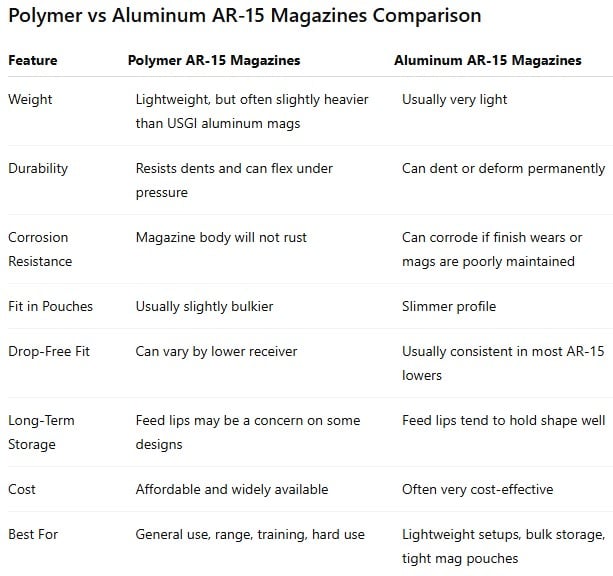
Quick Answer: Polymer vs Aluminum AR-15 Magazines
For most shooters, polymer AR-15 magazines are a great all-around choice because they are durable, corrosion-resistant, and widely available. Aluminum AR-15 magazines are still an excellent option for shooters who want lightweight, slim, proven magazines with a long military track record.
Neither option is perfect. Both AR-15 mag options can be reliable when made well and maintained properly.
Aluminum vs Polymer AR Magazines: What’s the Difference?
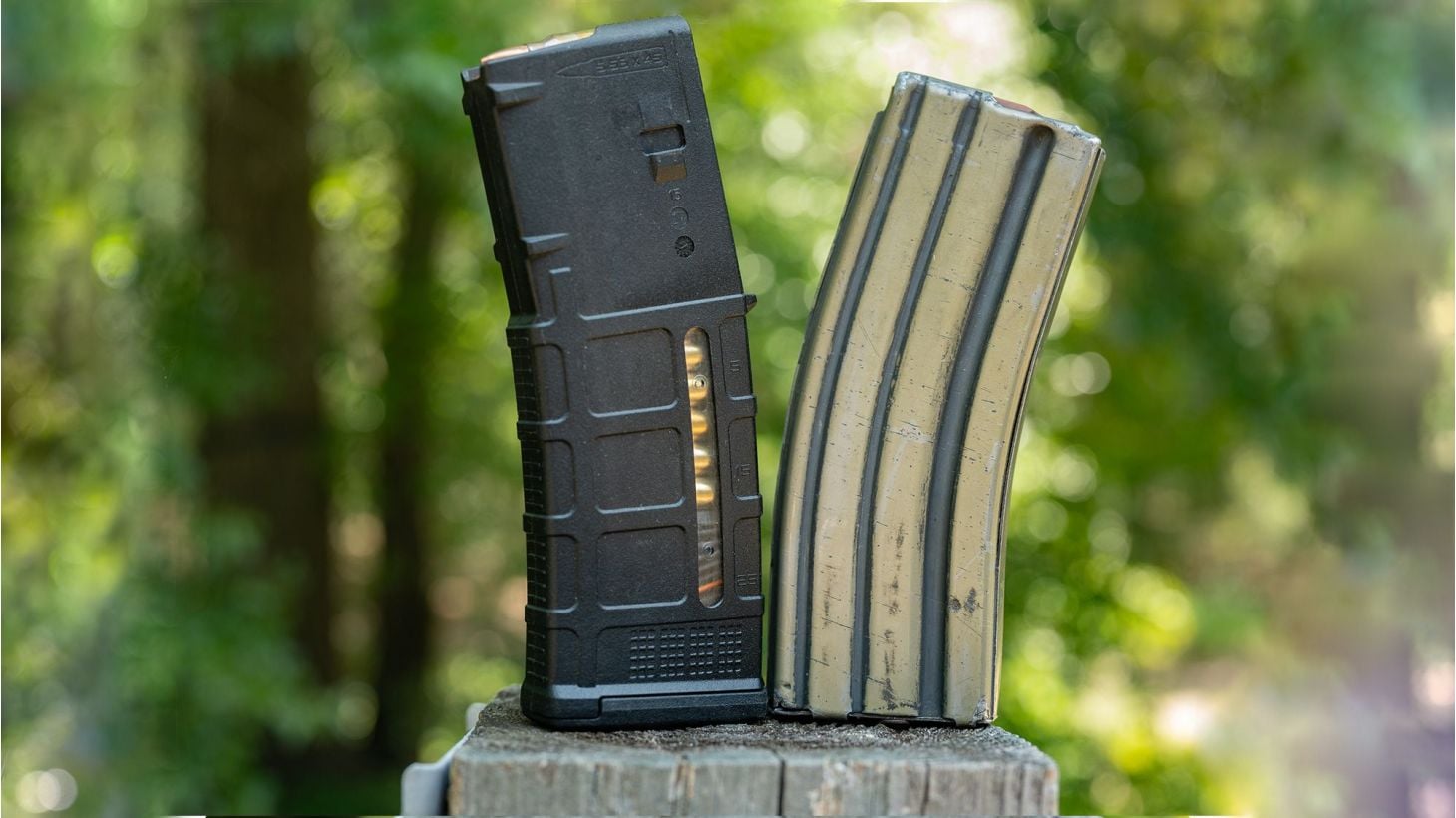
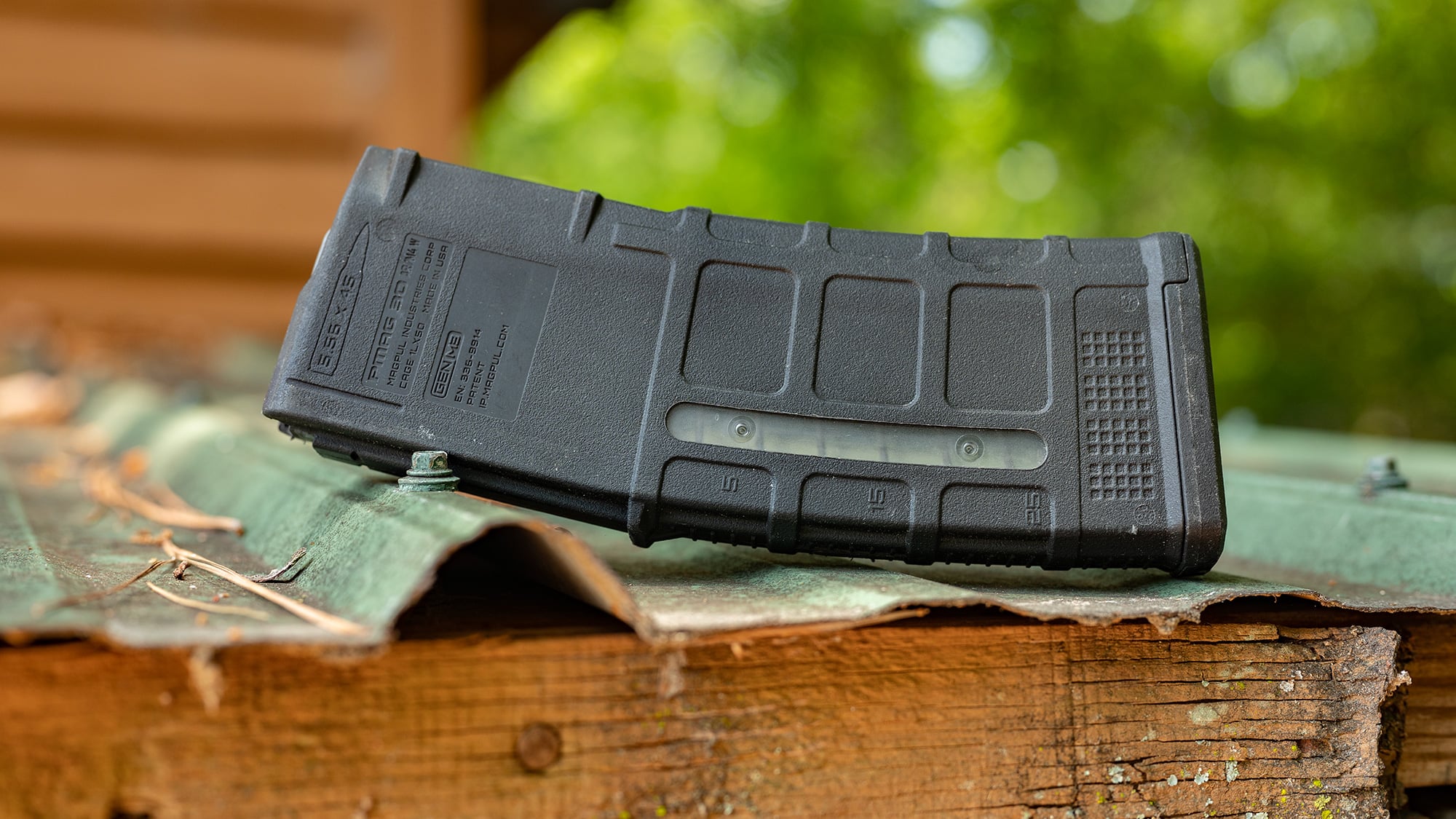
The difference between aluminum and polymer magazines lies in the material used in the magazine body. As their names imply, aluminum magazines feature an aluminum body, while polymer ones use plastic. But that doesn’t really tell you much in and of itself. The real difference between the two is weight, but even that is an oversimplification. Essentially, there are four major factors that come into play when comparing the two types.
- Weight - As I mentioned earlier, weight is the biggest difference between the two magazines. Polymer is much lighter than aluminum. That said, aluminum can be lighter because, in some ways, more durable. So, with the reinforced ribs featured on standard aluminum USGI magazines, they’re actually half an ounce lighter than the gold standard of polymer AR-15 magazines, the Magpul PMAG.
So even though it’s somewhat counterintuitive, aluminum magazines are markedly lighter than polymer ones. So if your only metric of success is the overall weight of your kit, aluminum magazines are a superior choice. - Durability - Here’s another aspect of the magazines that is generally misunderstood. While metal is more durable than polymer if the thickness of both is identical, polymer magazines are actually more durable than aluminum and even steel ones. This is to the elasticity of the polymer. While aluminum magazines are harder to deform than polymer mags, if they’re dented, they stay deformed.
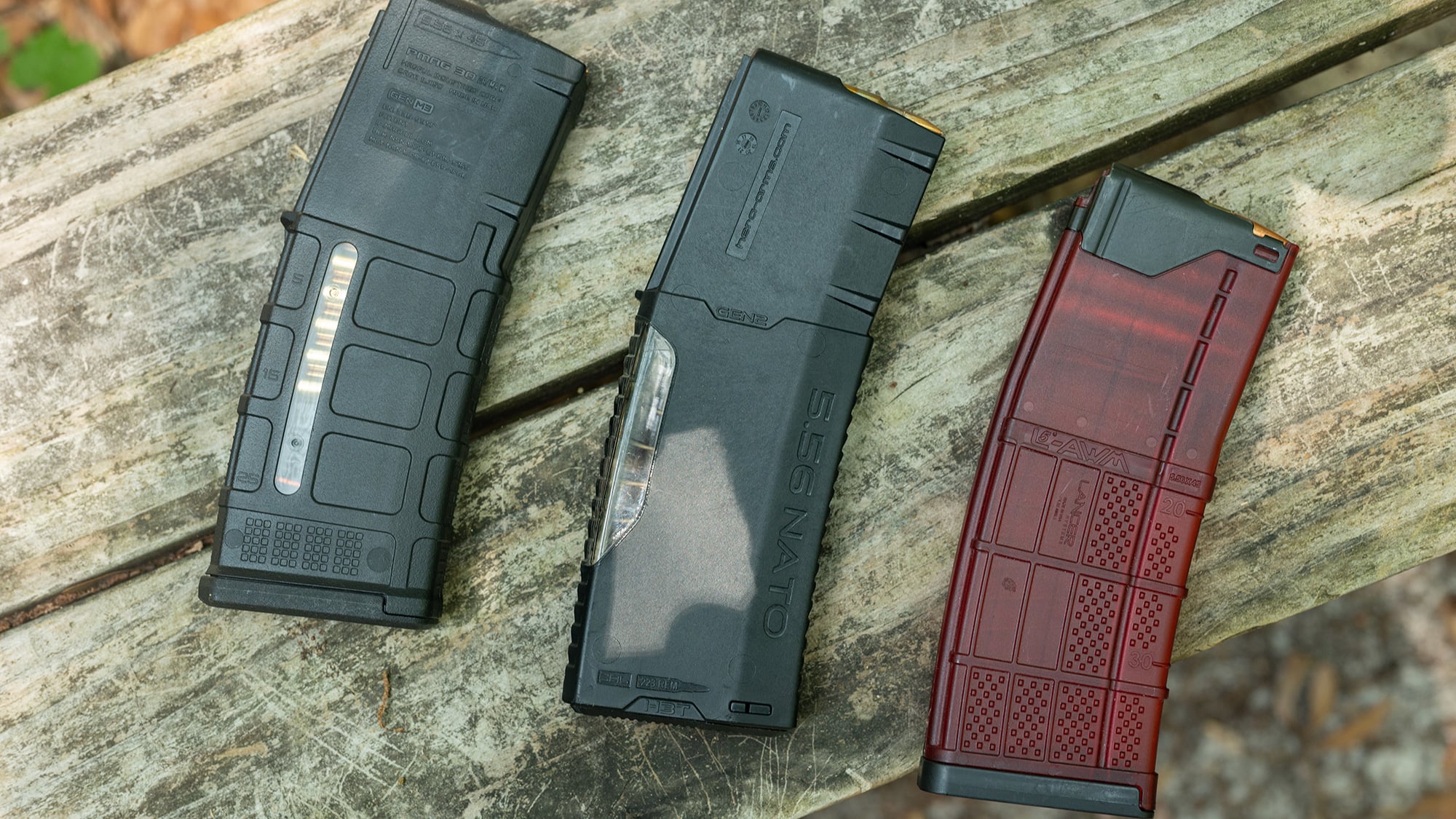
Polymer magazines, on the other hand, will return to their original shape if partially crushed or deformed. Obviously, if you smash the polymer magazine flat, it’s broken forever, but the same is true for all metal magazines as well. So if shooters want the most durable magazines possible, they should choose polymer magazines like the Magpul PMAG or the Lancer L5 AWM. - Corrosion Resistance - Here we have a category that seems like an obvious win for polymer magazines, but it’s not quite such a clean-cut victory. Polymer magazines can’t really rust - yes, their springs can, but the magazine itself will not rust in high-humidity environments. This makes these magazines especially attractive to shooters living in high-humidity areas, such as coastal or tropical regions like southern Florida or the Gulf Coast.
That said, polymer magazines aren’t totally immune to corrosion, just humidity-driven corrosion. They are susceptible to corrosive damage from strong solvents like gun cleaners, but thankfully, the most popular brand - Magpul - is immune to dissolving in insect repellent like DEET. Yes, there was a rumor going around about this circa 2012 because the USMC temporarily restricted the use of the magazines. But this was due to the Gen 1 PMAGs having compatibility issues with the new Marine LMG, the M27.
Why AR-15 Magazine Material Matters
At this point, some readers are probably wondering why any of this matters. After all, magazines are consumable items. They wear out, get dropped on concrete, crushed under gear, and eventually replaced. Why spend so much time debating aluminum versus polymer?
Because the magazine is arguably the most important component in a semiautomatic rifle.
The AR-15's reliability is largely dependent on the quality and condition of its magazine. A premium rifle fed by a bad magazine will malfunction far more often than a budget rifle fed by a quality one. Feed lip geometry, follower design, and spring tension all matter, but the material used to construct the magazine body influences all of those factors.
The magazine body must maintain its shape under pressure. It has to survive impacts, environmental exposure, and thousands of loading cycles while keeping ammunition positioned correctly for feeding. If the magazine body deforms, reliability suffers.
This is where the aluminum versus polymer debate becomes relevant.
Aluminum magazines have served American troops for decades. Millions of USGI magazines have been produced, carried, and used in combat zones around the world. Their track record is extensive and well-documented.
Polymer magazines, meanwhile, have become the dominant choice among civilian shooters, law enforcement officers, and an increasing number of military units. Companies such as Magpul, Lancer, and Hexmag have spent years refining designs that capitalize on the strengths of modern polymers while minimizing their weaknesses.
Neither design is perfect. Each comes with tradeoffs that shooters should understand before investing heavily in one system.
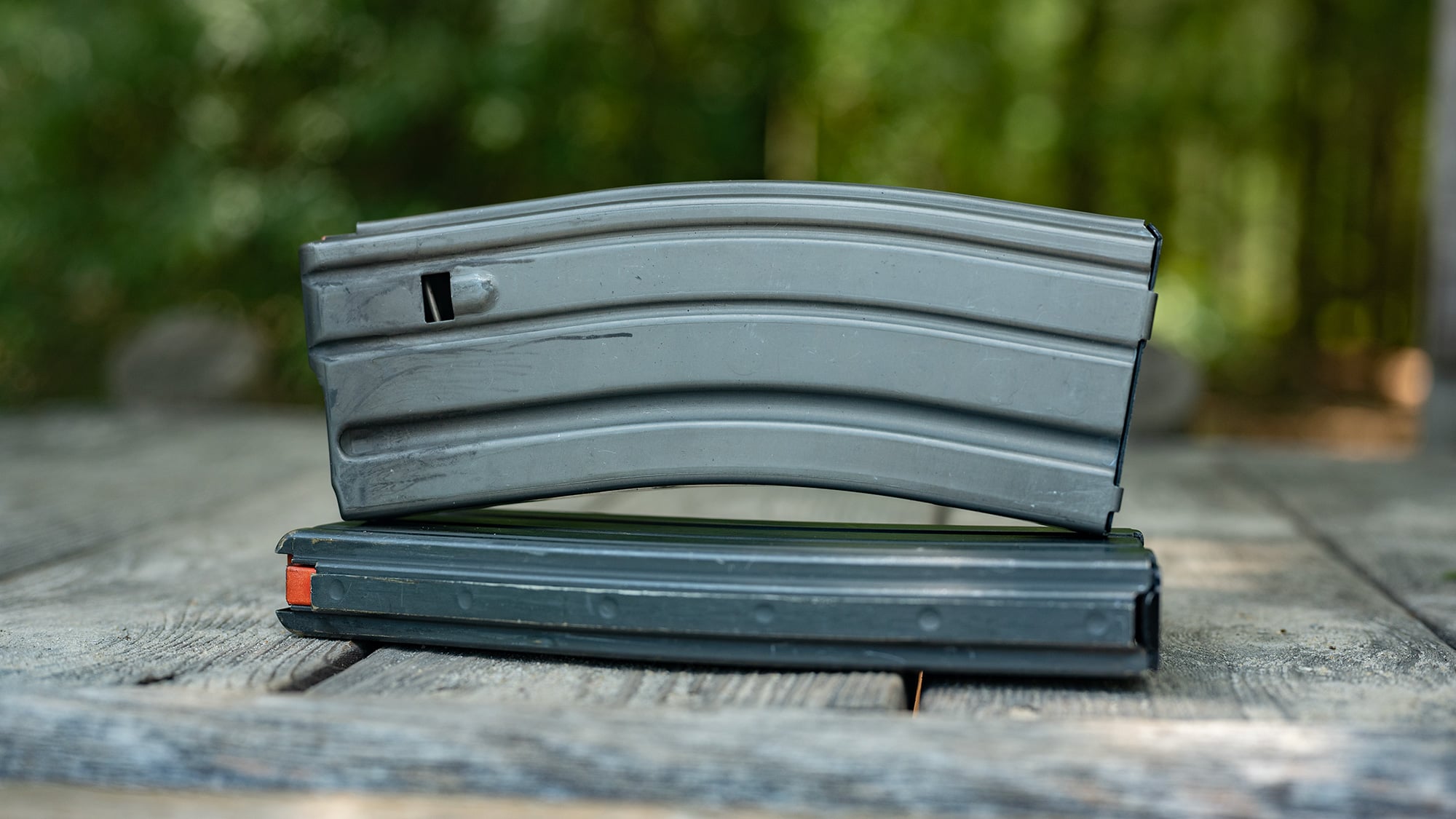
Benefits of Aluminum AR Magazines
The biggest advantage of aluminum magazines remains their weight.
A standard USGI-pattern aluminum magazine typically weighs slightly less than a comparable polymer magazine. The difference may only be a fraction of an ounce per magazine, but those ounces add up. A shooter carrying seven loaded magazines on a plate carrier could save several ounces simply by choosing aluminum.
That may not sound significant while standing at the gun counter, but ounces become pounds after a long day on the range or in the field.
Aluminum magazines are also thinner than most polymer designs. This allows them to fit more easily into tightly packed magazine pouches. Anyone who has tried stuffing three PMAGs into a pouch designed around older USGI magazines knows exactly what I'm talking about.
Feed lip longevity is another area where aluminum magazines perform surprisingly well. While polymer feed lips can eventually spread after years of storage under spring tension, aluminum feed lips tend to maintain their dimensions exceptionally well. This is one reason military organizations continue to trust aluminum magazines for long-term storage programs.
Aluminum magazines also tend to drop free more consistently across a wider variety of lower receivers. Because their dimensions are standardized and relatively thin, they generally work well with rifles that have tighter magazine wells.
Cost is another consideration.
While premium polymer magazines have become affordable, basic USGI aluminum magazines remain some of the least expensive quality magazines available. Shooters building large stockpiles often find aluminum magazines to be a cost-effective option.
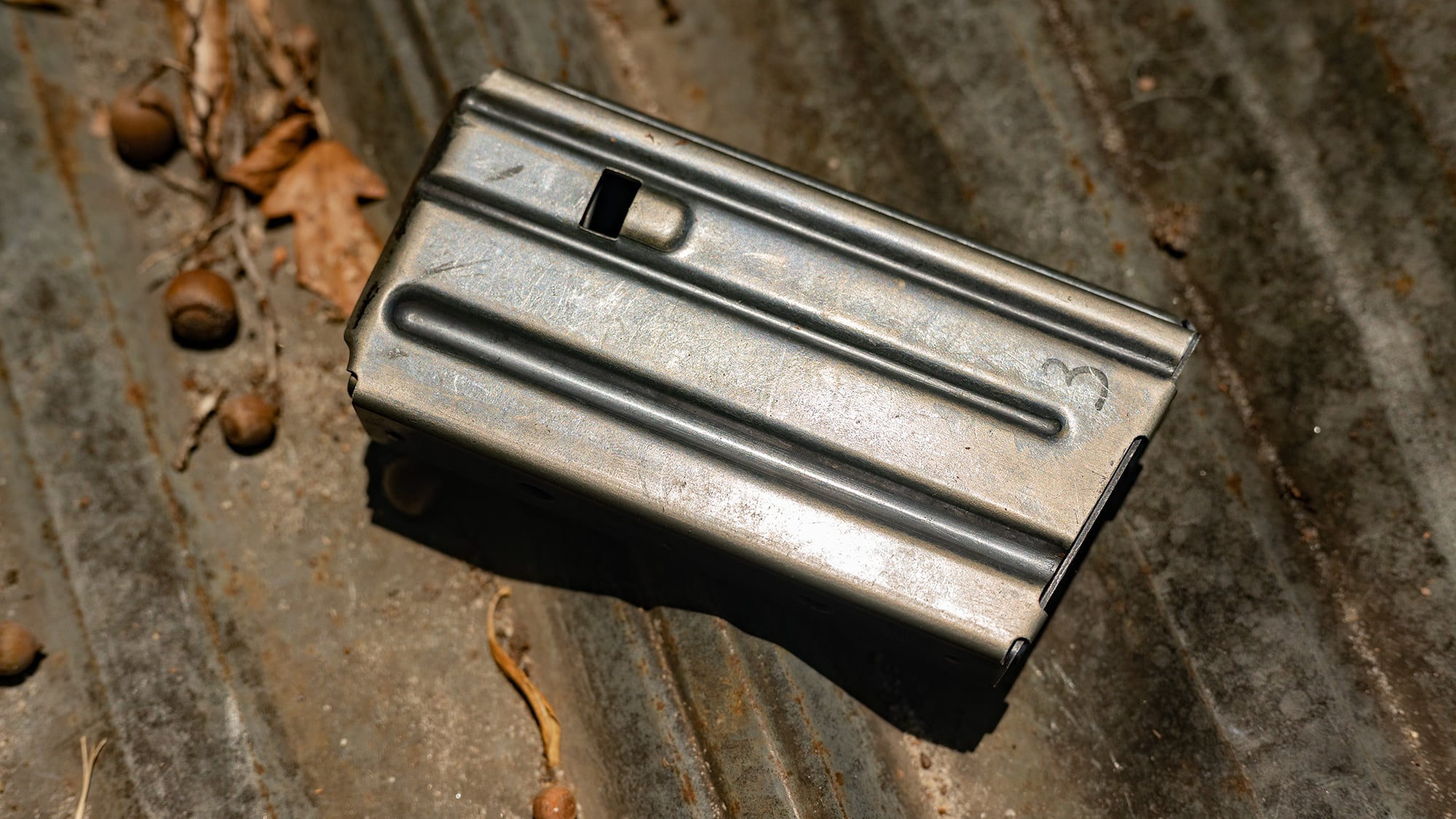
The downside is that aluminum magazines can suffer permanent damage from impacts. A dented magazine body may still function, but significant dents can interfere with follower movement or ammunition stacking. Likewise, damaged feed lips can create feeding problems that are difficult to diagnose.
Unlike polymer magazines, aluminum magazines rarely recover from deformation.
Which AR-15 Magazine Is Better?
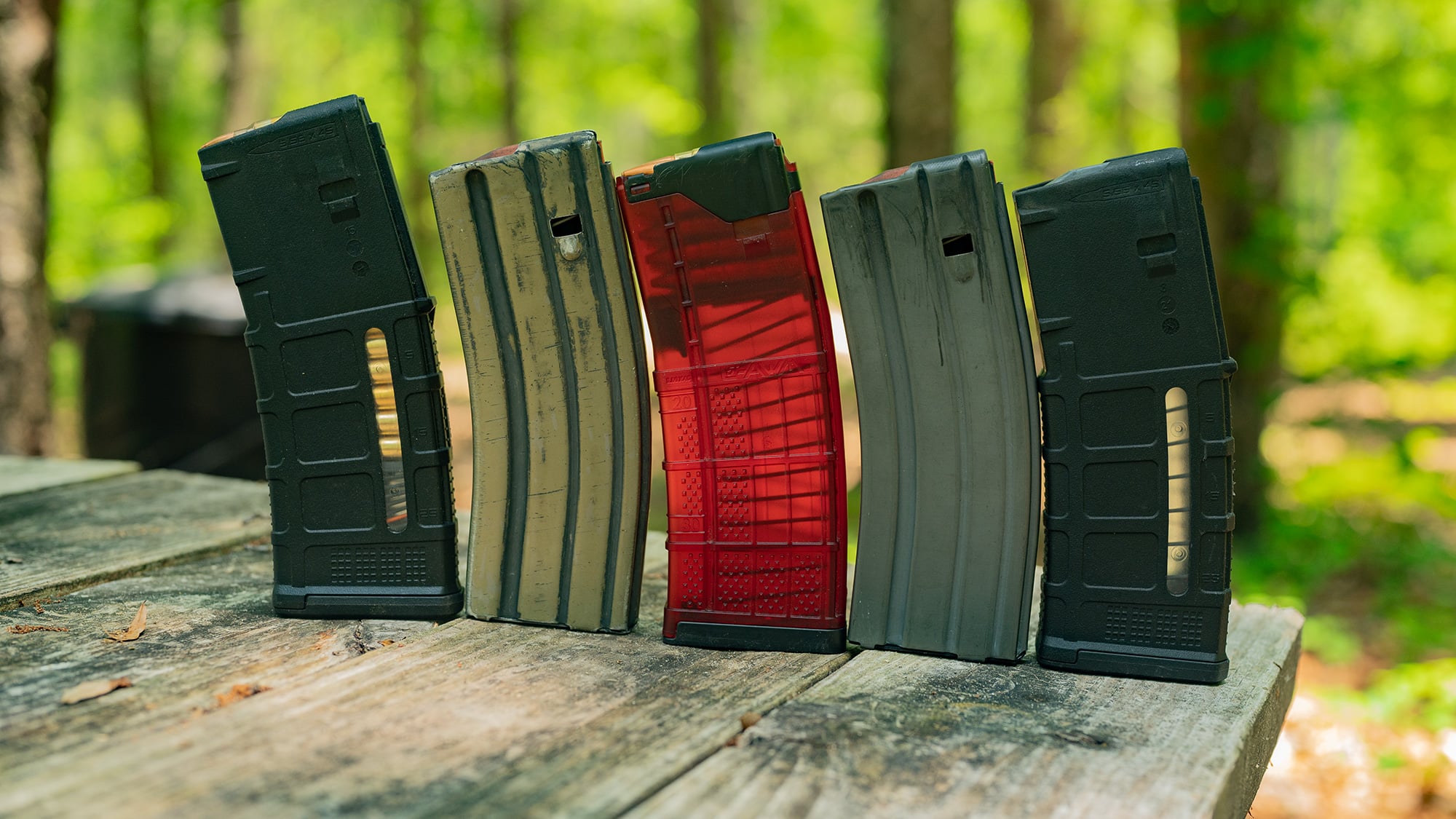
For most shooters, polymer AR-15 magazines are the best all-around choice. They are durable, corrosion-resistant, and widely available.
However, aluminum magazines are still an excellent option. They are lightweight, slim, affordable, and proven. They make a lot of sense for shooters who want to build a large magazine supply or reduce the weight of their gear.
Choose Polymer AR-15 Magazines If You Want:
- Strong impact resistance
- Corrosion resistance
- A modern magazine design
- Good range and training mags
- A rugged general-purpose option
Choose Aluminum AR-15 Magazines If You Want:
- The lightest magazine option
- A slimmer magazine body
- Cost-effective bulk magazines
- USGI-style magazines
- Better fit in tight pouches
Takeaway
If you’re thrifty like me (read: cheap), this next sentence will hurt you. Magazines are disposable; treat them as such. If a magazine isn’t expensive and starts giving you issues, toss it. Nothing ruins a good range session like having to troubleshoot reliability issues. If you live in a ban state, tear the proverbial guts out of any troublesome magazines, and replace components (where legal) to ensure your magazines won’t be the point of failure for your favorite gun.
Like I initially wrote, magazines are the weak point of any repeating firearm. If the gun can’t feed from a magazine, it’s just an overly complex, awkward single-shot firearm. Keep them clean, keep them dry, and if you keep them loaded, number them and cycle through them regularly.
Cleaning a magazine is very easy and simple. Grab some cotton swabs, some cleaning solution, and a rag, and go to town. If you feel grinding or resistance, your magazine is dirty. Depending on the design, this could cause countless malfunctions.
Ultimately, shooters should treat magazines like the crucial component they are. Keep them at least as clean as your firearm, and most magazines will run without issues for years. Leave them wet or grimy, and your gun will struggle. Yes, there are exceptions like AK and Glock magazines which can tolerate far more abuse than most, but even these require a little TLC to keep them running reliably for years. Don’t take magazine reliability for granted - plenty of otherwise great firearms can turn into frustrating, unreliable pieces of junk if their magazines aren’t clean and maintained properly.


