
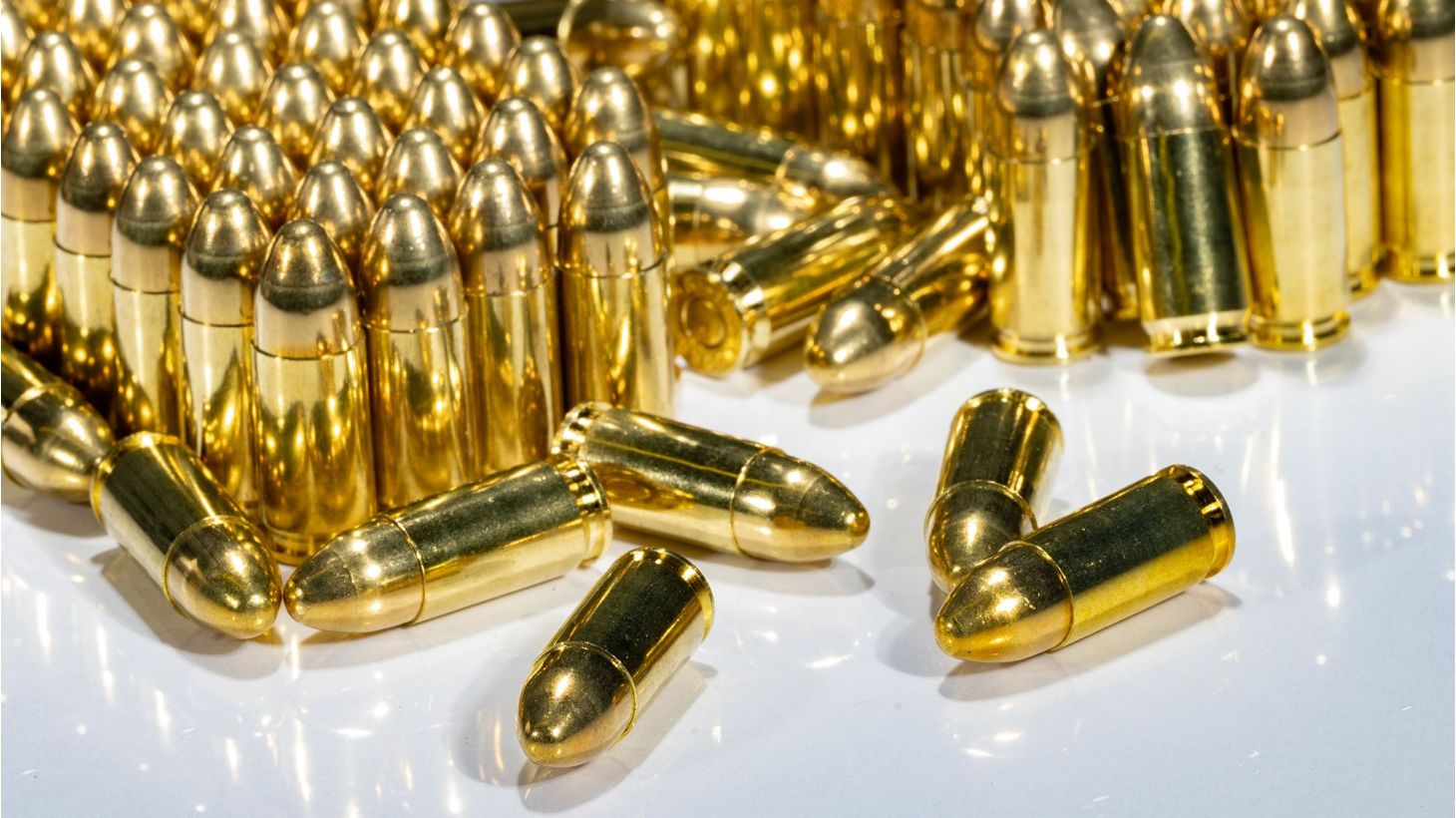
What is 9mm?
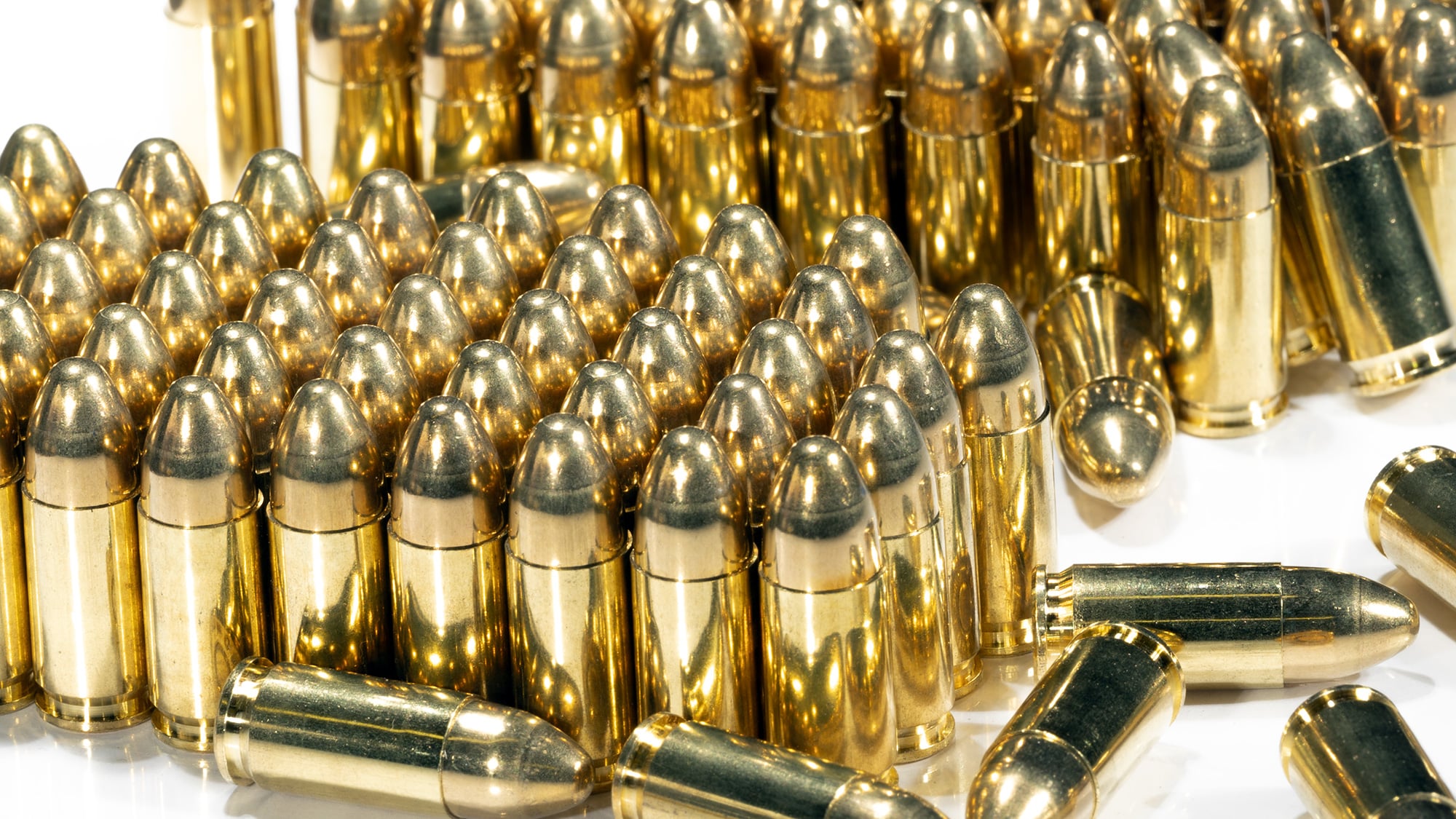
9mm is the most common way people refer to the pistol cartridge known as 9×19mm Parabellum. It was developed just before World War I by Georg Luger for his Parabellum handgun, commonly called the Luger. At the time of its introduction, it was considered one of the most powerful handgun cartridges available, especially compared to the smaller “pocket pistol” calibers like .25 ACP and .32 ACP that were common in military service during that era.
Today, 9mm is the most widely used handgun caliber in the world thanks to its balance of recoil, capacity, performance, and affordability.
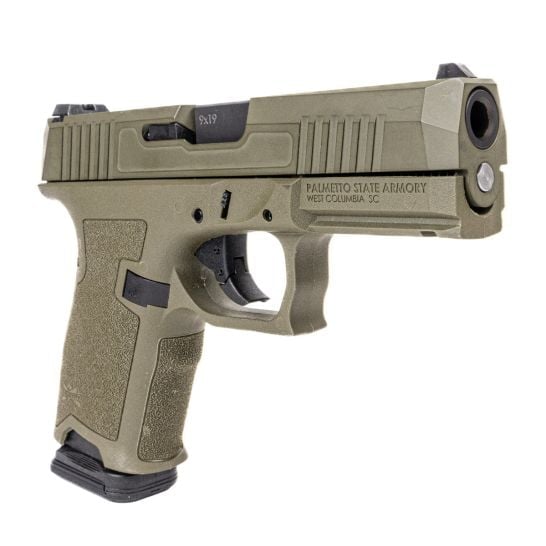
Why 9mm is the Most Popular Handgun Caliber
9mm’s rise to prominence was driven in part by the impressive performance and relatively low recoil of firearms chambered in it during World War II. But what truly cemented its place in American gun culture was the rise of the so-called “Wonder-Nine” pistols in the 1980s. These handguns used high-capacity magazines based on the Browning Hi-Power’s 13-round design.
The 9mm cartridge’s relatively small size allows magazines to hold 15 or more rounds in a staggered-column magazine that still fits in a reasonably sized grip. This meant law enforcement and civilian shooters could carry pistols similar in size and weight to a 1911 or full-size revolver—but with nearly double the ammunition capacity.
While early 9mm defensive performance lagged behind .45 ACP, modern bullet design has largely closed that gap. Today, shooters no longer have to choose between capacity and effectiveness—they can have both.
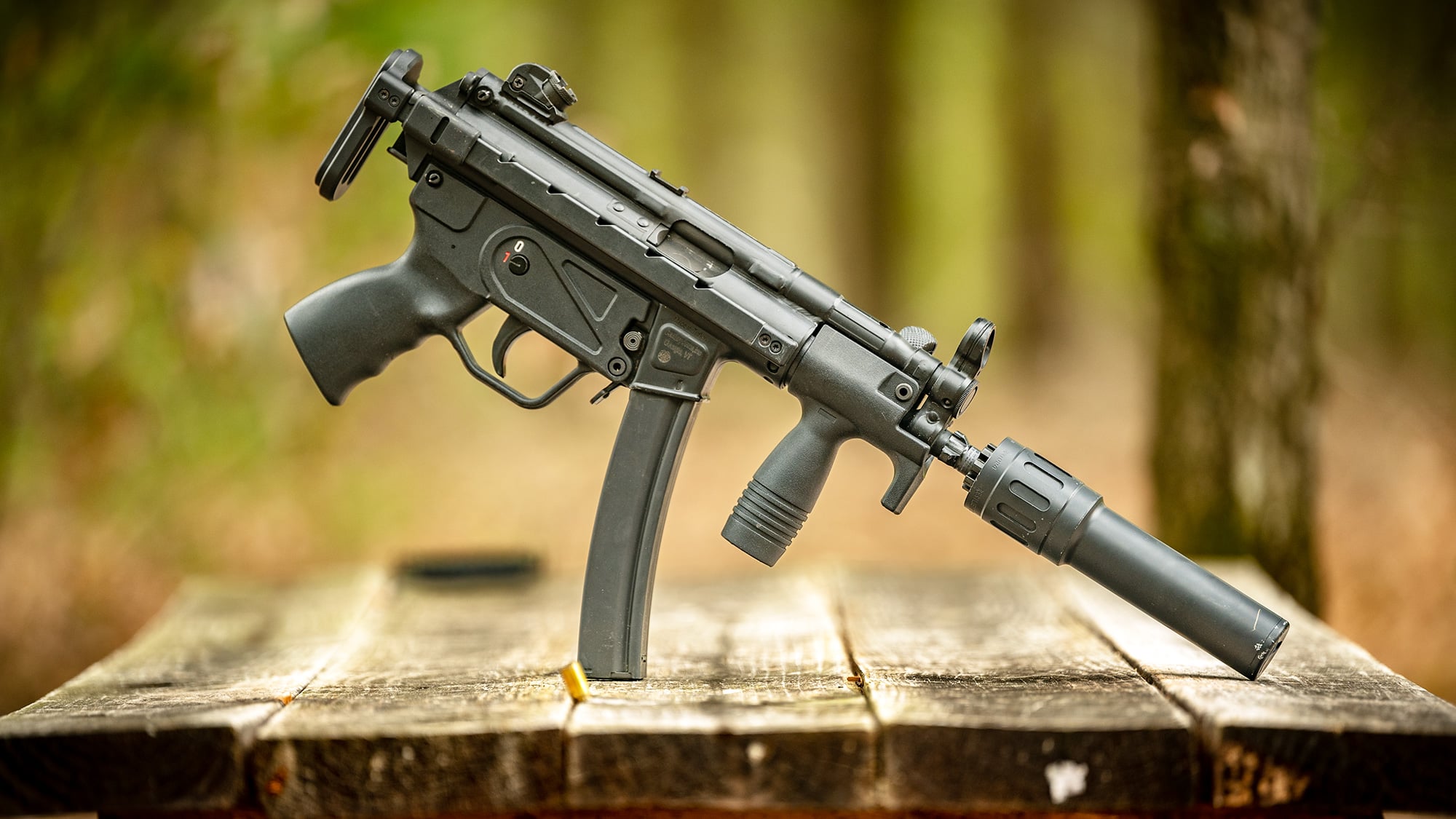
9mm Luger vs 9×19 vs 9mm NATO Explained
One of the most confusing aspects of 9mm is the number of names it goes by. You’ll commonly see boxes labeled:
-
9mm
-
9x19mm
-
9mm Luger
-
9mm Parabellum (from the Latin phrase “Si vis pacem, para bellum” — “If you want peace, prepare for war.”)
-
9mm NATO
In practice, these all refer to the same basic cartridge.
If you have a modern firearm (generally anything made in the last 30 years), it can safely use standard 9x19mm as long as it isn’t labeled “+P+”. Note that 9mm Kurz (.380 ACP) and 9mm Makarov are not the same cartridge and should never be fired in a 9mm Luger firearm, such as your PSA Dagger.
The only label that truly matters here is 9mm NATO. This typically refers to a 124-grain load that is slightly overpressure (similar to +P). While most modern firearms can handle it, a steady diet of NATO ammo may increase wear and tear over time.
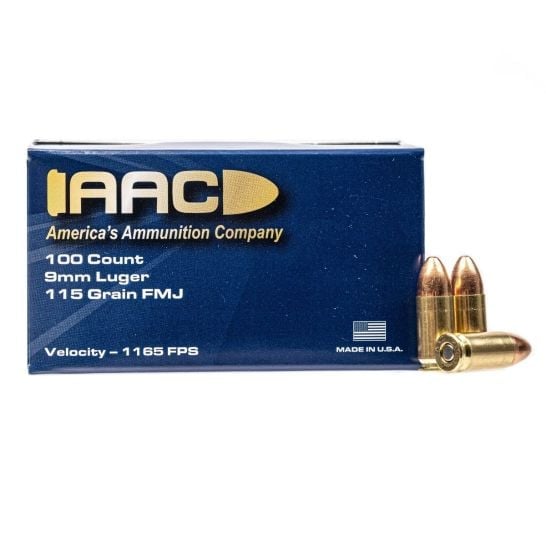
Common 9mm Bullet Types (FMJ, JHP, +P, Subsonic)
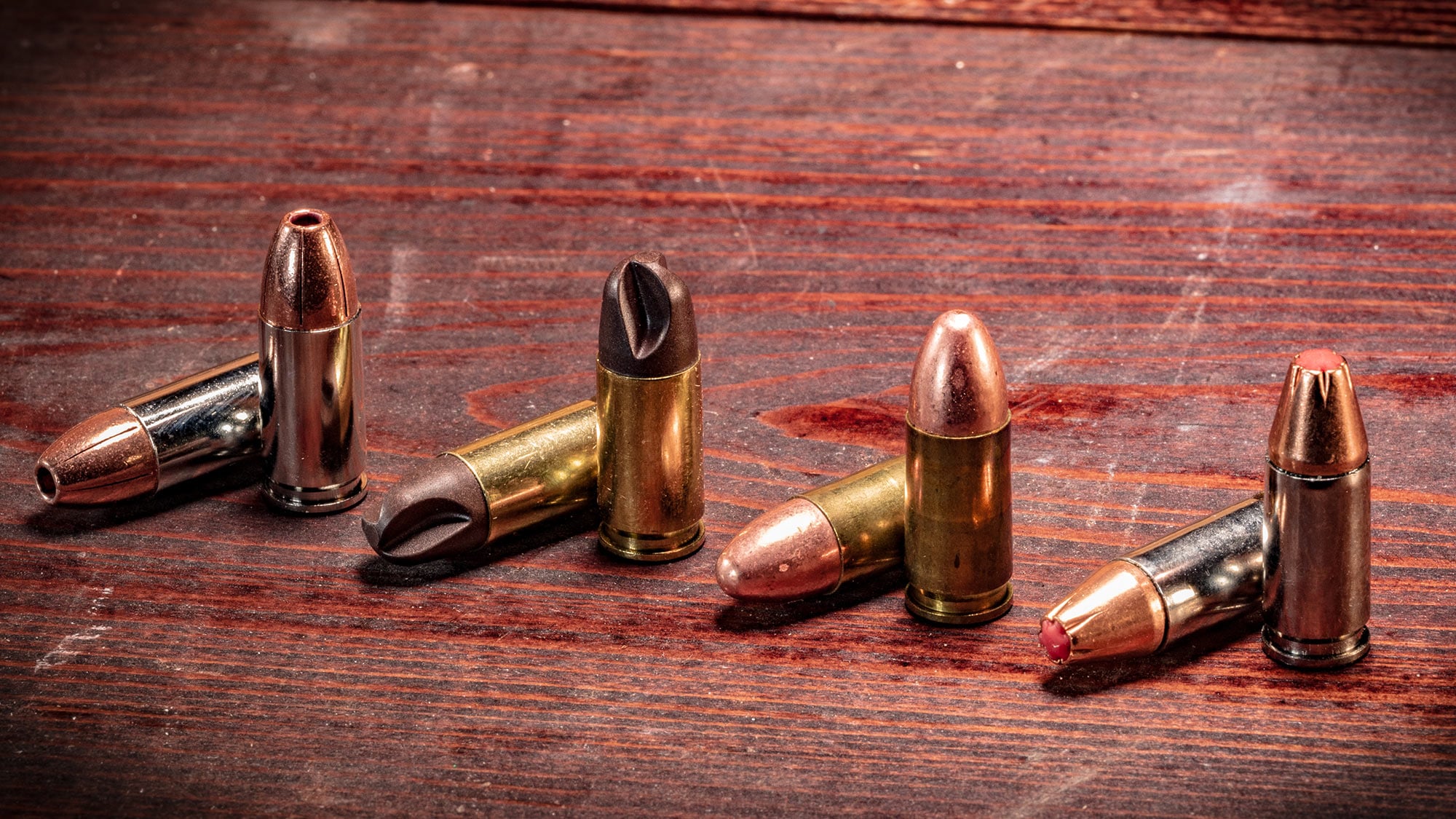
If you’ve ever perused the ammo section of your favorite sporting goods or firearms store, you’ve no doubt noticed that some boxes of 9mm have a designation of FMJ, JHP, +P, or even subsonic on the label. For the latter two, these designations refer to how “hot” the ammunition is loaded, and thus how fast the round is traveling. Below are some examples of different loadings.
- +P: For +P, shooters can expect an extra bump in muzzle velocity of around five to ten percent. This can increase the efficacy of a round against soft targets, but it comes at the cost of increased felt recoil.
-
Subsonic: Subsonic ammunition refers to ammo that is specially loaded to travel at subsonic speeds. These rounds should be avoided for range plinking or defensive use, as they are only really useful for shooters running a firearm with a sound suppressor. Since the rounds aren’t traveling faster than the speed of sound, they will be much quieter when suppressed, since there will be no supersonic ‘crack’ of the round compressing air. Note: if a round is normally subsonic, like .45 ACP, manufacturers won’t label it as such.
- FMJ: Not just a great Stanley Kubrick film, FMJ refers to Full-Metal Jacket ammunition. These rounds use a soft lead core covered or ‘jacketed’ in either copper or a copper alloy. Nearly all centerfire ammunition comes standard in FMJ. The reason for the jacket is that it decreases drag and friction when loading, and reduces lead build-up or fouling inside the gun - both of these contribute to better reliability.
These rounds are ideal for plinking or practice shooting at the range, but aren’t as effective as defensive ammunition for dealing with threats.: Not just a great Stanley Kubrick film, FMJ refers to Full-Metal Jacket ammunition. These rounds use a soft lead core covered or ‘jacketed’ in either copper or a copper alloy. Nearly all centerfire ammunition comes standard in FMJ. The reason for the jacket is that it decreases drag and friction when loading, and reduces lead build-up or fouling inside the gun - both of these contribute to better reliability. These rounds are ideal for plinking or practice shooting at the range, but aren’t as effective as defensive ammunition for dealing with threats. - JHP/HP: JHP or HP ammunition refers to ammunition loaded with hollow-point projectiles. These rounds are designed to expand upon impact, dissipating energy into the target and preventing overpenetration. As such, these rounds are ideal for self-defense or hunting.
9mm Bullet Weights Explained
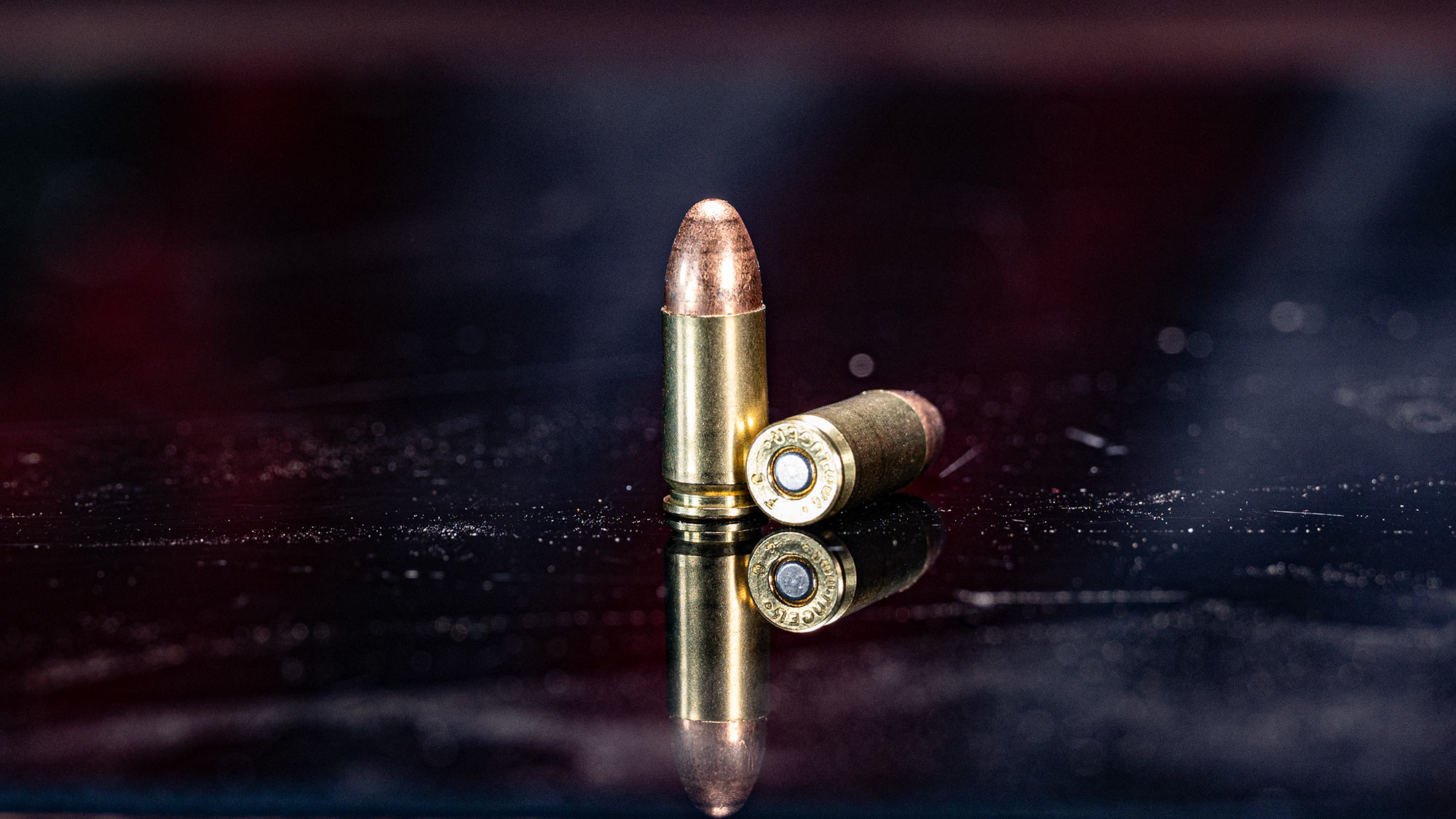
Another aspect of 9mm not well understood is bullet weight. As the name suggests, bullet weight is all about how much the projectile itself weighs. The heavier the projectile weight, the more energy is imparted on a target, all other aspects of the cartridge being equal. But there’s more to it than that. So below are the most common 9mm bullet weights, and what they’re used for.
- 115gr - This is the most common 9mm loading on the market today. While not true to the original loading for the round, 115-grain 9mm rounds make great practice rounds and competition rounds. Typically, 115gr projectile are of the FMJ type, though some companies do offer defensive ammo in this weight. These rounds are always supersonic, and the most affordable loading of 9mm available. If you’re looking to stock up on ammo for practice or to hedge against inflation, these are the perfect rounds.
- 124gr - 124 grain 9mm is the second most common loading, and strikes a good balance between projectile weight and velocity. They tend to be slightly slower than 115gr rounds, but perform better out of shorter barrels. This bullet weight also provides better performance out of a sound suppressor as they aren’t as high velocity as standard 115. That said, they still aren’t subsonic, so don’t expect Hollywood-quiet. Pick these rounds if you’re using a compact handgun or a suppressed pistol (or carbine/SBR) and want better performance.
- 147gr - 147-grain 9mm projectiles are the heaviest 9mm rounds commonly available. Oftentimes, you’ll see defensive ammo in this weight, as well as suppressor-specific loadings. Because the projectile is substantially heavier than 115gr ones, these rounds don’t rely on velocity as much, which makes them better suited to shorter barrels. Pick 147gr for concealed carry ammo (assuming you’re using a defensive projectile like JHP) or for use with a sound suppressor. Lastly, 147-grain rounds are generally more expensive than 124 and 115-grain rounds, and for the most part are the most expensive rounds commonly available.
How 9mm Performance Is Measured
Ammunition performance is a tricky thing to measure. The most common metric is muzzle energy, but this isn’t a single aspect of a cartridge, but rather the culmination of several factors - specifically, projectile weight, bullet type, and velocity.
(Weight in grains × Velocity²) ÷ 450,240
Velocity is the most straightforward; Velocity, or how fast a bullet is traveling, has an enormous effect on the terminal ballistics (how effective a round is when it strikes the intended target) of a cartridge. Think of it this way, if I were holding a glass marble and I underhand lobbed it at around five miles per hour at a would-be assailant, it would annoy them but not stop an attack. That same marble traveling at the speed of sound would be much more convincing.
But velocity isn’t everything. I would have to throw a feather at a very hypersonic speed for it to do anything to a target. Conversely, an anvil or a truck doesn’t need to be traveling very fast to hurt someone. This is why muzzle energy is measured with the simple formula of (Weight in Grains x Velocity²) ÷ 450,240. Notice that velocity is squared in this equation, so it has the greatest influence on muzzle energy. This is why short-barreled firearms have such an impact on terminal ballistics, provided that the round wasn’t designed for shorter barrels in the first place.
But even muzzle energy isn’t the end-all, be-all. It is the only factor that can be easily calculated in a repeatable manner, but it fails to account for how the bullet behaves when it hits a target. That’s where bullet type comes into play. All the muzzle energy in the world is wasted if the bullet passes through the given target without dissipating that energy into the target.
Think of it like an ice pick, flying through something. Yes, it hurts, and yes it can do incredible damage if it hits a solid portion of a target like a bone or vital organ. But if the impact is slightly off, it could just pierce fatty tissue and leave a painful, but ultimately ineffective, wound channel. This is where expanding ammunition like hollow-point bullets comes into play. Hollow points - as we mentioned earlier, expand on impact and distribute the bullet’s energy to the target. They also have the advantage of increasing the odds of hitting a vital spot by expanding the diameter of the projectile.
9mm Ballistics at Range
We all understand that the further away a target is, the less energy the projectile has when it impacts. But since the 9mm round was designed for use in a handgun, it really struggles at further ranges. That said, below is a table using the most common 9mm projectile weights from a four-inch barrel at varying distances.
| Distance (yards) | 115gr Energy (ft-lbs) | 124gr Energy (ft-lbs) | 147gr Energy (ft-lbs) |
|---|---|---|---|
| 0 (muzzle) | 356 | 364 | 326 |
| 20 | 324 | 336 | 312 |
| 40 | 300 | 312 | 300 |
| 60 | 279 | 291 | 288 |
| 80 | 261 | 273 | 278 |
| 100 | 245 | 257 | 268 |
| 120 | 231 | 242 | 259 |
| 140 | 218 | 229 | 250 |
| 160 | 207 | 216 | 242 |
| 180 | 196 | 205 | 234 |
| 200 | 187 | 195 | 227 |
Takeaway: Heavier rounds retain their energy better at longer ranges than lighter ones. But since we’re talking about 9mm - a short-range caliber - these differences are mostly academic. Proper bullet choice (expanding rounds for soft targets, etc.) and shot placement are more important than bullet weight and velocity - within reason. If you cut the velocity of a 9mm cartridge by 90%, it will suffer to inflict fight-stopping damage no matter where it lands.
+P Ammo and Firearm Safety
Most 9mm on the market today is loaded within acceptable standards from SAAMI, and with a large margin of safety. Rounds loaded towards the top end of this are considered +P or plus power.
For nearly all 9mm firearms made in the last 20 years, this distinction doesn’t really matter - they will function safely with +P or even +P+ ammunition.
⚠️ Safety Warning: Always read the manual first. If you can’t find anything about ammo sensitivity, contact the manufacturer and ask them directly.
The issue with +P ammo is with older or antique firearms. These guns aren’t just made of lesser-quality materials (and not always), but depending on the age and if they were surplus military firearms, they may be towards the end of their life cycle. The additional pressure spike of +P ammo could be enough to cause permanent or even catastrophic damage to an antique firearm, and as such, should be avoided.
The only real practical use of +P and +P+ ammunition is in defensive rounds where shooters are trying to squeeze as much performance out of a firearm as possible. Also, for your bank account and gun’s sake, try to limit the use of high-pressure ammunition as it will accelerate wear and tear on the gun, so don’t blow through a few cases every time you go train or practice.
9mm for Training vs Self-Defense
Speaking of training, when it comes to choosing the right ammunition to train with, shooters should buy the cheapest stuff that can still reliably run in their gun. I know that sounds absurd, but think about it. You’re not training your gun to run better; you’re building muscle memory and good skills. That said, you shouldn’t just use the “el cheapo” stuff, but it’s ideal for high-round-count training sessions.
For more specific training, especially with concealed carry guns, shooters should try and find a less expensive analogue to their defensive ammo. For instance, if you run a Micro Dagger or a P365 with 147gr Hydra-Shoks, shooters should find either an FMJ or wad-cutter round of the same grain to practice since the zero should be close enough for defensive work.
How to Store 9mm for Long-Term Reliability
While there are multiple factors that affect the longevity of store ammunition, humidity is by far the most detrimental. Heat and temperature fluctuations are also bad, since rapid ones can cause condensation and, by extension, powder degradation.
So what’s the key to long-term ammo storage? Consistency and low, but not zero, humidity. The old adage,’ keep your powder dry!’ still holds merit today.
Pro Tip: Try and keep the ammo in as controlled of an environment as possible unless you live somewhere like Nevada where it’s always ambiently dry. If you’re like PSA and based out of South Carolina, buy desiccants (stubstances that absorb moisture from the air) to remove high latent humidity, and keep ammo in an air-conditioned location when possible. Perfect conditions aren’t really required, as evident by the fact that surplus World War II ammunition still functions today.
So, how long does 9mm ammunition last? Far beyond your lifetime if stored correctly. Follow the advice above, and your ammo will still run when your great-grand kids marvel at your functional antique collection before they go bag a dear with their new plasma rifle.
Looking to Buy 9mm Ammo?
If you’re here to learn about the caliber and want to shop, you can browse our full selection here:
