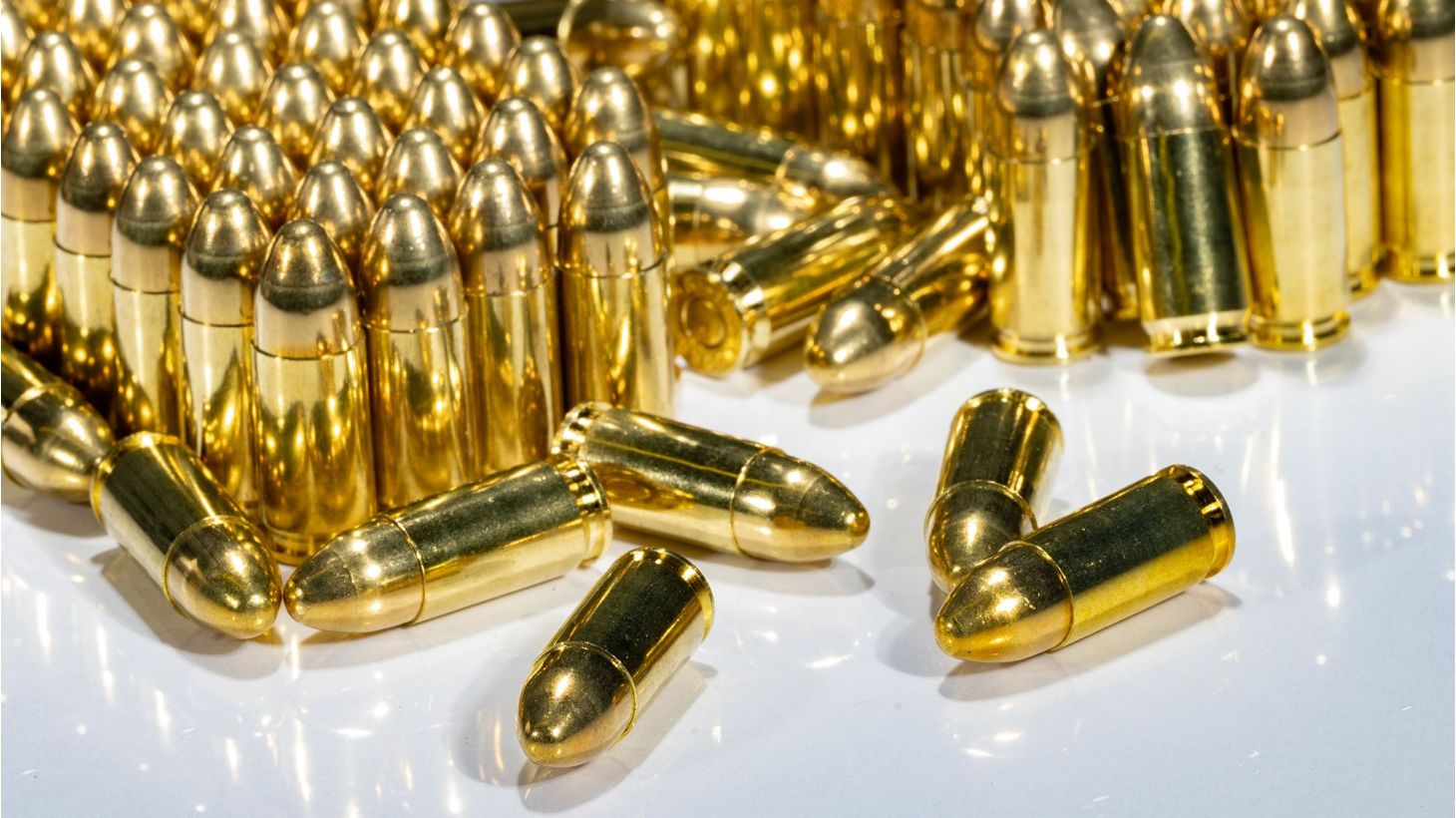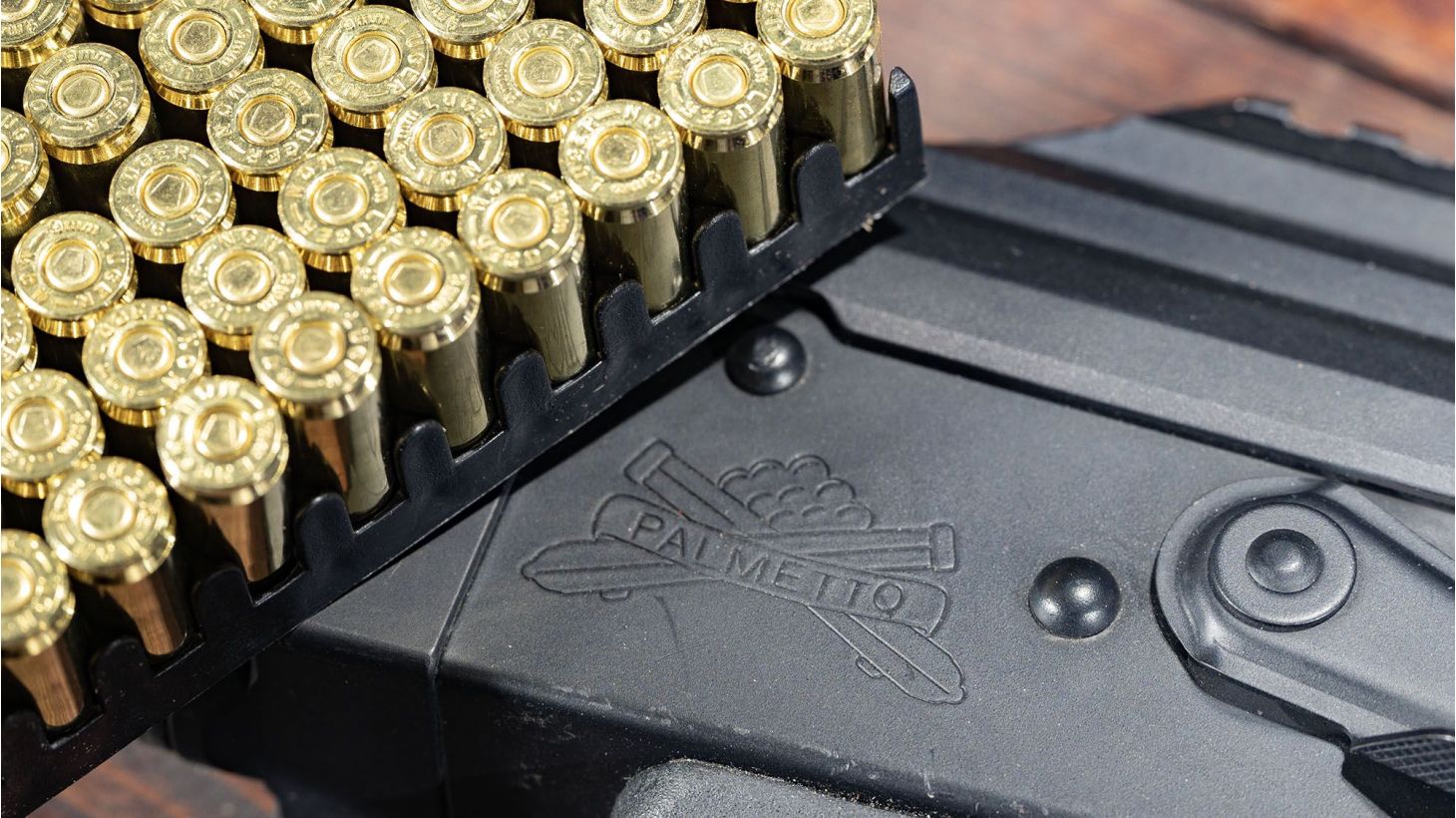
After nearly two decades of writing about firearms, 9mm has remained my go-to caliber for concealed carry and self-defense. Over the years, I’ve tested just about every 9mm load available—and one debate always comes up: bullet weight.
Most of that debate comes down to one thing—intended use.
The three most common options—115-grain, 124-grain, and 147-grain—each offer distinct advantages depending on how and where you plan to shoot. Before committing to one for training, carry, or stockpiling, it’s worth understanding what each brings to the table.
Below is a breakdown of the strengths and trade-offs of each, so you can choose the right 9mm load with confidence.
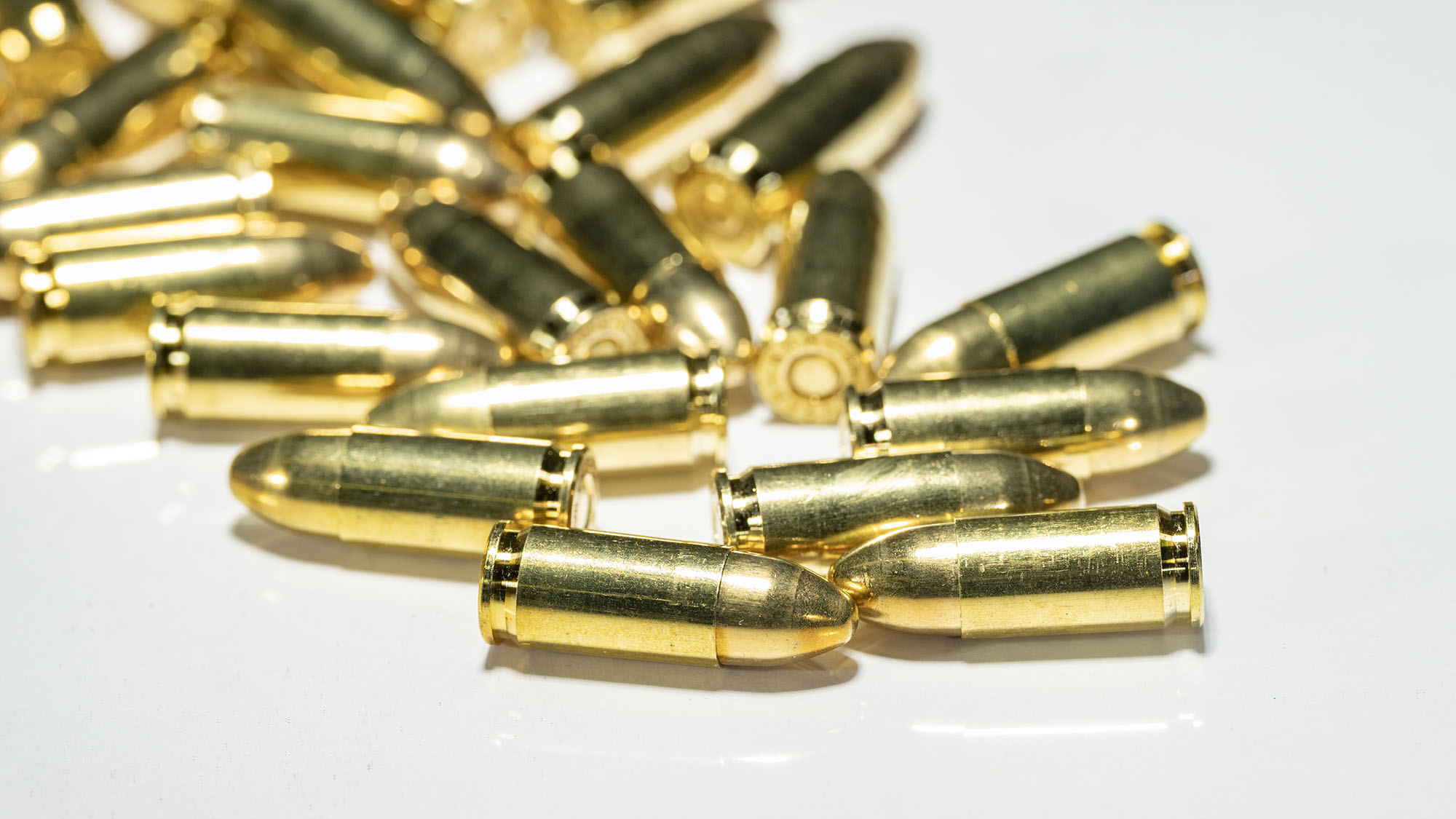
115gr 9mm
In my experience, 115-grain 9mm has always been a go-to for new shooters or anyone running a high volume of rounds without spending a fortune.
When I first started testing compact carry guns like the Glock 19, I’d grab cases of 115-grain FMJ and run them through everything I could. That light bullet moves fast out of a 4-inch barrel—typically 1,150 to 1,200 fps—and maintains a flat enough trajectory for beginners to hit targets at 25 yards with minimal holdover.
Recoil & Shooting Feel
The recoil is noticeably snappier than heavier loads. It’s not harsh, but the muzzle rises quicker, and after a few hundred rounds, your wrists will feel it more compared to 147-grain.
In subcompacts like the Sig P365, it can feel a bit lively. Follow-up shots take slightly longer due to increased muzzle flip.
Performance & Ballistics
In testing, most Federal and Winchester loads land around 350 foot-pounds of muzzle energy—more than enough for real-world use.
I also remember running 115-grain Speer Gold Dots through gel on a hot summer day in Darlington. They expanded consistently, thanks to their higher velocity.
For home defense, that fast expansion can be a benefit:
- Quick energy transfer on target
- Reduced risk of over-penetration through drywall
Cost & Practical Use
One of the biggest advantages is price. 115-grain ammo is typically more affordable, making it ideal for:
- Training
- High round count sessions
- Casual range use
Competition & Suppressed Use
In competition settings like USPSA Production or steel matches, the higher velocity helps with flatter shooting and faster transitions. The lighter rounds also reduce magazine weight while moving.
For suppressed use, 115-grain remains supersonic, so you’ll still hear the crack. I’ve run it in carbines like the Ruger PC without issues, but it’s better suited for outdoor shooting where noise isn’t a concern.
Bottom Line
If you want speed, reliable expansion, and an affordable option for high-volume shooting, 115-grain 9mm continues to be a proven performer.
It cycles reliably—even in suppressed setups—but the supersonic crack remains. During testing with the Ruger PC Carbine, it ran flawlessly, though I preferred it for outdoor drills.
Overall, if speed and expansion are your priorities, 115-grain delivers—especially in standard-pressure loads that avoid +P stress in older firearms.
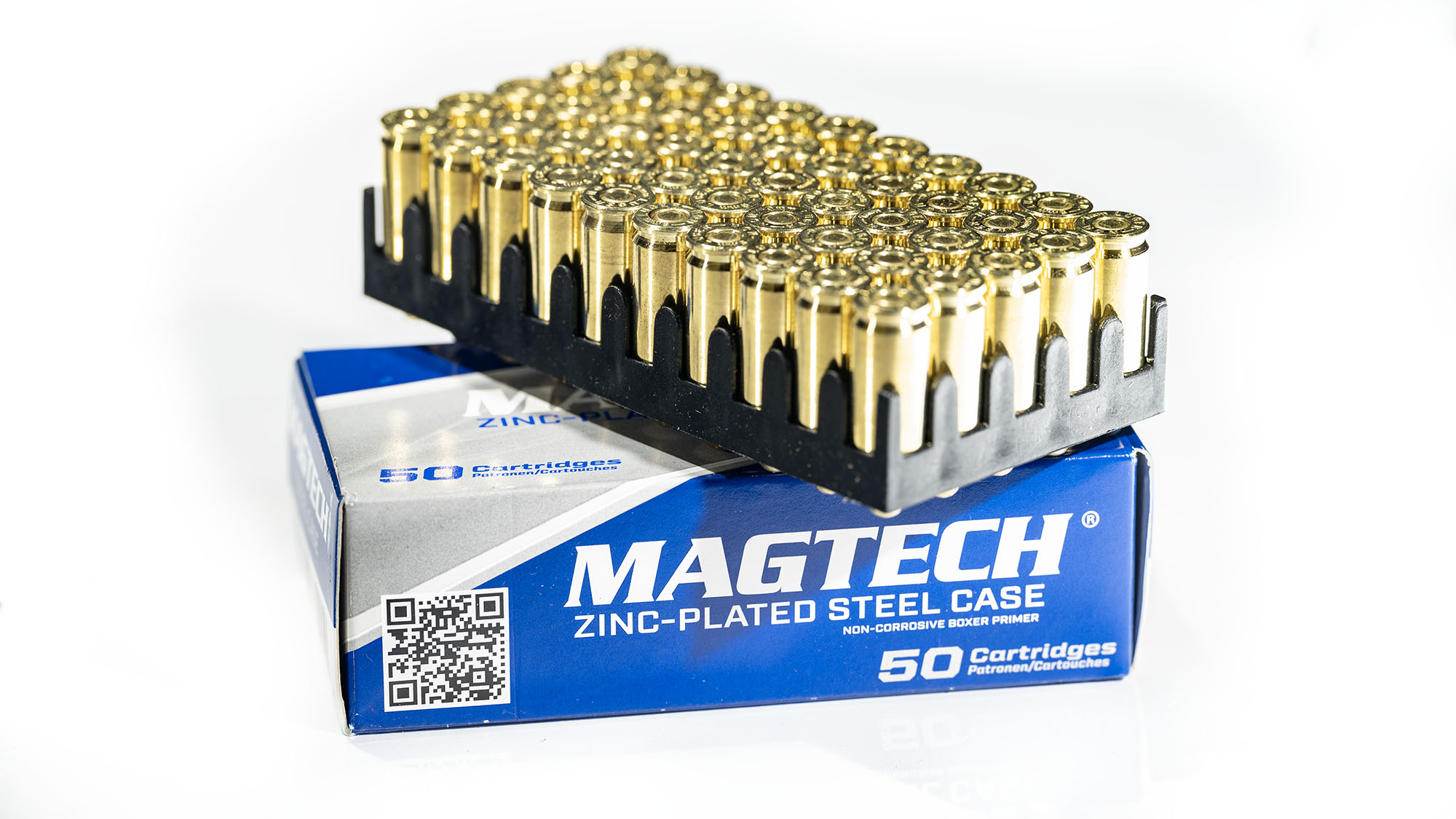
124gr 9mm
The 124-grain 9mm has always felt like the Goldilocks option—not too light, not too heavy, but just right for most applications.
It’s also the NATO standard, which I’ve come to appreciate through testing with military-surplus Berettas and modern service pistols. Out of my CZ P-10C, it typically runs between 1,100 and 1,150 feet per second, delivering a balanced recoil that’s smoother than 115-grain but still carries a bit more authority.
Performance & Real-World Testing
I remember a humid afternoon in South Carolina comparing loads side by side. The 9mm 124-grain Federal HST penetrated about 14 inches in ballistic gel while expanding to roughly .65 inches—a sweet spot for self-defense.
The recoil feels more like a firm push than a snap, making it easier to control during rapid fire. That’s a big reason it’s widely used in law enforcement.
From my experience writing for firearms publications, I’ve often recommended 124-grain for concealed carry because it cycles reliably across a wide range of firearms—from full-size 1911s to micro-compacts.
Energy & Accuracy
Energy typically falls between 340 and 370 foot-pounds—plenty for defensive use without the sharper recoil of lighter loads.
During accuracy testing at 50 yards, I’ve seen tighter groupings compared to 115-grain, possibly due to the slightly slower velocity reducing barrel harmonics.
In competition, I’ve used 124-grain match ammo from Atlanta Arms and consistently achieved sub-2-inch groups from a rest.
Versatility & Considerations
For suppressed shooting, 124-grain can be borderline subsonic in shorter barrels, which adds to its versatility.
One downside I’ve noticed is availability. Because it’s in high demand, prices can spike during shortages.
That said, standard FMJ loads are still economical for range use and tend to feed smoothly across platforms.
If you’re building a defensive setup, pairing 124-grain with +P can provide additional velocity, though standard pressure loads have proven sufficient in most cases.
Bottom Line
From hands-on experience, 124-grain 9mm delivers excellent all-around performance. It strikes a balance between speed, control, and reliability—making it a strong choice for shooters who want versatility without extremes.
147gr 9mm
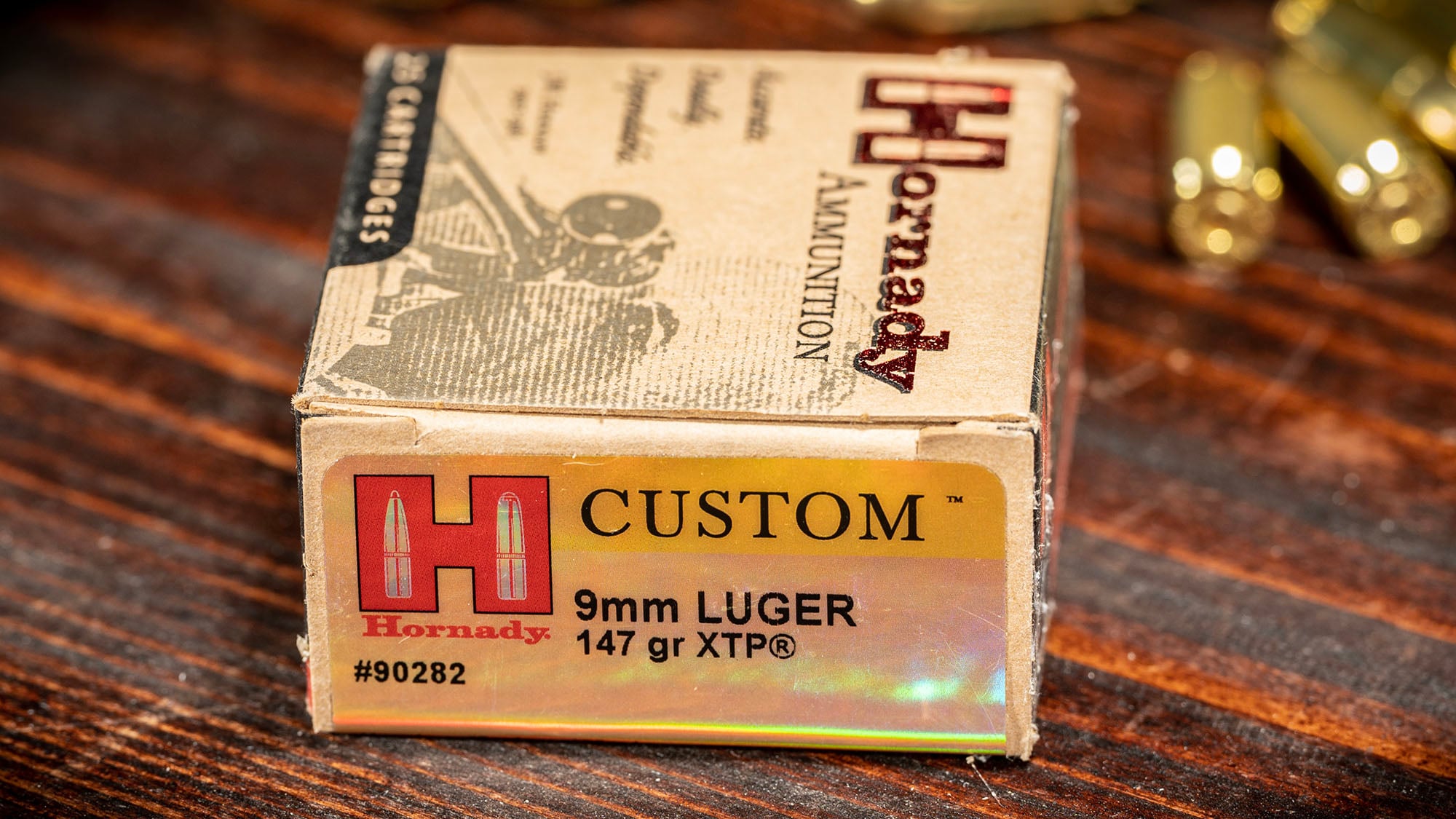
When it comes to 147-grain 9mm, I’ve always associated it with subdued recoil and deeper penetration—making it ideal for scenarios where control matters most.
In testing with my Walther PDP, velocities typically sit between 950 and 1,000 feet per second. That keeps it subsonic in most barrels, which pairs perfectly with suppressors. I once ran a can on a threaded Glock 17, and the 147-grain turned it into a quiet, easy-to-manage shooter.
Recoil & Shooting Feel
The recoil is what really stands out. Instead of a sharp snap, it delivers more of a smooth, steady push thanks to the heavier bullet.
During extended sessions—like firing 500 rounds—the softer recoil reduces fatigue and helps maintain focus on fundamentals.
Performance & Penetration
In gelatin testing, loads like Hornady Critical Duty expanded to around .60 inches while penetrating 16 to 18 inches. That makes it effective through barriers like clothing or auto glass.
For home defense, this added penetration can be beneficial:
- Less concern about underpenetration
- More consistent performance through barriers
However, in tighter living environments like apartments, overpenetration can be a concern. It’s important to consider your surroundings—especially compared to more rural setups like those around Darlington, where construction may be more forgiving.
Accuracy & Energy
Accuracy is excellent, especially at distance. I’ve seen sub-1.5-inch groups at 25 yards using match-grade 147-grain ammo from Fiocchi.
Energy output typically falls between 320 and 350 foot-pounds. While slightly lower than lighter loads, the added mass helps maintain momentum downrange.
Reliability & Competition Use
One issue I’ve encountered is cycling in certain firearms. Some older or more finicky compact pistols may require a heavier recoil spring for reliable function.
In competition, particularly USPSA, 147-grain is often preferred for minor power factor. The slower, heavier bullet helps with faster sight recovery between shots.
Suppressed Performance
This is where 147-grain truly excels. Being subsonic, it eliminates the sonic crack—leaving only the mechanical noise of the firearm. That makes it a top choice for suppressed setups.
Bottom Line
If your priority is control, consistency, and suppressed performance, 147-grain 9mm stands out.
From my experience, it’s hard to beat—especially when paired with +P loads for added performance.
Other Bullet Weights
Beyond the big three, I've experimented with less common 9mm weights that fill niche roles. The 135-grain, for instance, sits between 124 and 147, offering a compromise I've used in custom loads. During a review of reloading setups, I handloaded 135-grain hollow points with Hodgdon powder, achieving 1,050 feet per second and balanced recoil. It's not as ubiquitous, but brands like Underwood offer it for defensive use, with penetration around 15 inches in gel.
Lighter options, like 90-grain or 100-grain frangibles, I've tested for indoor ranges to minimize ricochets. They're zippy, over 1,300 feet per second, but lack the stopping power for serious defense; I reserve them for training drills. On the heavier end, 158-grain subsonics mimic .38 Special ballistics, which I've shot in revolver conversions. They penetrate deeply, up to 20 inches, but feel sluggish in autos, sometimes causing feeding issues.
Exotic weights, such as 165-grain for extreme suppression, I've encountered in specialized ammo from Lehigh Defense. These are slow, around 850 feet per second, with a thump-like recoil, ideal for home setups but rare on shelves. In my travels to gun shows, I've picked up 105-grain for high-velocity experiments, pushing 1,400 feet per second, but they wear barrels faster.
Ultimately, these alternatives shine in specific contexts; for general use, stick to standards unless you're tweaking for competition or unique firearms. My advice, based on years of trial and error, is to test them personally, as gun and shooter preferences vary.
Conclusion
Choosing between 115-grain, 124-grain, and 147-grain 9mm boils down to your needs, from snappy speed to soft control. In my extensive testing, the 115-grain suits high-volume practice and quick expansion, the 124-grain offers versatility for everyday carry, and the 147-grain excels in suppressed or precision roles. Other weights have their places, but rarely outperform the classics in reliability.
Factor in your firearm, environment, and purpose; what works for my South Carolina range days might differ for you. Always prioritize quality ammo and safe handling. Whichever you pick, get out and shoot to confirm it fits your style.