
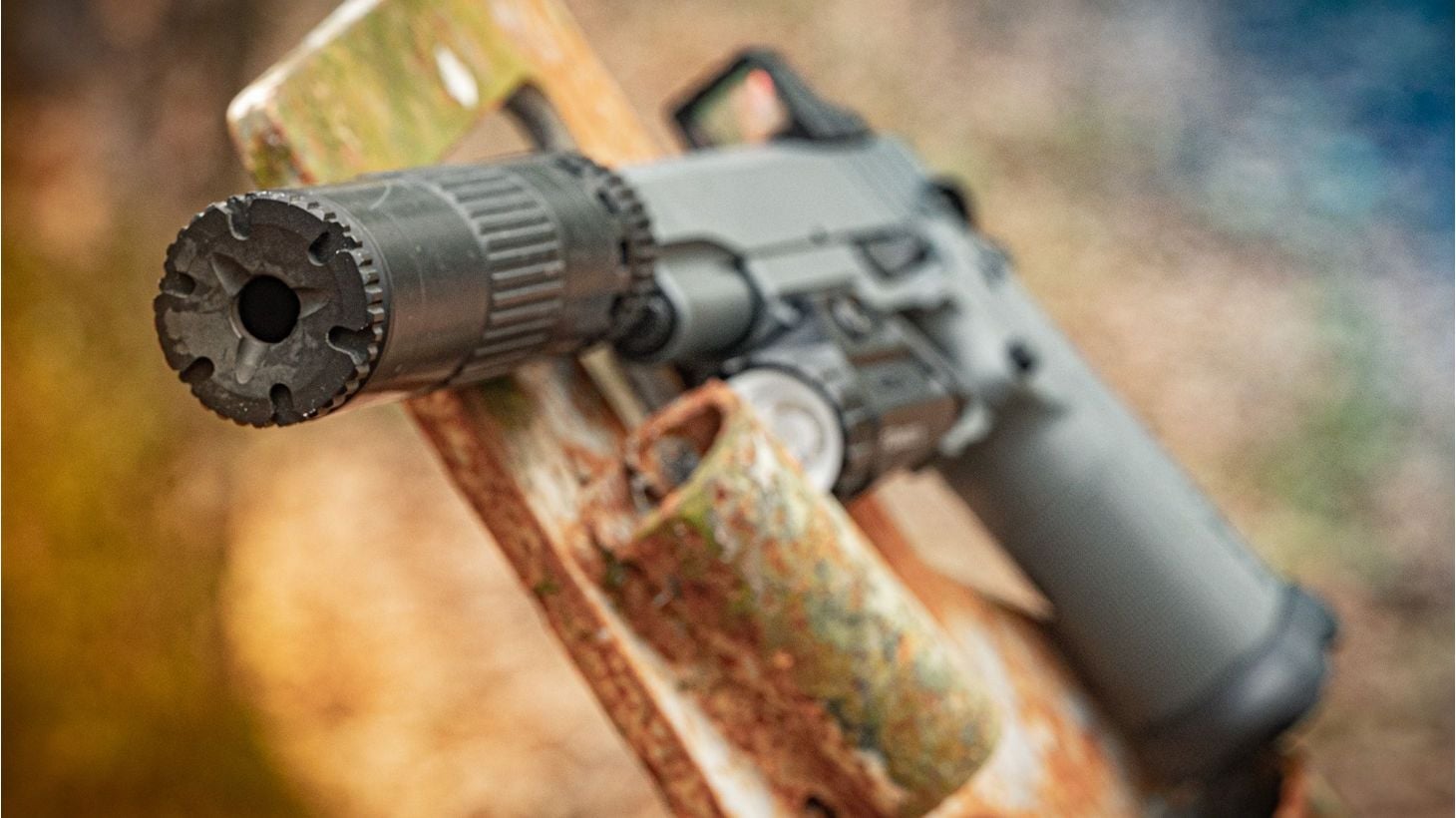
Supressors are simple devices that still require a little TLC to keep running safely and effectively. Depending on how a shooter goes about this maintenance, it can be either simple and straightforward or arduous and time-consuming. So read on to get the lowdown on how to keep your can in top shape.
Before we get into that, first, we have to figure out what your suppressor is made of, as that will dictate what we can and can’t use to clean it. Also, whether your suppressor is user-serviceable or not also limits our options.

What is My Suppressor Made of?
This is the first question you should ask before anything else.
Aluminum and Titanium suppressors should never be cleaned with an ultrasonic cleaner. This is because the micro bubbles and vibrations that clean away carbon and oil can also erode the aluminum or titanium itself, weakening your suppressor to the point that it could explode when used.
If you’re not certain what your suppressor is made of and can’t find a manual or documentation for it, there’s an easy test anyone can perform.
- Simply take a refrigerator magnet and see if it sticks to your can. If it sticks to every part of your suppressor, congratulations—you have a steel suppressor.
If the magnet seems to have no attraction or weak attraction to your suppressor, your can is made of a non-ferrous material like aluminum or Titanium.
Other cleaning options you should avoid with aluminum and Titanium suppressors are harsh solvents like brake cleaner and tumblers. Both of these can weaken the material and cause a catastrophic failure.
User-Serviceable vs Not User-Serviceable
The next step a shooter should take before cleaning their suppressor is to determine whether it is user-serviceable. User-serviceable suppressors are those that can be taken fully or mostly apart.
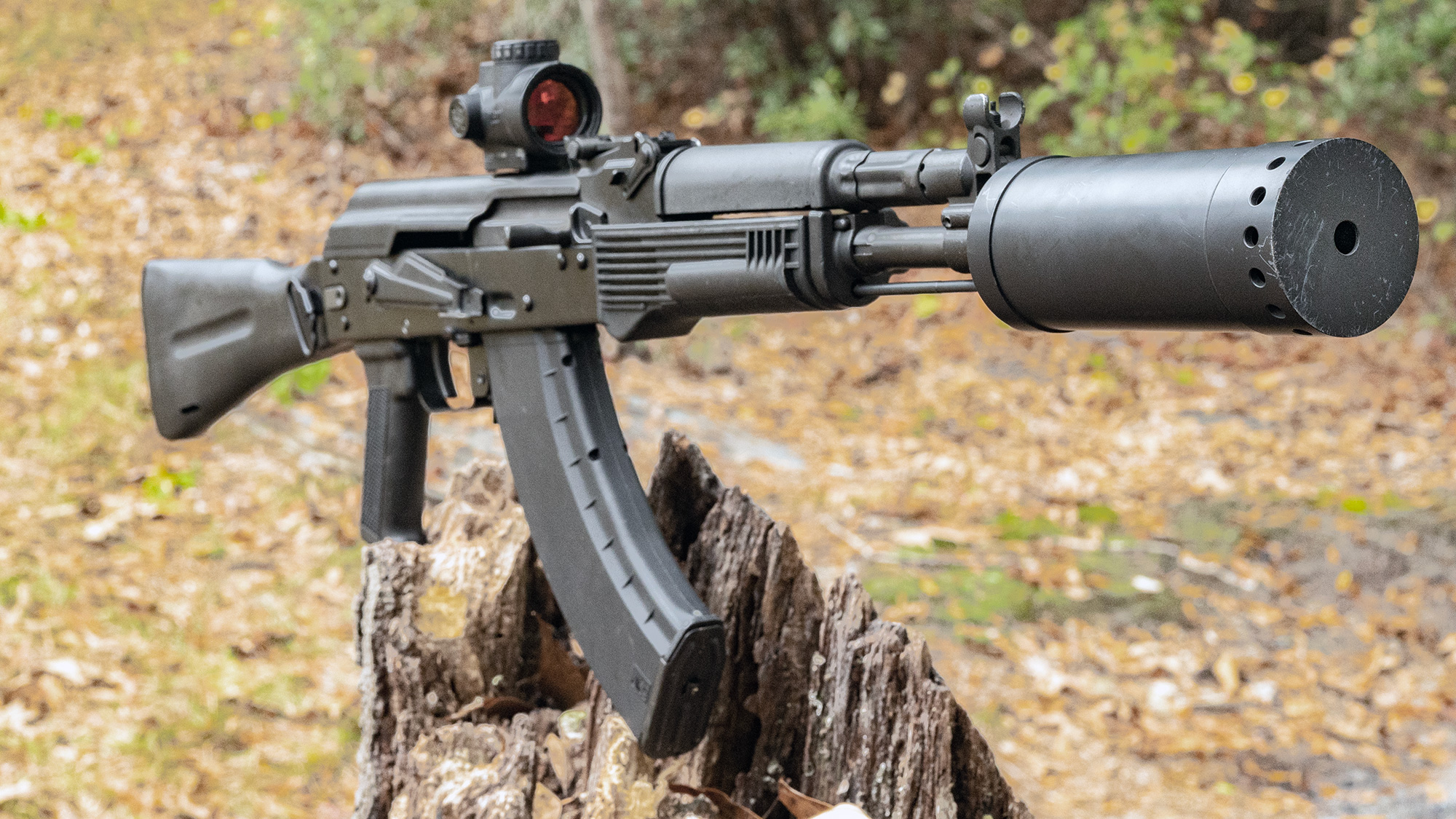
Older and budget-friendly suppressors are sometimes self-contained and cannot be taken apart. You’ll see this on older steel rifle cans since they’ll be welded at both ends. This construction method is excellent for reducing cost and increasing durability, but it also means you can’t really clean the suppressor yourself.
If you have a non-user-serviceable suppressor, your options are fairly limited. You can take a bore brush and scrub the inside of the can, but this isn’t really effective.
The other option is calling your suppressor’s manufacturer and having them clean or rebuild it. If this sounds like a giant pain and an absurd solution, don’t worry, it’s not as bad as it sounds.
- Suppressors being sent back to the factory for maintenance don’t need to go through an SOT or Class 3 FFL; they can be mailed directly to and from the manufacturer.
- Suppressors don’t need to be deep cleaned at a factory for thousands of rounds.
Speaking of which, let’s look into the question I hear the most when discussing cleaning a suppressor: How often do I need to clean my suppressor?
How Often Should You Clean Your Silencer?
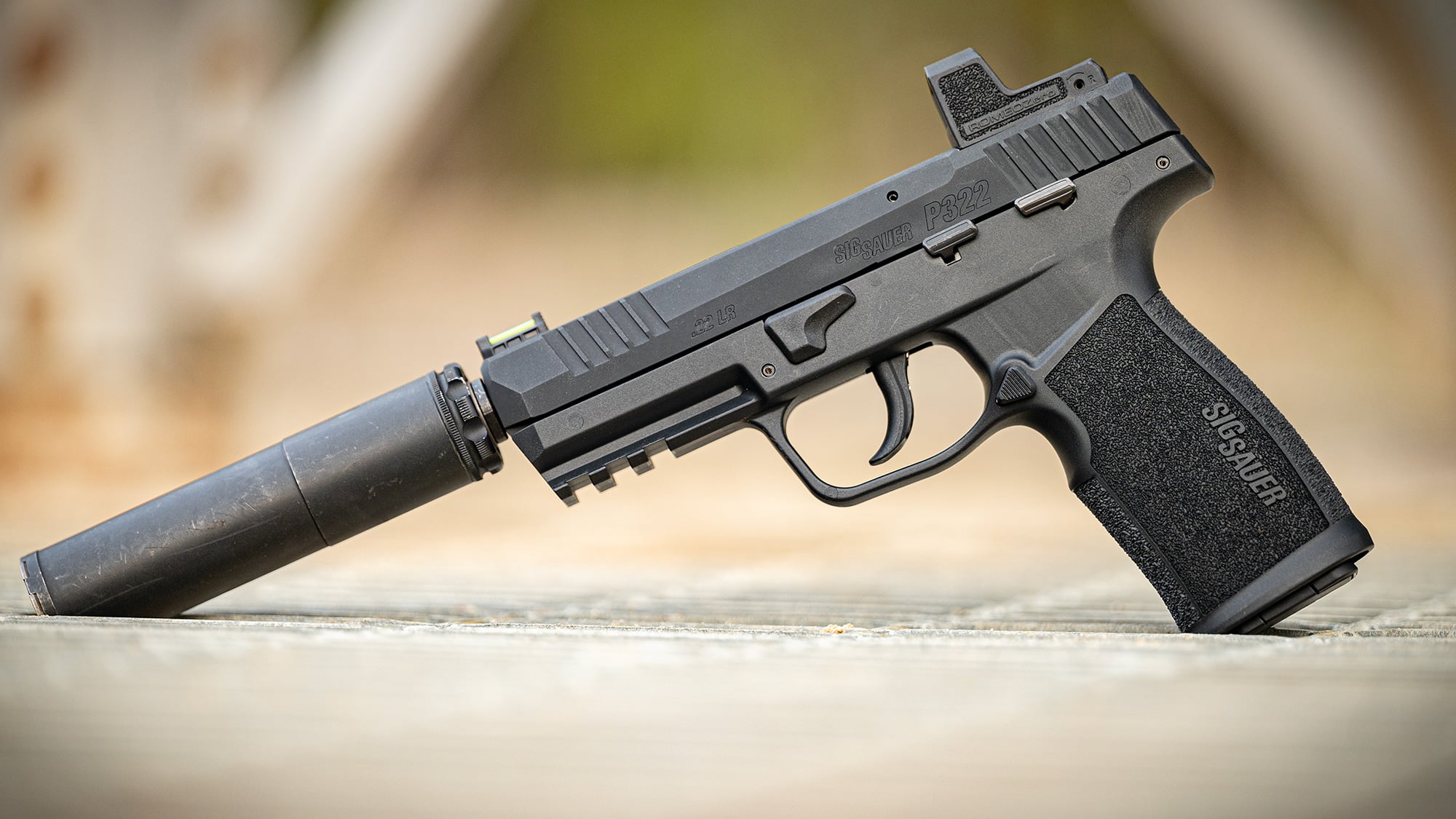
In a perfect world, there would be a concrete number that everyone could agree on regarding rounds fired before a suppressor needs cleaning. However, the reality is different; it depends on the type of bullet and cartridge used. For instance, rimfire suppressors tend to build up carbon fouling much faster than a 5.56mm suppressor.
This is for a combination of reasons. First, nearly all .22 LR ammunition uses a lead projectile. This exposed lead builds up and deposits extra crude inside the body of a suppressor faster than a jacketed bullet.
Also, the relatively low pressure of .22LR means that carbon and lead build-up in the suppressor body isn’t blasted away with subsequent shots. Instead, the carbon and lead will continue to collect inside the suppressor’s body. As I mentioned earlier, this leads to excessive weight and reduced performance. And neglecting to clean your suppressor can shorten its lifespan substantially.
What is the Lifespan of a Silencer?
Which brings us to another quick tidbit most people get wrong. In movies and video games, we see that suppressors wear out after only a few magazines. I grew up believing this was true as a young lad playing Metal Gear Solid, and after examining a suppressor in real life was baffled (get it?) why writers thought this was a thing - until I did some research.
While modern metal baffles can last beyond 30,000 rounds, older suppressor designs often used rubber or leather baffles. What’s interesting is that these baffles are actually very effective at dampening the sound signature of a gunshot. They fell out of favor due to their longevity and legal concerns.
After you shoot enough holes through something, it loses structural integrity and becomes useless as a baffle. These older designs were meant for the shooter to swap out small rubber discs or leather discs whenever worn out. And given these objects' small, soft, pliable nature, a soldier or special forces operator could store a few dozen of these on their person without much impact.
Civilian shooters stopped using these types of baffles because the ATF reclassified replacements as restricted suppressor components. Thus, a shooter must get a new tax stamp for every pack of baffles they purchase But back to cleaning.
What is the Best Tool For Cleaning a Suppressor?
Obviously, it depends on the suppressor, but a copper cleaning brush used for cleaning barrels is a great tool for most. When selecting a cleaning brush for your suppressor, you’ll need to ensure that it has metallic abrasive bristles because you’re not just wiping oil or grease from your suppressor; you’re scrubbing caked-on carbon.
I would heavily advise against using a mechanical tool to speed this process up unless you just can’t make any progress getting stubborn carbon off your baffles. So while it’s tempting to put a shotgun bore brush in a Dremel and crank it to eleven, resist the urge so you don’t damage your can. If you must use one, try to stick with brass or copper bristles as they won’t damage any steel components inside your suppressor.
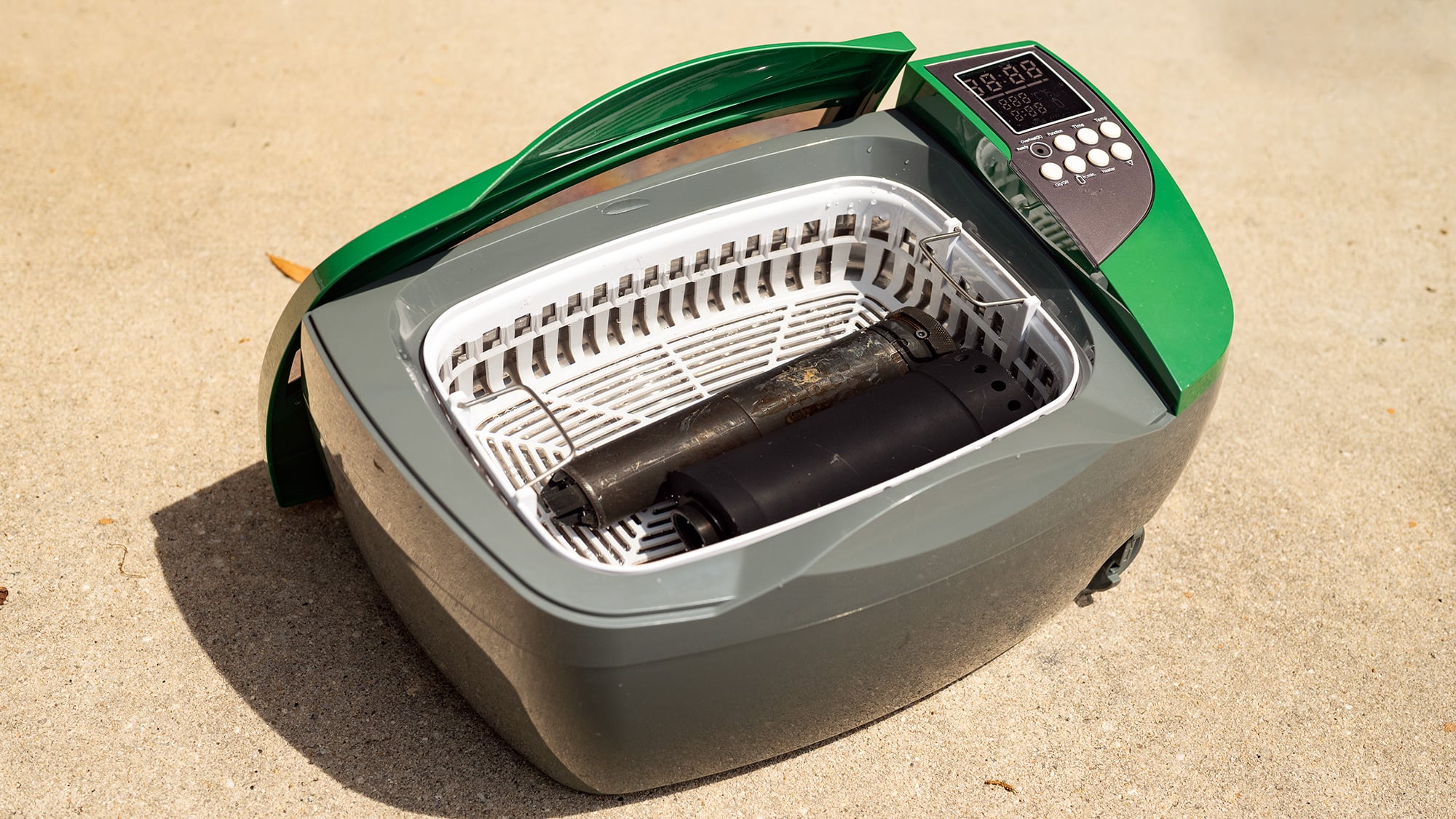
Alternatively, if your suppressor can handle it, I would return to our earlier recommendation of utilizing a sonic cleaner. While it only saves an hour or so, you don't have to be next to the device while it's being cleaned. If I'm doing a complete cleaning of my suppressor and host firearm, I'll toss the suppressor in my sonic cleaner while I hand clean the weapon. This is especially helpful if you're out at a training class and are arriving back at a hotel late at night and barely have the energy to keep your eyes open, let alone scrub a can for two hours.
Other Preventive Maintenance Tips
While the vast majority of preserving your suppressor consists of simply keeping it reasonably clean, a shooter can take a few additional steps to ensure their suppressor outlives them. Two things in particular have helped me avoid any catastrophic failures on my cans.
First, don’t just clean the suppressor; clean the mounting surface of the muzzle or muzzle device. Tiny grains of dirt or bits of carbon can build up on the muzzle threads over time, and these could potentially cause a misalignment of your bore with the suppressor’s bore. If this happens, you will almost certainly get a baffle strike and likely destroy your suppressor. So if you remove your suppressor from these threads often, take a few minutes, scrub them with a copper brush, and oil them afterwards to prevent carbon from building up and adhering to them.
Secondly, the alignment of new host firearms must be checked. It’s very easy to get carried away when a new suppressor arrives, mount it on a gun, and head to the range. But if you’ve never tried the firearm/suppressor host you’re about to use, check the bore alignment beforehand. Ideally with an alignment rod, but at the very least shine a flashlight into the open, clear action, and visually check through the business end of the mounted suppressor.
Also, don’t forget to do a basic “idiot check.” Look at where the suppressor mounts to the gun. Does it look fully seated? Is it tightened to recommended specifications or just hand-tightened?
Takeaway
In the end, suppressor maintenance doesn’t have to be a chore—as long as you know what you’re working with and take the right approach. Understanding the materials, knowing whether your can is user-serviceable, and cleaning it at the right intervals will go a long way in keeping it reliable and safe.
Throw in some preventive maintenance like cleaning your muzzle threads and checking alignment, and you’re well on your way to a suppressor that’ll last for tens of thousands of rounds. A little bit of care now can save you a lot of hassle (and money) down the road. So give your can the TLC it deserves, and it’ll keep your shooting quiet and smooth for years to come.

